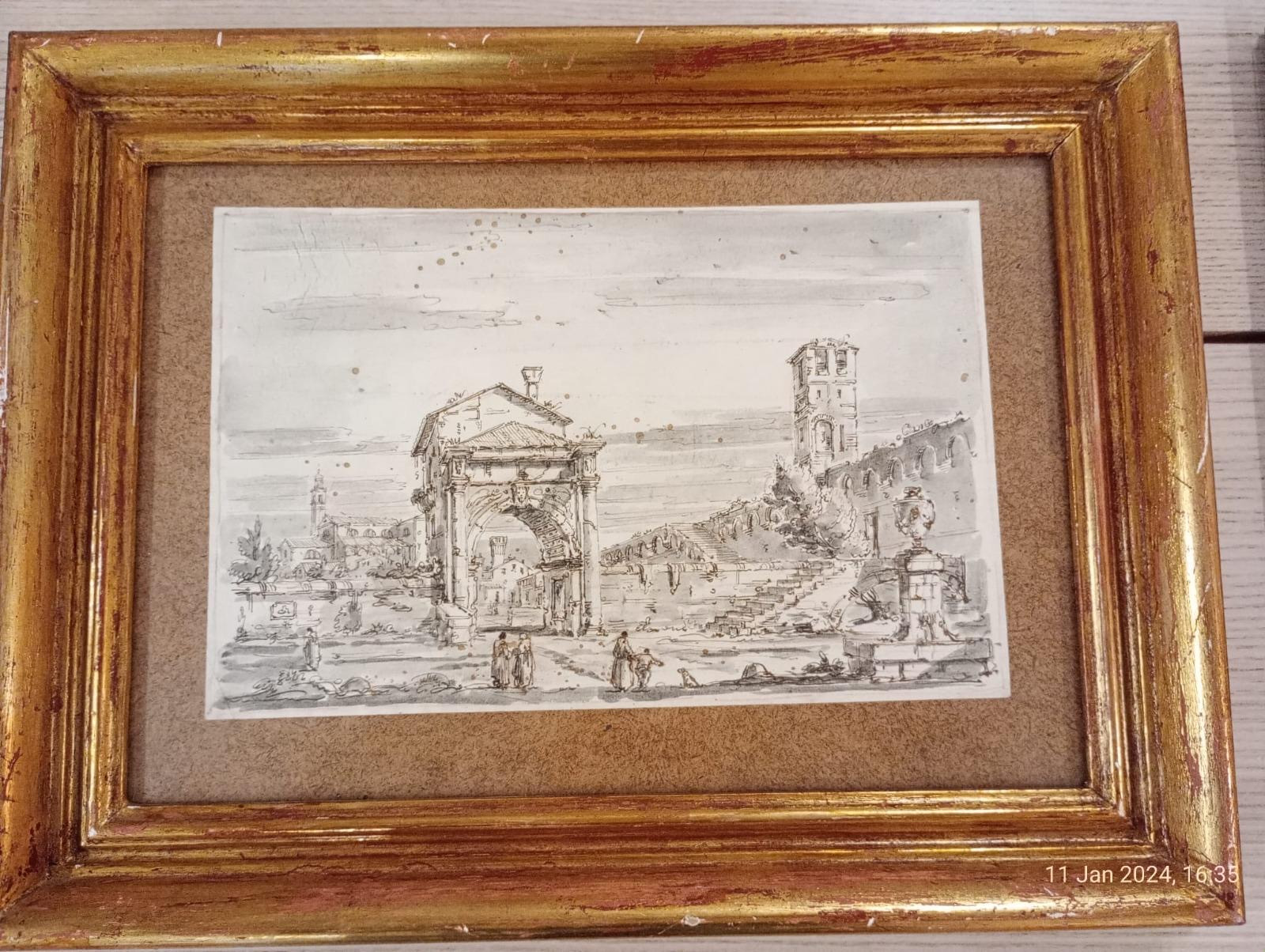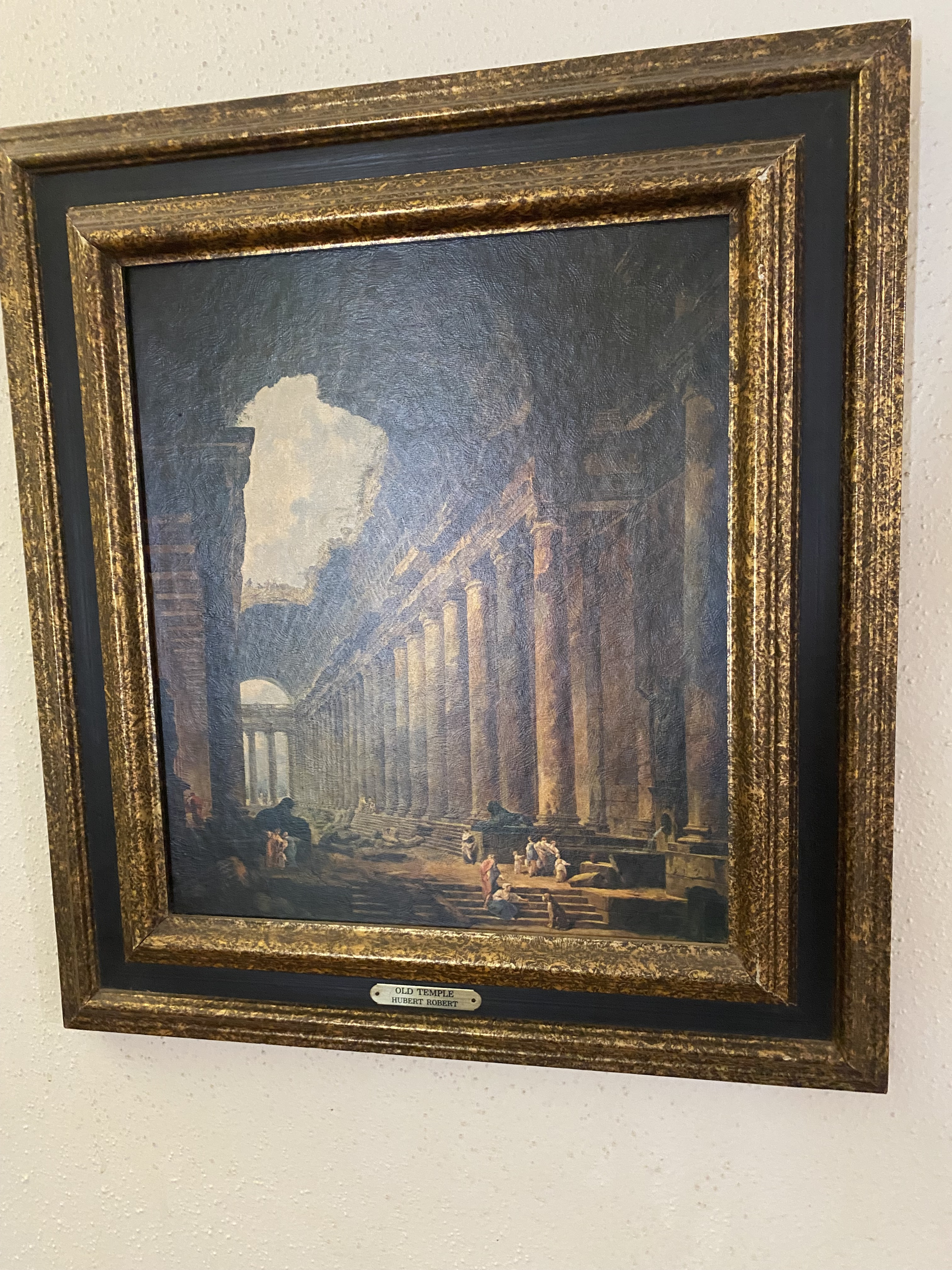
18th century Italian ink and wash drawing on laid paper depicting a capriccio (architectural fantasy) with Roman ruins

Description

Hello, any idea what artist draw it, please?

What is it worth?

Category Paintings
Condition Good
Date Period 18th
Collectors with this item
⚠️ You have 1 free appraisal left today Upgrade for 15-30/day →
Want more from your appraisals?

Upgrade for PDF reports, more daily appraisals, and ad-free experience.

View Plans →

Collector Discussion

Do you recognize this piece? Collectors often identify maker marks, share comparable sales, or suggest additional research steps.

C
Charley 📚 Apprentice 1 year ago

Description:

This piece appears to be an 18th-century Italian architectural drawing, executed in ink and wash on laid paper. It depicts a capriccio, an artistic style that combines imaginary and real architectural elements. The scene includes Roman ruins, such as arches, columns, and staircases, with figures adding a sense of scale and narrative.

Artistic Context:

  • Capriccio Drawings: These works were particularly popular in 18th-century Italy, showcasing fantastical or romanticized views of ruins. Artists like Giovanni Battista Piranesi and his contemporaries were famous for such depictions.
  • Medium: The use of ink and wash on laid paper is typical of this period, allowing for detailed architectural elements and tonal depth.
  • Gilded Frame: The frame is consistent with historical works, possibly added later to preserve the piece and enhance its display value.

Condition:

  • Drawing: The paper shows foxing (brown spots from age), which is common in antique works and does not significantly detract from value unless it obscures key details.
  • Frame: The gilded frame is in fair condition, with visible wear and scratches, but it complements the piece's historical aesthetic.

Potential Attribution:

While the artist is not identified, the style suggests it may belong to the school of Piranesi or a similar 18th-century Italian artist specializing in capriccio or architectural fantasy. The detail and execution suggest a skilled hand, potentially from a prominent workshop.

Current Value:

The value depends on the confirmed attribution, rarity, and market demand for 18th-century capriccio drawings.

  • If by a known artist (e.g., Piranesi): $5,000–$15,000 USD.
  • Attributed to an unknown or lesser-known artist: $1,000–$3,000 USD.

Recommendations for Professional Appraisal:

To accurately determine the artist and value:

  1. Seek Authentication:
    • Contact auction houses specializing in Old Masters and architectural drawings, such as Christie’s, Sotheby’s, or Bonhams.
    • Consult experts in Italian 18th-century art or museums with collections of similar works.
  2. Examine Provenance:
    • Research the artwork’s history and any associated documentation that may confirm its origin or previous ownership.

Care and Preservation:

  • Avoid direct sunlight to prevent further fading and deterioration.
  • Consider professional cleaning and conservation to address foxing while preserving the paper's integrity.

Have another item you're curious about?

Collectors often evaluate multiple items from the same collection, estate, or find.

📸 Quick Scan
Garage-Sale Mode Fast appraisals on the go