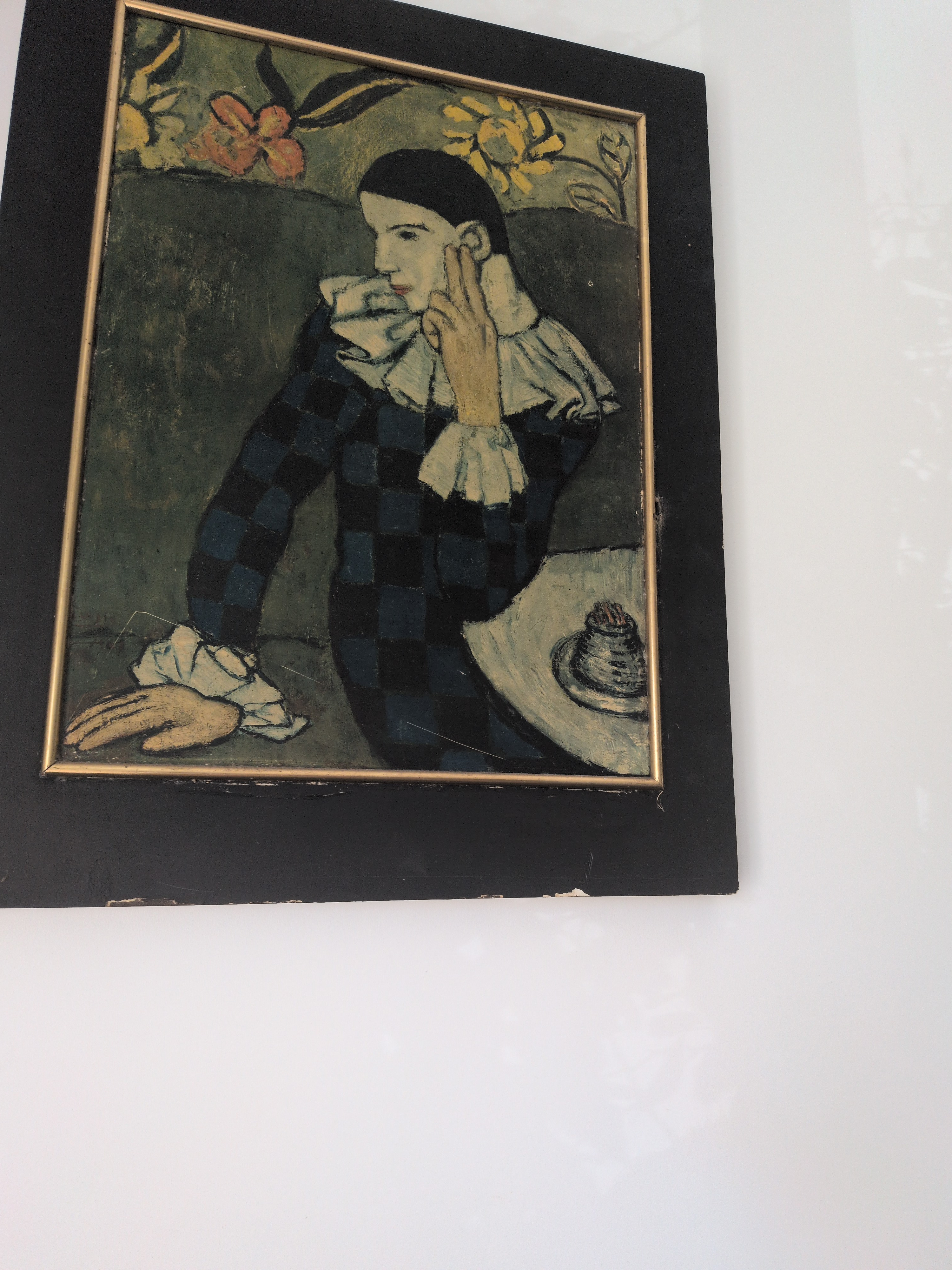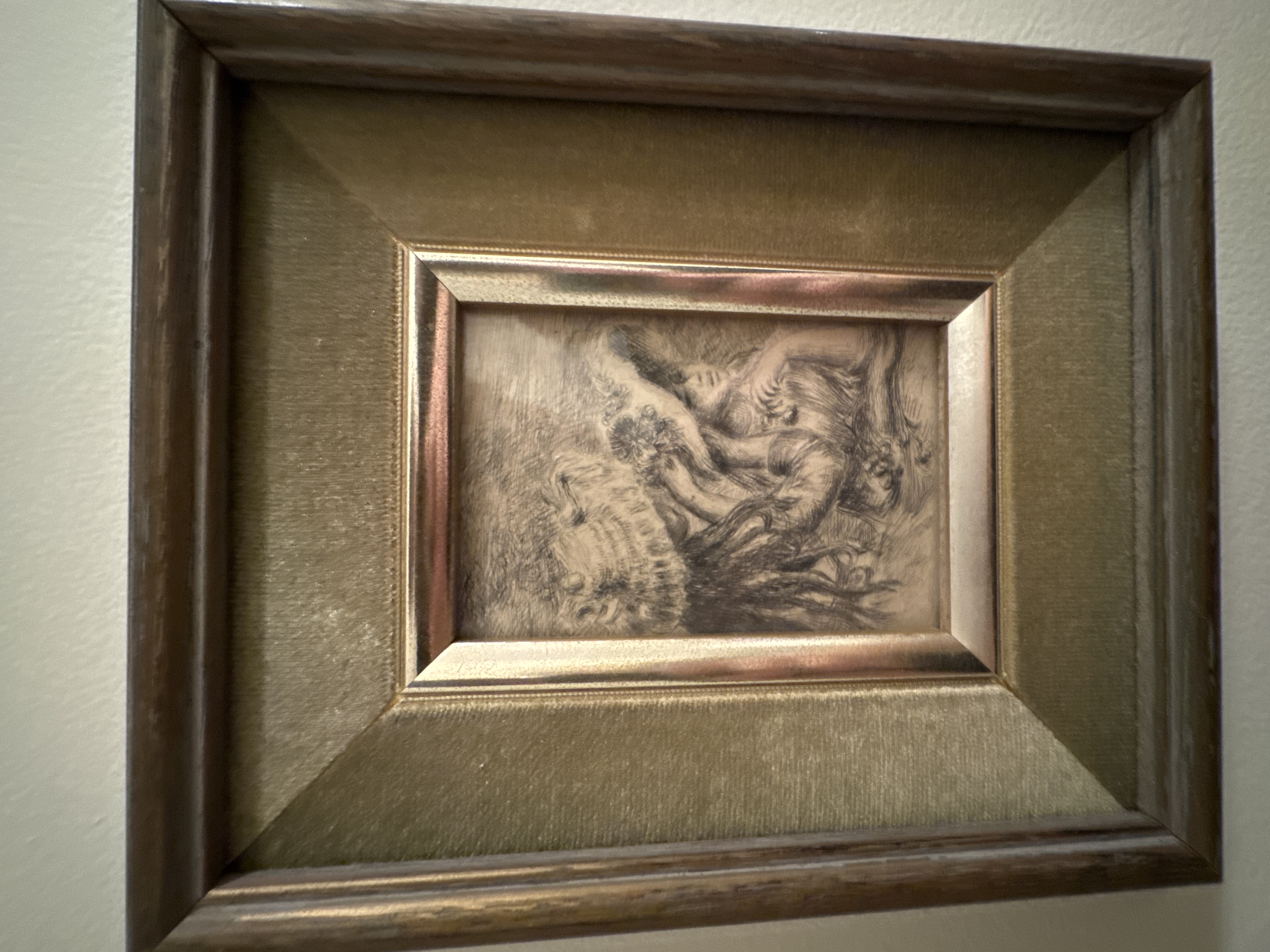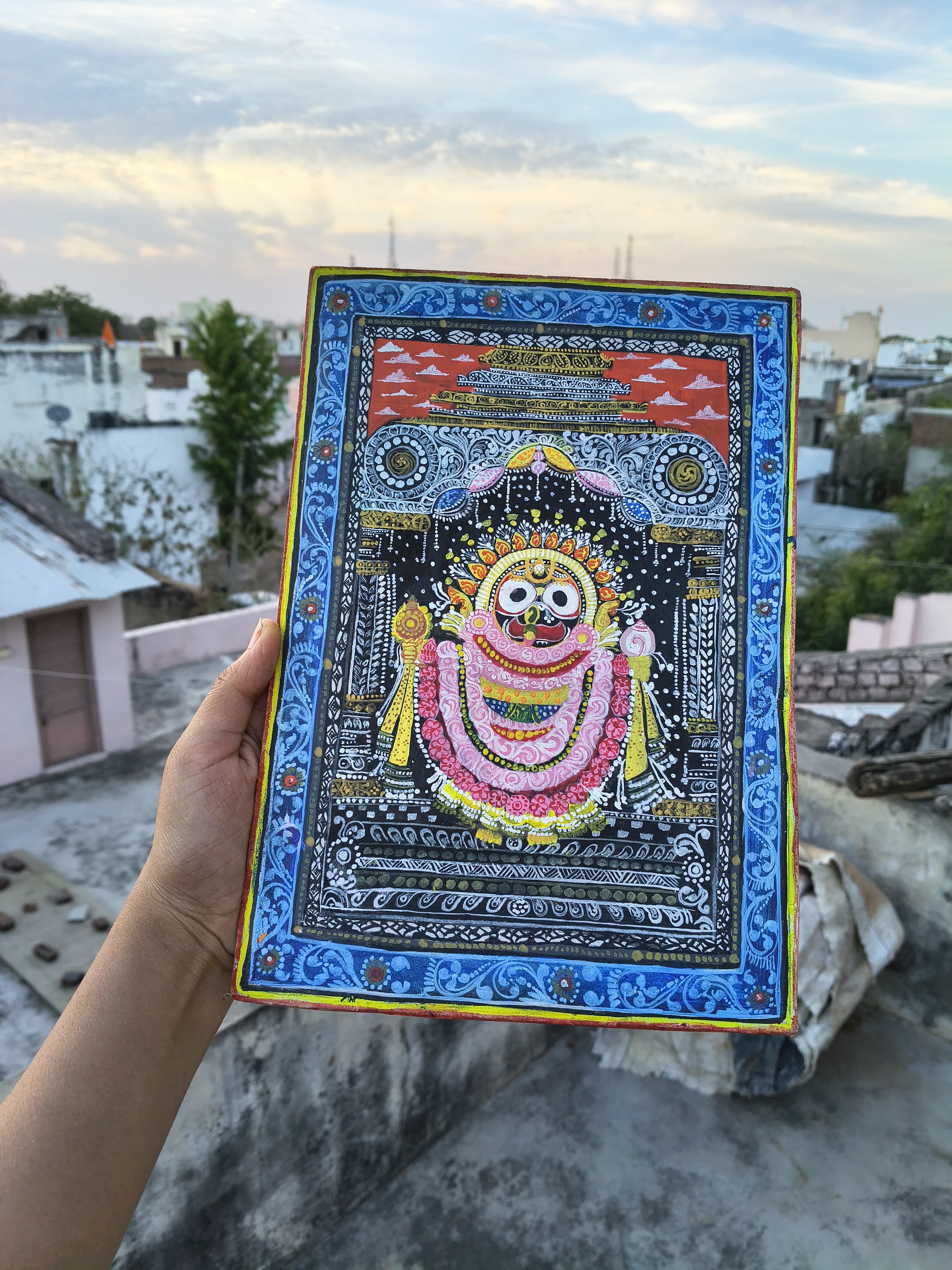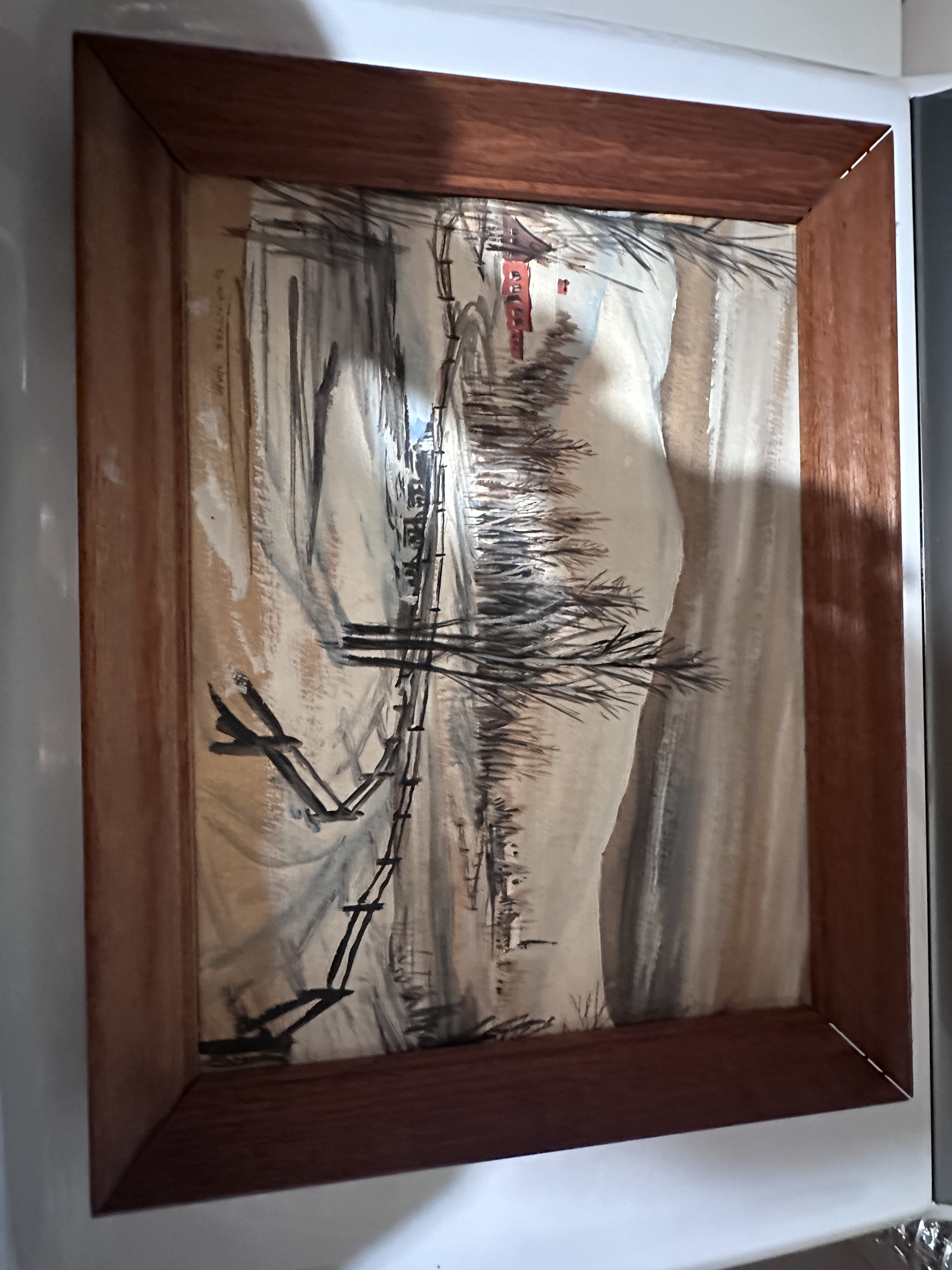
Alexandre Serebriakoff - Palazzo Labia - Bal Masque - year 1951.

mladenslo
1 year ago
AI Appraisal
Description

Alexandre Serebriakoff, watercolour painting, PALAZZO LABIA, Venice - BAL MASQUÉ - year 1951. During a fancy dress party, in 1951 by Charles de Beistegui in Palazzo Labia

Palazzo Labia:
It is certainly one of the most beautiful and intact Baroque palaces in Venice. Nestled between the Rio de Cannaregio, the ancient canal of merchant trade that led to the north, and the Grand Canal that brought everywhere. Land gate in the field of San Geremia, or three minutes from the railway station.

Category Fine Art
Medium Alexandre Serebriakoff, watercolour painting. Palazzo Labia, Venice, fancy dress party, in 1951 by Charles de Beistegui.
Distinguishing marks Alexandre Serebriakoff
Condition Excellent
Size and dimensions of this item 38x49 cms
Date Period 1951
History Painting was part of collection ordered for Charles de Beistegui, to be placed at his home, The Chateau de Groussay, within 50 kms of Paris was built in 1815 by the Duchess of Charost, the daughter of Madame de Tourzel, governess to the children of King Louis XVI and Marie Antoinette.

Bought in 1938 by Charles de Beistegui, aesthetic inspired, Groussay expanded in 1952 with two wings, one of which led to the theater and "Folies" designed with the help of artist Emilio Terry and Alexandre Serebriakoff.
⚠️ You have 1 free appraisal left today Upgrade for 15-30/day →
Want more from your appraisals?

Upgrade for PDF reports, more daily appraisals, and ad-free experience.

View Plans →

Submitted by NaidaTheCollector

Alexandre Serebriakoff Watercolor – Palazzo Labia, Venice – Bal Masqué, 1951

Description

This exquisite watercolor painting by Alexandre Serebriakoff captures the grandeur of the Bal Masqué hosted by Charles de Beistegui in Palazzo Labia, Venice, in 1951. The scene is alive with elegance, depicting the opulence of Venetian baroque architecture and the luxurious costumes of the guests, reflecting the spirit of one of the most famous masked balls of the 20th century. The ornate detailing, including the central chandelier, intricate tapestries, and the meticulously rendered attendees, exemplifies Serebriakoff’s precision and his mastery of architectural and decorative scenes.

Artist: Alexandre Serebriakoff

Serebriakoff (1907–1994) was a Russian-French painter renowned for his detailed depictions of interiors, architecture, and aristocratic settings. His work is celebrated for its technical brilliance and historical accuracy, often commissioned by affluent patrons such as Charles de Beistegui. Paintings such as this capture the artist’s ability to combine realism with a sense of historical grandeur, making his works highly collectible among fine art enthusiasts.

Historical Context

The painting illustrates the famed Bal Masqué, an extravagant fancy dress party held by Charles de Beistegui in 1951 at the Palazzo Labia. De Beistegui, known as the "Count of Monte Cristo" for his opulent lifestyle, transformed this event into a legendary spectacle attended by social elites, including Salvador Dalí and Christian Dior.

Palazzo Labia itself is one of Venice's most important Baroque palaces, built in the late 17th to early 18th centuries. The setting, with its majestic interior frescoed by Giambattista Tiepolo, enhances the historical and cultural significance of this artwork.

The painting’s provenance connects it to Château de Groussay, the luxurious estate of de Beistegui in France, which he embellished to rival the grandeur of European aristocratic residences. Serebriakoff’s works were central to documenting the aesthetic and cultural vision of de Beistegui’s projects.

Condition

The painting is described as being in excellent condition, with no visible damage or discoloration. It appears to have been well-preserved, likely in a controlled environment, which adds to its value.

Provenance

This piece is part of a collection commissioned by Charles de Beistegui. The connection to de Beistegui’s estate and its origins at Château de Groussay adds significant historical and collectible value.

Dimensions

  • Size: 38 x 49 cm (approximately 15 x 19.3 inches)

Authenticity and Appraisal

To confirm the authenticity of this artwork and determine its precise value, an in-person appraisal by a qualified art expert or appraiser is essential. The expert would:

  1. Examine the Signature: Compare the signature to verified examples of Warner’s work.
  2. Analyze the Medium: Confirm the watercolor medium and assess whether the painting is an original or a print.
  3. Review Provenance: Trace the artwork’s history of ownership for additional context.
  4. Assess Rarity: Determine whether this watercolor corresponds to known works by Warner or represents a unique addition to her oeuvre.

Without in-person evaluation, definitive attribution and valuation cannot be guaranteed.

Market Value

The current market for Alexandre Serebriakoff’s works is strong, given his reputation as a specialist in interior and architectural scenes and the historical importance of his subjects. Factors contributing to its value:

  1. Artist: Serebriakoff’s name commands significant attention in auctions, especially for works tied to aristocratic or historical events.
  2. Historical Significance: The association with the Palazzo Labia and the de Beistegui Ball enhances its collectible appeal.
  3. Condition and Provenance: Excellent preservation and connection to a renowned patron like de Beistegui increase its desirability.

Estimated Value: $8,000–$12,000 USD
This range reflects current trends in the art market for similar works by Serebriakoff, especially pieces tied to historically significant events or patrons.

Recommendations for Sale

To maximize its sale potential:

  • Auction: Consider high-end auction houses specializing in fine art, such as Sotheby’s or Christie’s, which have experience handling works tied to significant historical patrons.
  • Private Collectors: Reach out to collectors specializing in Venetian art, 20th-century aristocratic culture, or Serebriakoff’s works.
  • Gallery Representation: Present the piece to galleries focused on historical European or architectural art.

Conclusion

This painting is a fine example of Alexandre Serebriakoff’s work, embodying the elegance of mid-20th-century aristocratic culture and the artistic grandeur of Venice. Its historical significance, excellent condition, and prestigious provenance position it as a highly desirable piece for collectors of fine art and historical memorabilia. If you need resources for that just let me know.

📸 Quick Scan
Garage-Sale Mode Fast appraisals on the go