This appraisal is provided for informational and educational purposes only and does not constitute a certified, licensed, or formal appraisal.
Appraisal results are generated using automated systems, including artificial intelligence, and are based solely on the information and images submitted by the user, along with publicly available data. As such, results may contain inaccuracies, omissions, or errors.
InstAppraisal does not authenticate items. No determination of authenticity, origin, materials, maker, or age should be considered verified. Many items—particularly luxury goods, watches, jewelry, coins, art, and designer products—are frequently counterfeited and may closely resemble genuine examples. Authenticity cannot be confirmed from images alone.
Any statements regarding authenticity are expressions of opinion only and should not be relied upon as fact. Independent professional authentication is strongly recommended before any purchase, sale, or valuation decision.
Appraisal values are estimates only and may vary significantly based on condition, provenance, market demand, and additional information not available at the time of review.
Appraisals must not be relied upon for insurance, legal, tax, estate, or financial purposes without independent professional verification.
InstAppraisal disclaims all liability for any losses, damages, or disputes arising from reliance on this appraisal, including transactions conducted based on the information provided.
By using this service, you acknowledge and agree that you assume all risk associated with reliance on appraisal results.
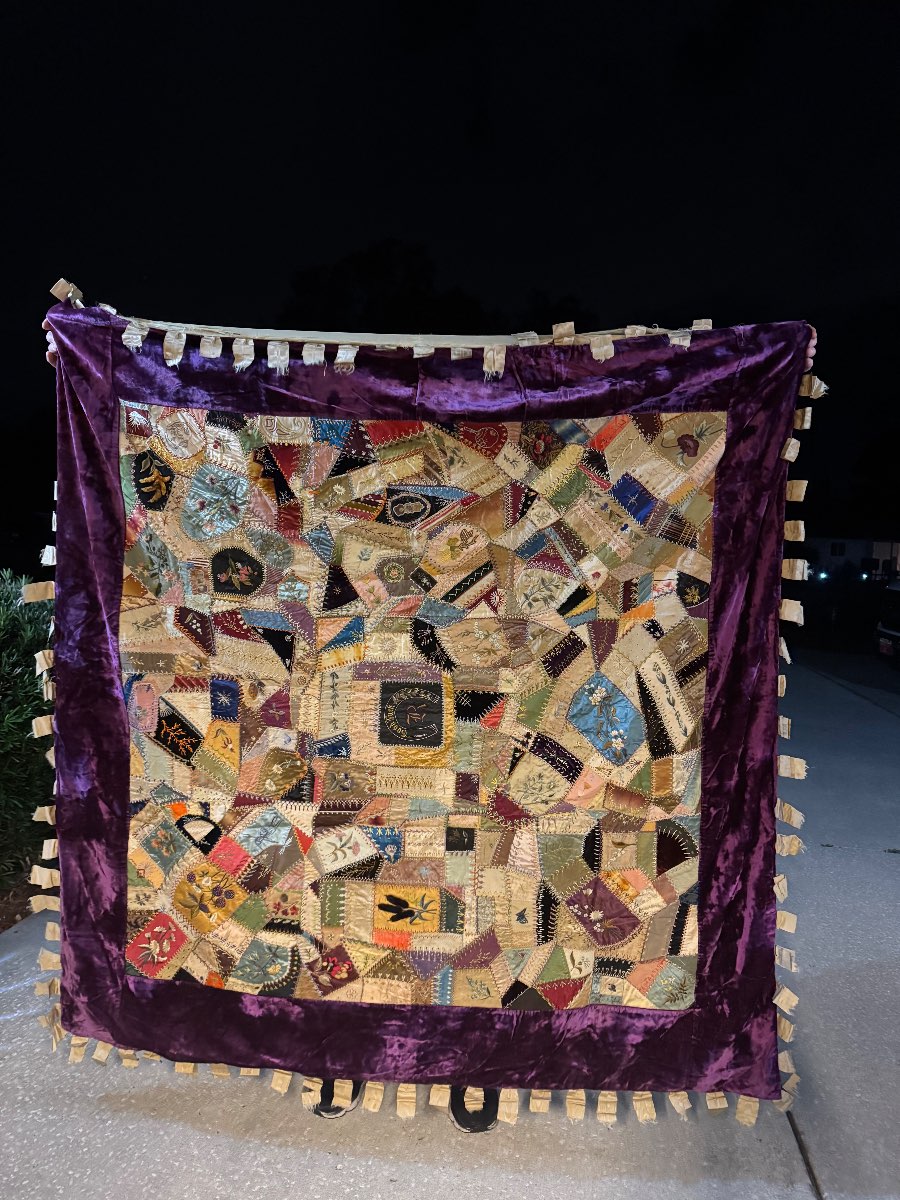
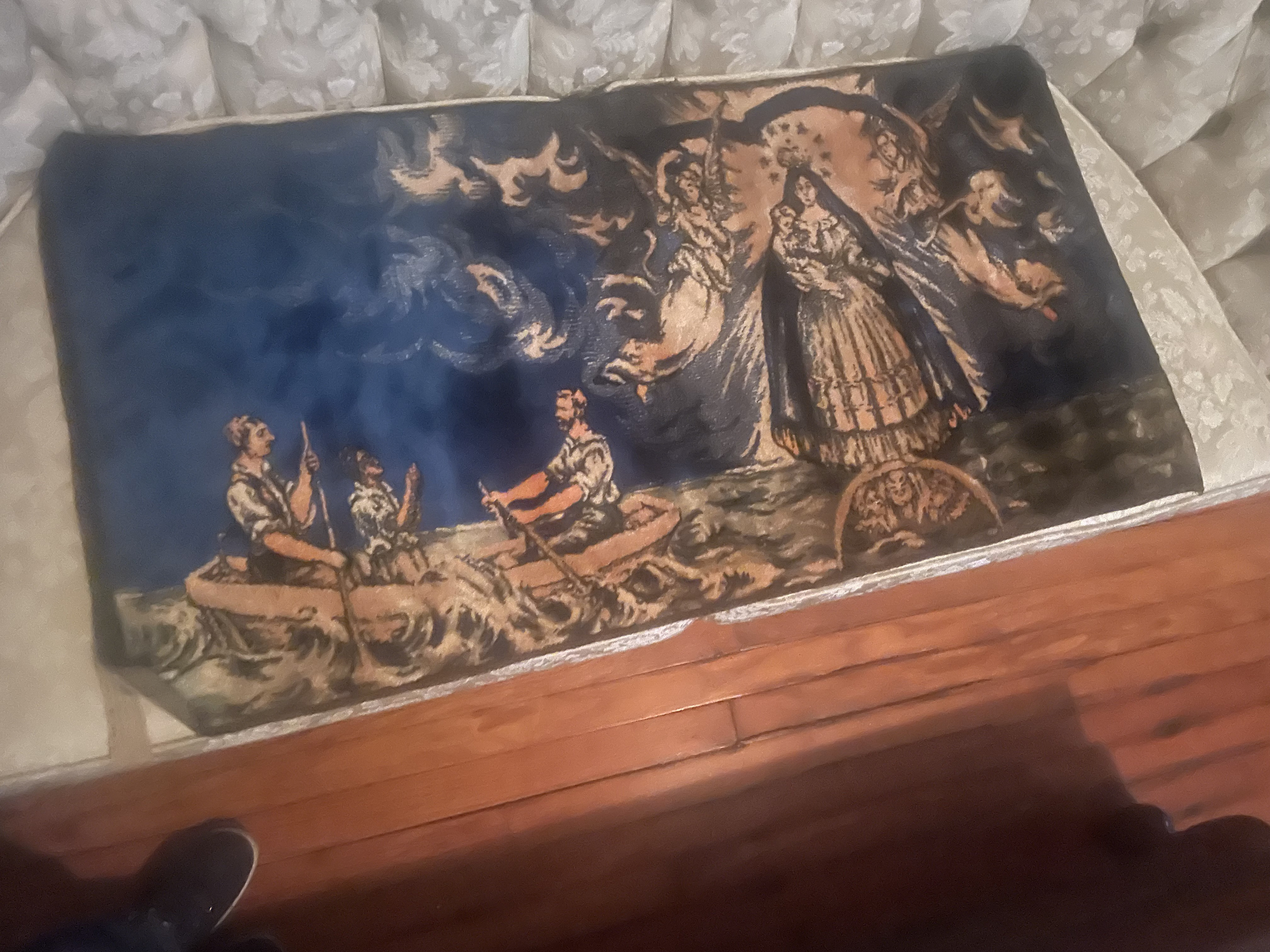
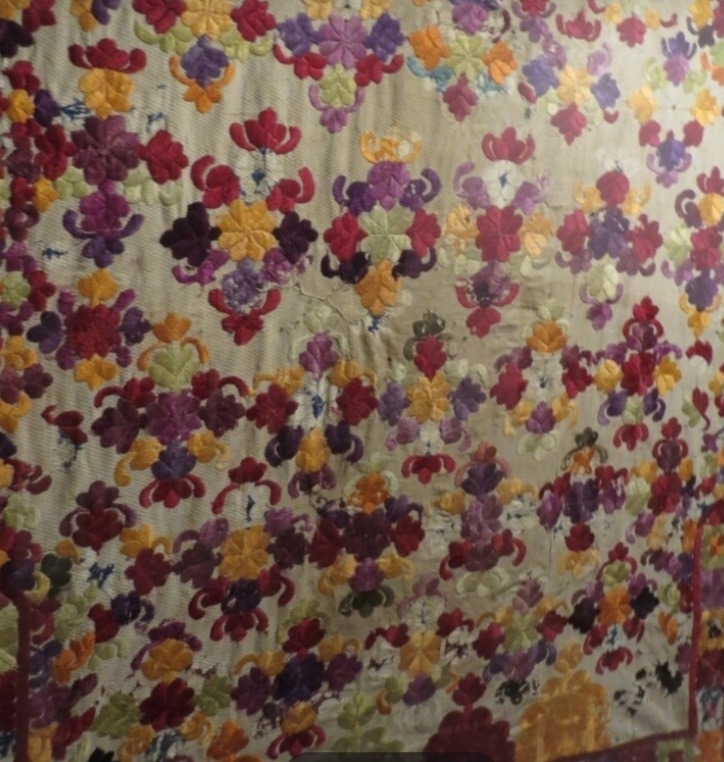
Re: Antique possible Victorian/ Tapestry wall hanging
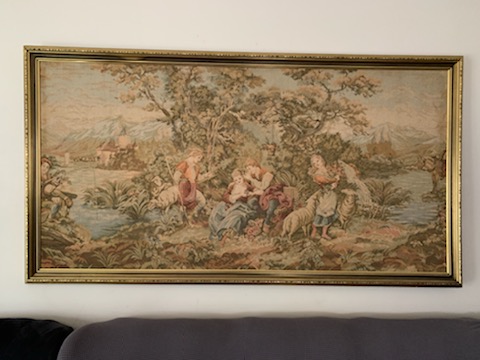
Most of these tapestries look older than they really are, depicting the work of well known 18th Century artists or depicted scenes from legends heightening this effect. Very few of this type predate 1900, examples like this tend to postdate 1925. By the beginning of the 20th Century technology had advanced sufficiently to enable machines to create tapestries. There followed a vogue for such pieces and large numbers were made in classic styles. Most of these were made in muted colors to achieve the effect of age. Factories for these tapestries were usually located around Paris and in Northern France (or Belgium). Sometimes manufacturers labels were attached but if this is missing it is impossible to determine a maker.