Old Chinese Pillow

J
1 year ago
AI Appraisal
Description

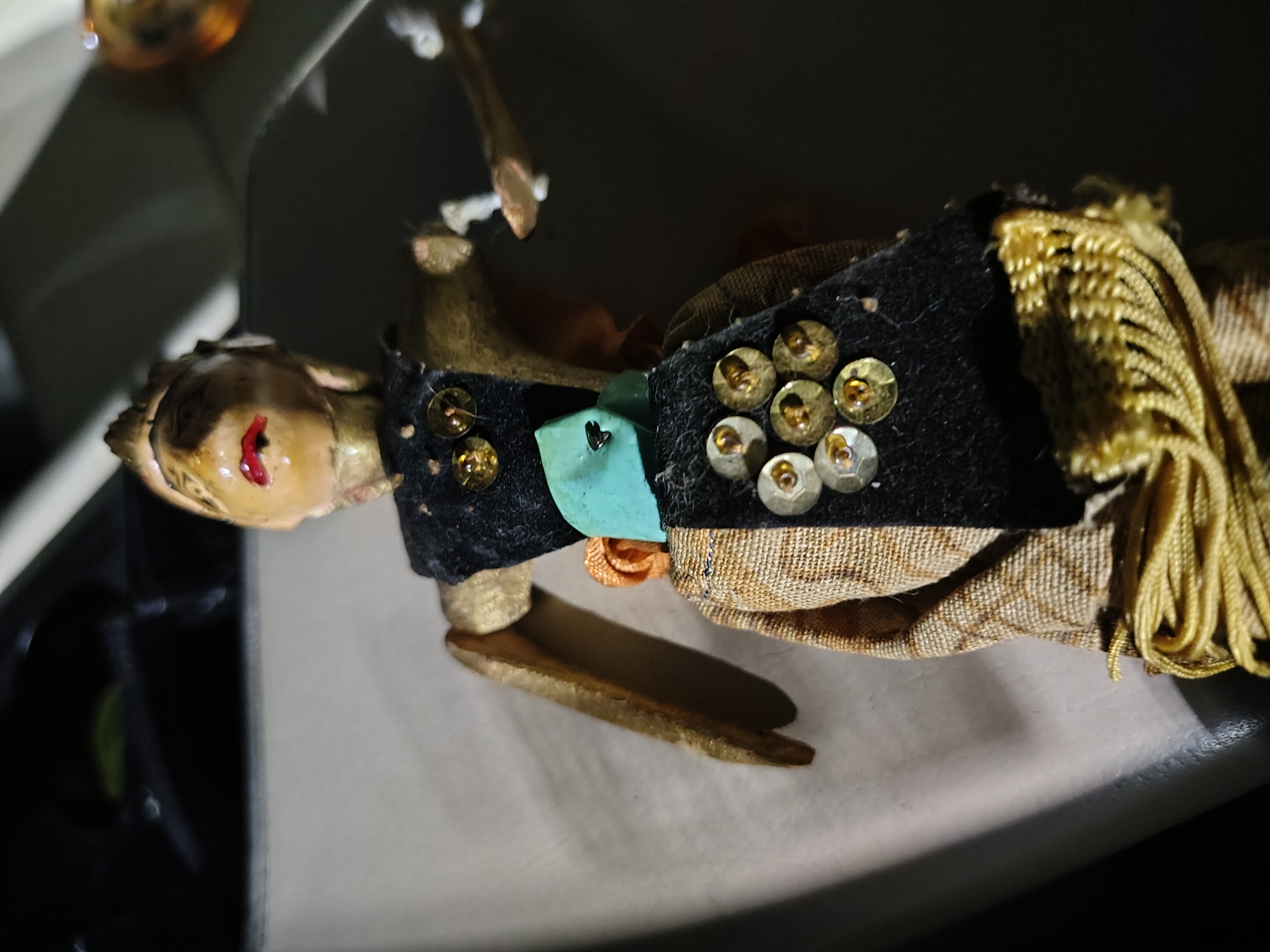
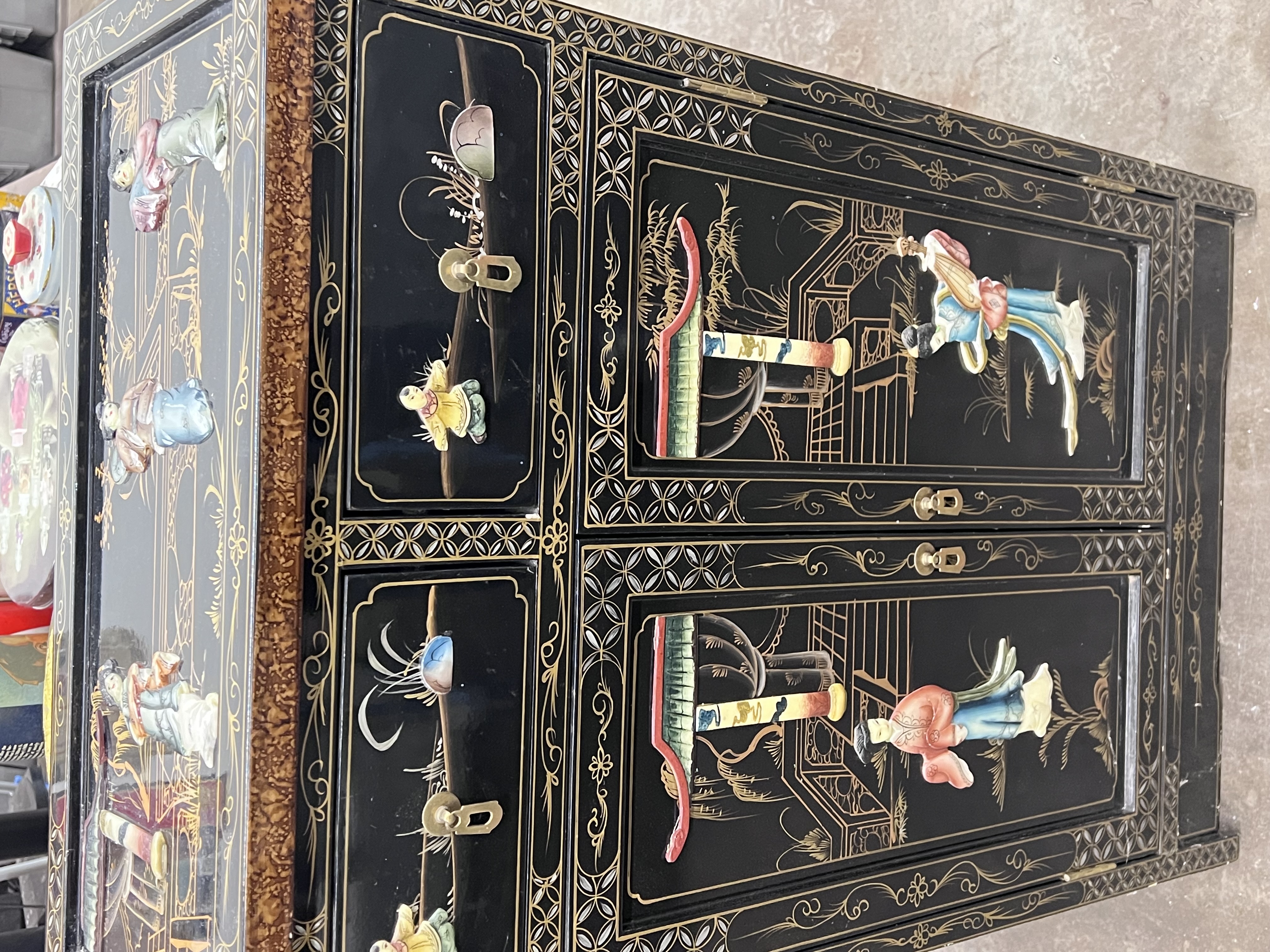
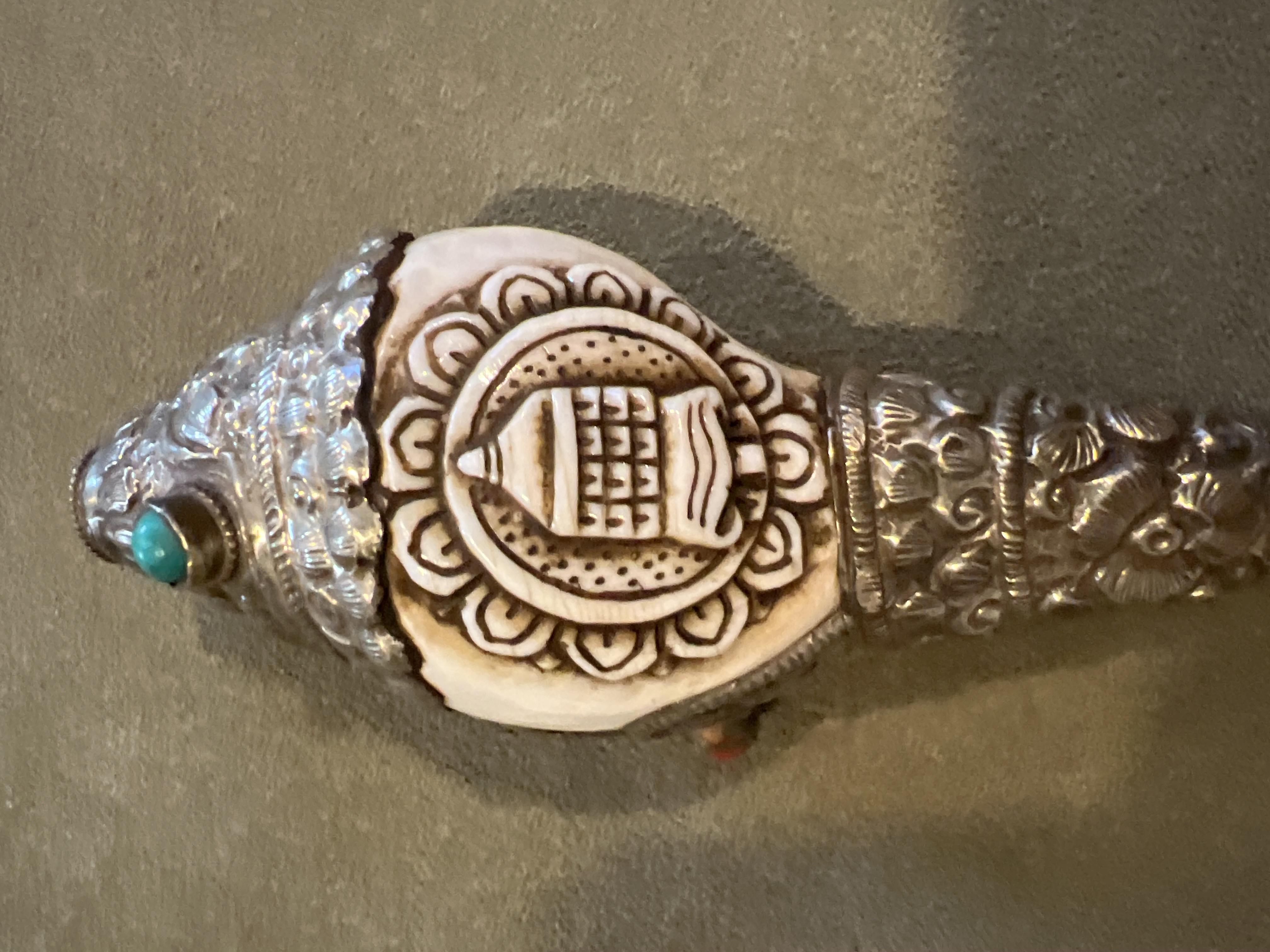
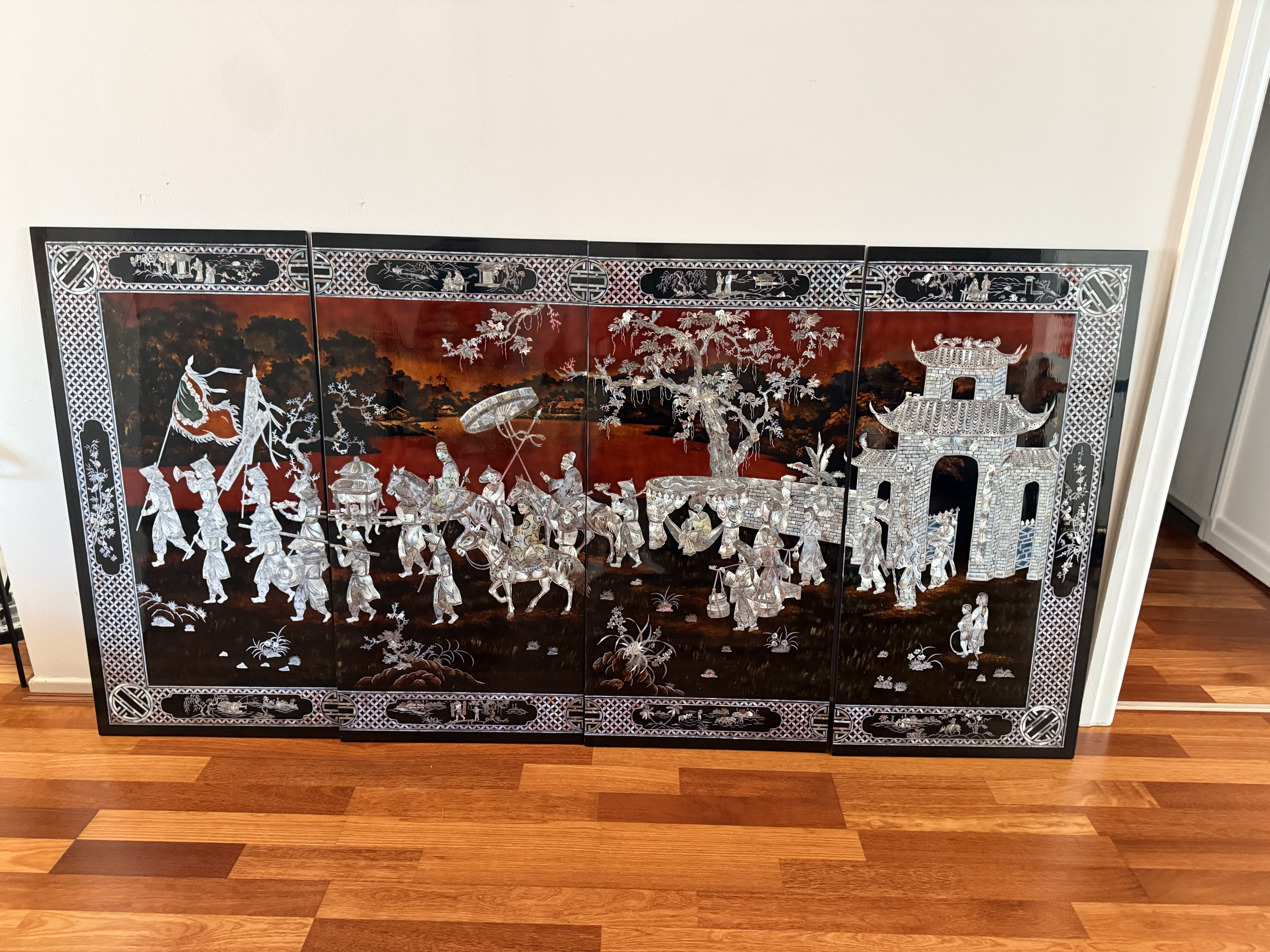
According to the seller this is a Old Chinese pillow. But I can't find any similar objects when I google it. Typically old Chinese pillow are ceramic. The material of this object confuses me. According to the seller it is made of stone, yet it has like rust in its appearance. Also, when I peeled a tape of it packaging, underneath it shows white.  

Category China
Medium Not sure
Distinguishing marks Dragon
Condition Good
Size and dimensions of this item more than 10.8 inches in length, 4 inches width, and height is 3 inches
Date Period Unknown
⚠️ You have 1 free appraisal left today Upgrade for 15-30/day →
Want more from your appraisals?

Upgrade for PDF reports, more daily appraisals, and ad-free experience.

View Plans →

Submitted by Charley

Item Identification

  • Category: Chinese Antiquities
  • Item Type: Potentially decorative object resembling an "old Chinese pillow"
  • Material: Uncertain (stone-like but shows rust-like patina and a white layer beneath, suggesting composite material, painted ceramic, or cast iron with corrosion)
  • Design:
    • Features dragons and floral scrollwork patterns.
    • Rounded rectangular shape.
    • Hollow interior.
  • Dimensions:
    • Length: 10.8+ inches
    • Width: 4 inches
    • Height: 3 inches
  • Condition: Good, with a weathered, aged appearance.

Description

The item presented is described as an "Old Chinese pillow", but it differs significantly from traditional Chinese ceramic pillows, which were primarily crafted from porcelain, celadon, or other ceramic materials during the Tang (618–907 CE) to Qing dynasties (1644–1912 CE).

  • Material: The rust-like patina indicates a metallic component, possibly iron, though the white layer beneath suggests it could be a painted or composite material (e.g., stoneware with a coating or metal with oxidation).
  • Design:
    • The dragon motif is a traditional symbol in Chinese art, representing power, strength, and protection.
    • The overall carved style aligns with Ming or Qing-inspired decorative art.

Historical Context

  • Chinese Pillows: Historically, Chinese pillows were made from materials such as ceramic, wood, or jade. Ceramic pillows were especially common during the Song and Tang dynasties and often decorated with motifs like dragons, flowers, or calligraphy.
  • Metal/Stone Imitations: In modern history, reproduction art has gained popularity, particularly in the 20th century. Items resembling antique objects are often crafted using mixed materials or modern techniques, including casting with patina finishes to replicate aging.
  • Rust and White Layer:
    • If rust is genuine, the object could include cast iron or another oxidizing metal.
    • The white layer suggests potential use of resin-based or plaster materials, indicative of reproductions.

Analysis and Likely Origin

Based on the photographs and description:

  1. Aesthetic Appeal: The dragon motif and intricate designs are consistent with traditional Chinese art, though the object’s material and overall execution suggest it may not be a true antique.
  2. Material Ambiguity: The presence of rust and white underlayer raises doubts about authenticity as stone or solid iron.
  3. Possible Reproduction: Given the modern production of antique-style decorative objects, this piece is likely a mid-to-late 20th-century reproduction intended for decorative purposes.

Market Value

Factors Influencing Value:
  • Authenticity: The material inconsistency reduces the likelihood that this is an original Chinese antique pillow.
  • Condition: While good overall, the aging patina and signs of wear add to its decorative appeal.
  • Reproductions: Decorative reproductions with dragon motifs and aged finishes are common in markets today.
Comparable Items:
  • Decorative reproduction "antique-style" Chinese pillows or carved metal objects typically range between $50 to $150 USD, depending on size, material, and aesthetic quality.
  • Genuine Chinese ceramic pillows from historical dynasties can fetch $1,000 to $10,000+ USD, depending on age, condition, and provenance.

Estimated Current Value

  • Decorative Reproduction Value: $75 - $125 USD
  • Potential Authenticity Check: To confirm its material and possible historical origin, an in-person evaluation by a professional appraiser or materials expert is strongly recommended.

Conclusion

This object is an intriguing decorative piece inspired by traditional Chinese art. While its design resembles historical Chinese pillows, inconsistencies in material and appearance suggest it is likely a modern reproduction. If authenticity is a concern, further analysis by a qualified appraiser or material specialist would be required to determine its true nature and value.

📸 Quick Scan
Garage-Sale Mode Fast appraisals on the go