Opal Edged, Orange-base Carnival Glass Bowl

G
6 months ago
AI Appraisal
Description

Marigold base, blue-green iridescence, milky edges.

No visible maker's mark.

Category Glass
Medium pressed glass, carnival glass
Condition Excellent
Size and dimensions of this item 5.5" across, 2" high at highest, 2.75" across base
Date Period early 20th century
History Collected by my grandmother (b. 1910)
⚠️ You have 1 free appraisal left today Upgrade for 15-30/day →
Want more from your appraisals?

Upgrade for PDF reports, more daily appraisals, and ad-free experience.

View Plans →

Submitted by NaidaTheCollector

Item Description:
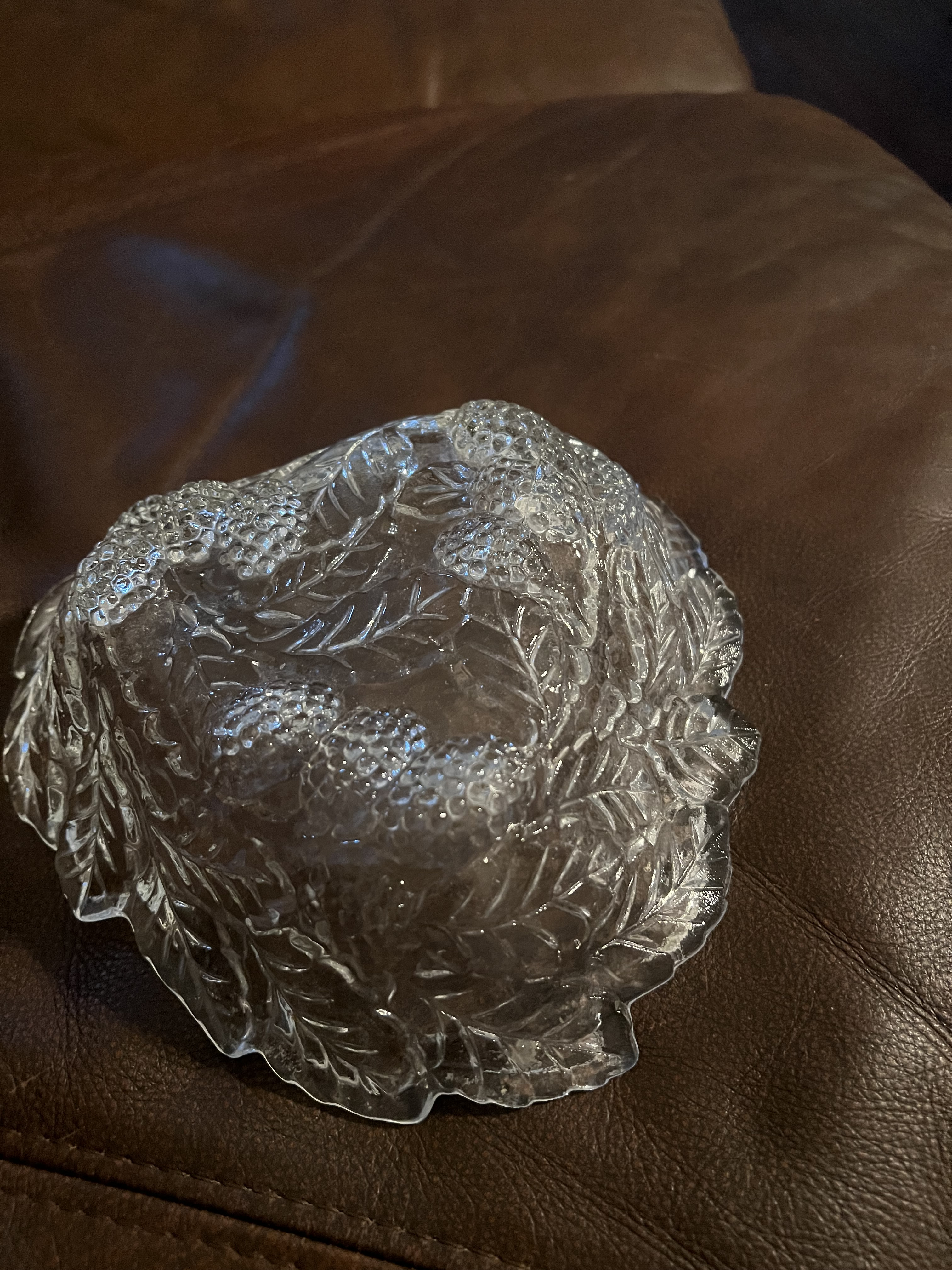
A ruffled Carnival glass bowl with a marigold (orange-based) body, iridescent surface featuring vibrant blue-green and pinkish-gold hues, and distinctive milky white opal edges. The bowl has a floral pattern at the base and a scalloped, crimped edge. No visible maker’s mark.

Category:
Decorative Glassware → Carnival Glass

Medium:
Pressed glass with iridescent (carnival) finish, marigold base color with opalescent edge

Dimensions:

  • Width: 5.5 inches
  • Height: ~2 inches at tallest point
  • Base diameter: 2.75 inches

Condition:
Excellent — No visible chips, cracks, or signs of wear. The iridescence is vivid and consistent, which adds positively to value.

Historical Context:

Carnival glass became popular in the early 1900s as an affordable decorative alternative to Tiffany-style iridescent glass. The marigold color was one of the most common base colors, and its warm orange tone made it a favorite among collectors. The opalescent rim seen on your bowl adds value and indicates a more refined production process.

This bowl was likely produced between 1908 and 1925, possibly by one of the major American makers like Fenton, Northwood, or Imperial Glass Company, all of whom were known for marigold and opalescent combinations. However, due to the lack of a maker's mark and the generic mold, precise attribution without further documentation is not possible.

Authentication Assessment:

  • Authenticity: The piece appears to be a genuine example of early 20th-century pressed Carnival glass.
  • Manufacturer: Undetermined. The pattern and opalescent edge suggest Fenton or Northwood, but a professional glass pattern expert would be required to confirm.
  • Manufacturing Method: Mold-pressed glass with hand-ruffled edge and sprayed metallic iridescence.

Market Value Estimate (2025):

Type

Estimated Market Value

Retail Replacement Value

$55–$75 USD

Collector-to-Collector Value

$35–$50 USD

Auction Estimate

$25–$40 USD


Value Factors:

  • Positive: Excellent condition, vibrant iridescence, and desirable opalescent edge
  • Neutral: Common marigold base color
  • Negative: No maker’s mark; uncertain pattern attribution

Recommendation:

While your piece is not currently for sale, it would be considered a solid collectible in Carnival glass circles, especially for those who collect opalescent edge variants. If you wish to further document or insure the piece, consider having it examined by a Carnival glass appraiser or submitting photos to a collector society such as the Carnival Glass Association (ICGA) or Hooked on Carnival

Let me know if you’d like help identifying the pattern with more precision — there are databases I can guide you to or examine more closely.

📸 Quick Scan
Garage-Sale Mode Fast appraisals on the go