
Sword
AI Appraisal Report
Valuation
Refined using real market comparables and condition analysis
Item Details
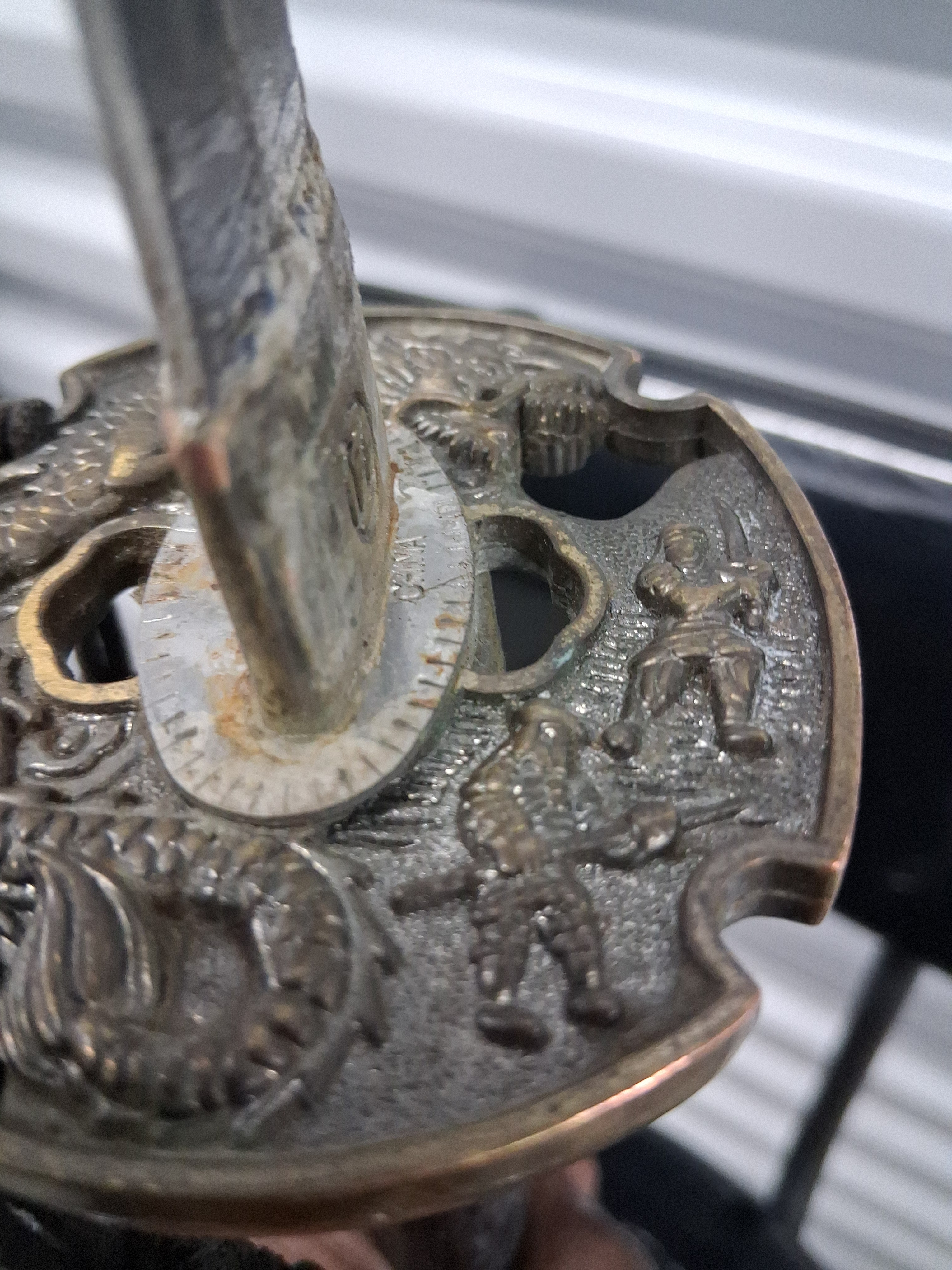
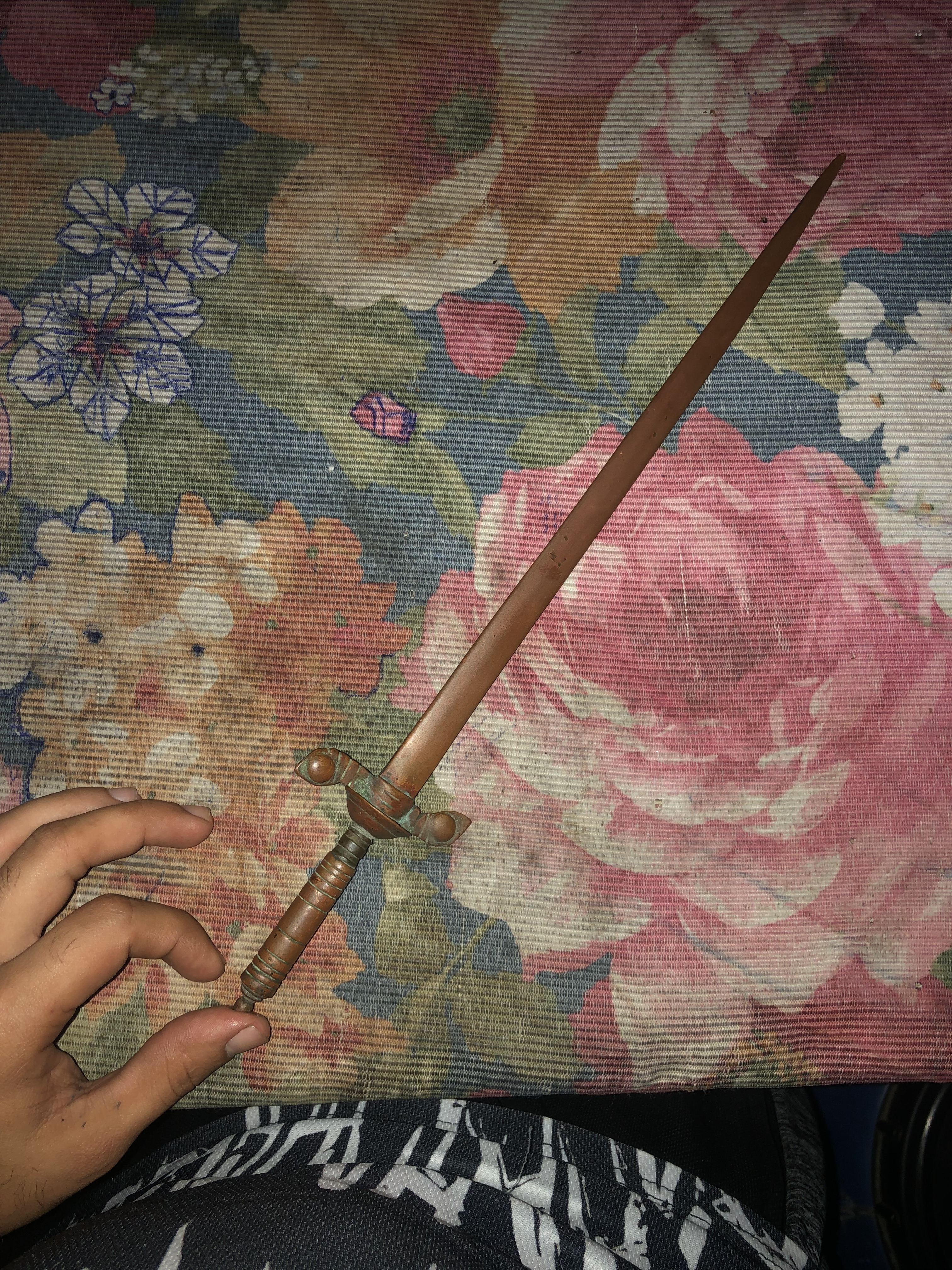
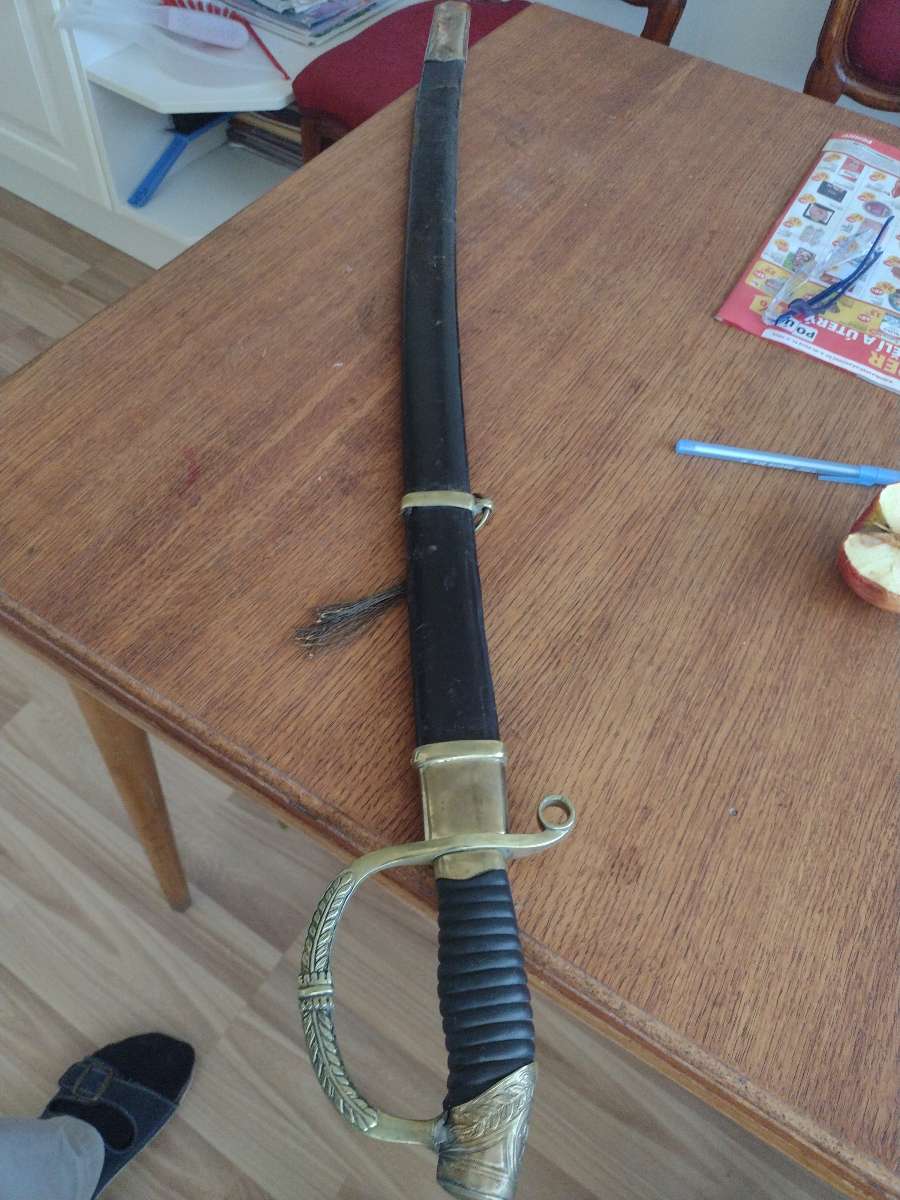
The specific maker is not identified, but the craftsmanship suggests it may be of Japanese or Chinese origin, possibly dating back to the late 19th or early 20th century.
The sword's design elements, such as the dragon motif and the style of the hilt, suggest it was made during the late Edo period or early Meiji period in Japan (approximately 1868-1912).
Documentation such as previous ownership history, auction records, or expert appraisals would enhance the sword's value.
Condition
- Some wear on the blade and hilt, including scratches and tarnishing.
- Intricate designs remain visible.
Good condition may reduce value by approximately 20-30% compared to excellent condition.
Summary
Asian Sword. Dating to Late 19th to early 20th century. Materials: Metal, possibly steel for the blade; brass or bronze for the hilt and guard.. Estimated value: $200 – $500. Condition: Good. Stable market with moderate demand among collectors.
Market Data
Stable market with moderate demand among collectors.
Specialty dealers and online auction platforms.
Care & Preservation
- Store in a dry environment to prevent rust.
- Use a soft cloth to clean the blade and avoid harsh chemicals.
- Consider using a protective oil to maintain the blade's finish.
Community Insights
Know something about this item? Collectors and experts share tips, identification help, and real-world experience here.
Have Something to Appraise?
Upload photos of your antique or collectible and get an AI-powered analysis in under a minute.
Get Your Appraisal →Comparable Items & Values
See how comparable items are valued
Shop Similar Items
Find items like this for sale on major marketplaces
InstAppraisal may earn a commission from purchases made through these links at no extra cost to you.
Comments
No comments yet. Be the first to share your thoughts!
InstAppraisal connects collectors but is not a marketplace. All transactions are between users at their own risk.