This appraisal is provided for informational and educational purposes only and does not constitute a certified, licensed, or formal appraisal.
Appraisal results are generated using automated systems, including artificial intelligence, and are based solely on the information and images submitted by the user, along with publicly available data. As such, results may contain inaccuracies, omissions, or errors.
InstAppraisal does not authenticate items. No determination of authenticity, origin, materials, maker, or age should be considered verified. Many items—particularly luxury goods, watches, jewelry, coins, art, and designer products—are frequently counterfeited and may closely resemble genuine examples. Authenticity cannot be confirmed from images alone.
Any statements regarding authenticity are expressions of opinion only and should not be relied upon as fact. Independent professional authentication is strongly recommended before any purchase, sale, or valuation decision.
Appraisal values are estimates only and may vary significantly based on condition, provenance, market demand, and additional information not available at the time of review.
Appraisals must not be relied upon for insurance, legal, tax, estate, or financial purposes without independent professional verification.
InstAppraisal disclaims all liability for any losses, damages, or disputes arising from reliance on this appraisal, including transactions conducted based on the information provided.
By using this service, you acknowledge and agree that you assume all risk associated with reliance on appraisal results.
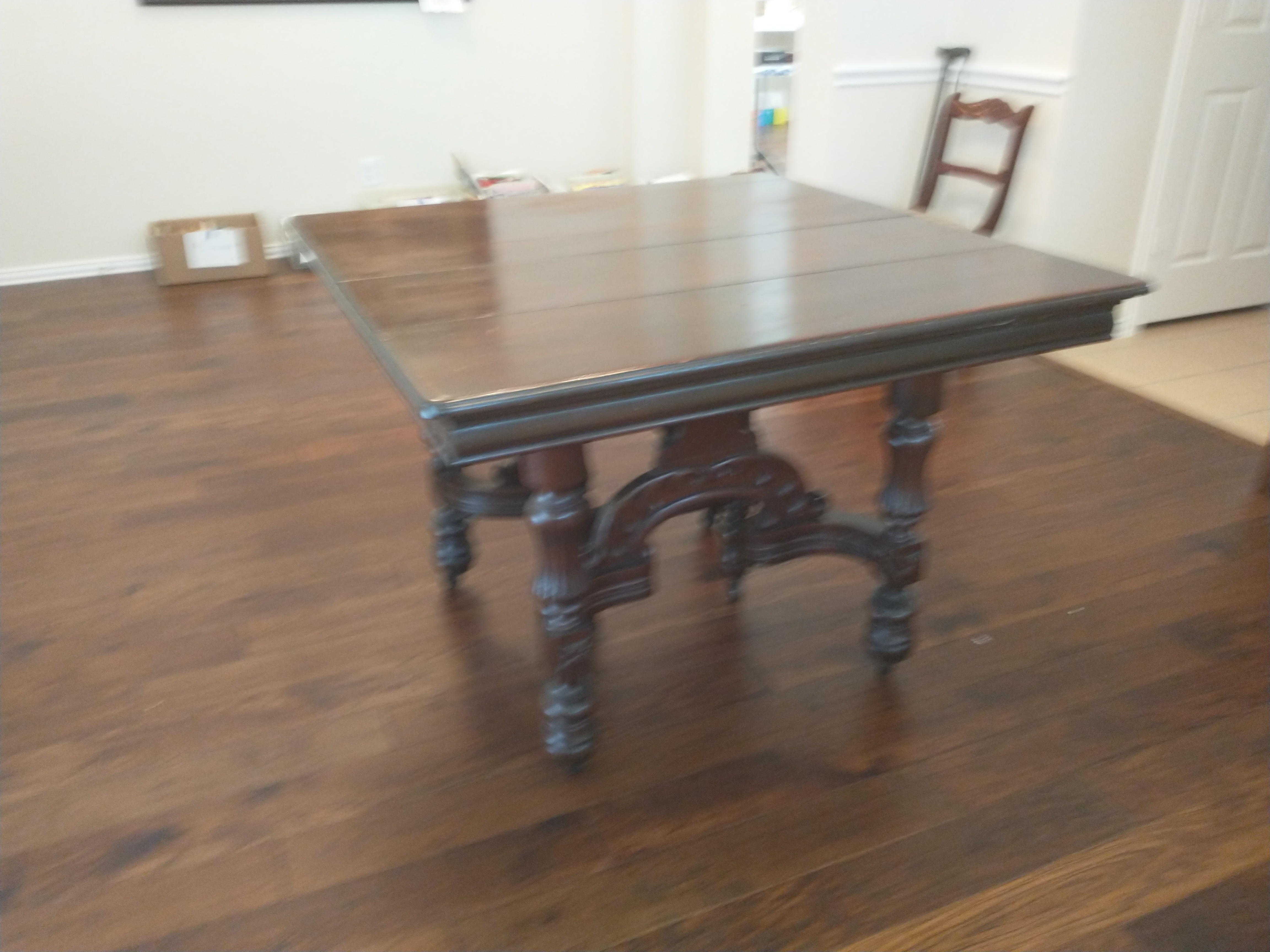
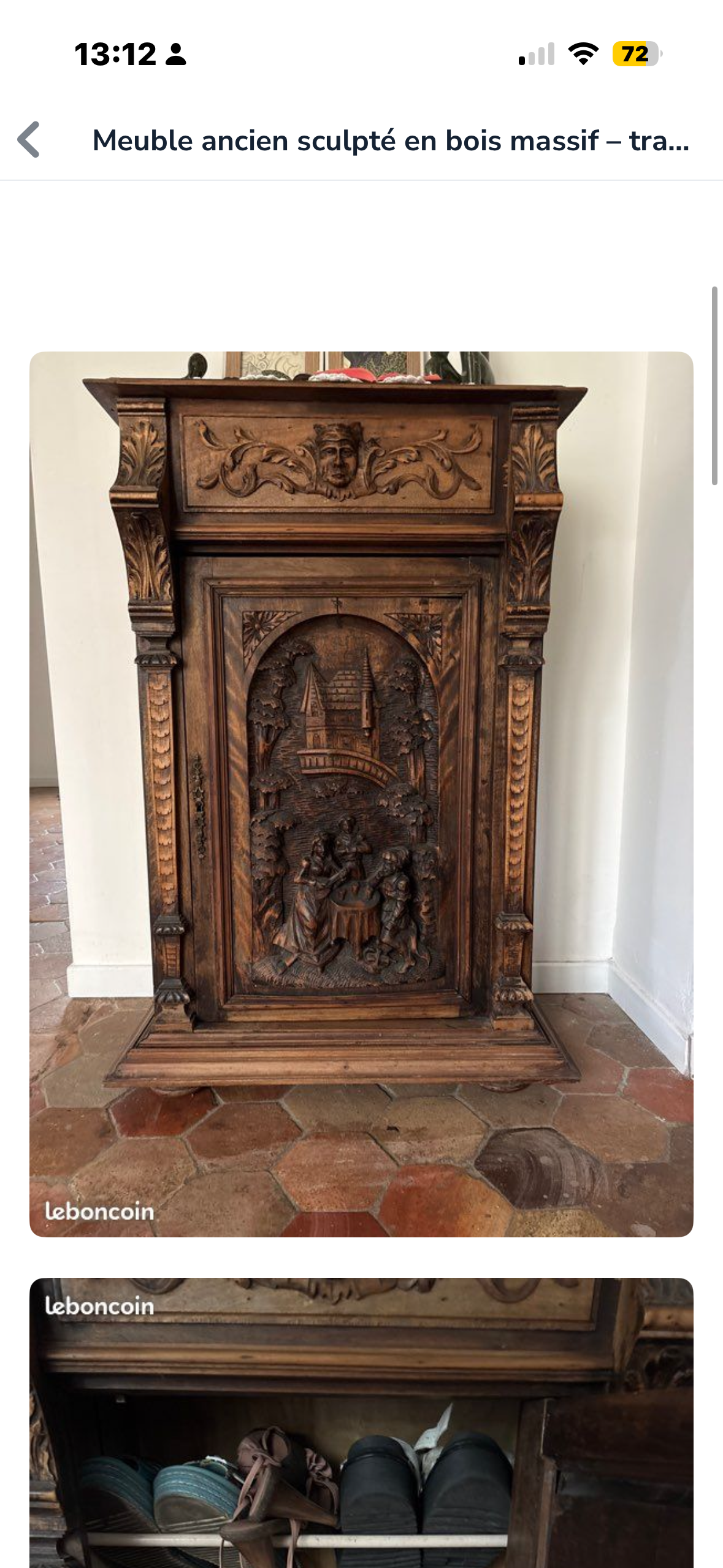
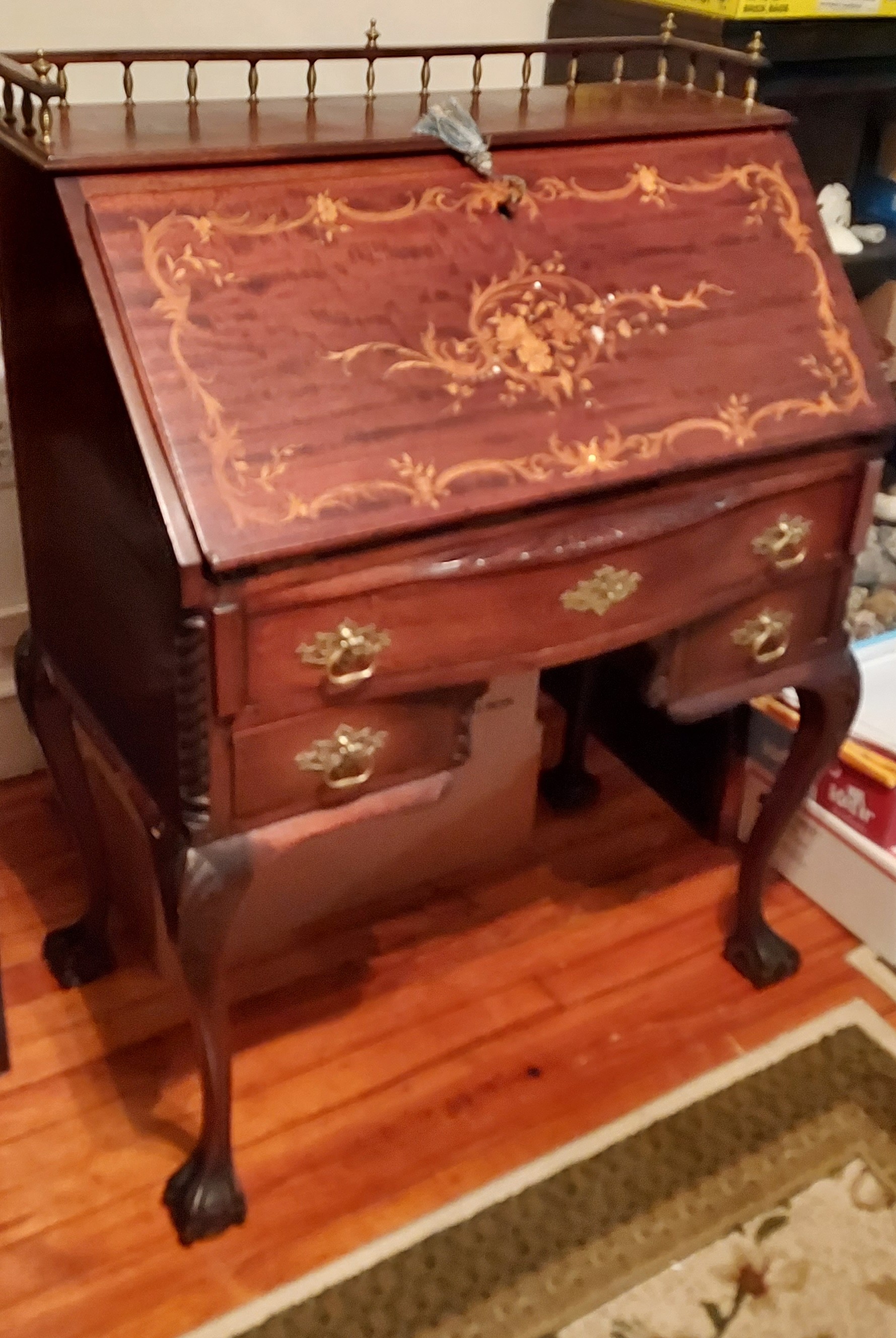
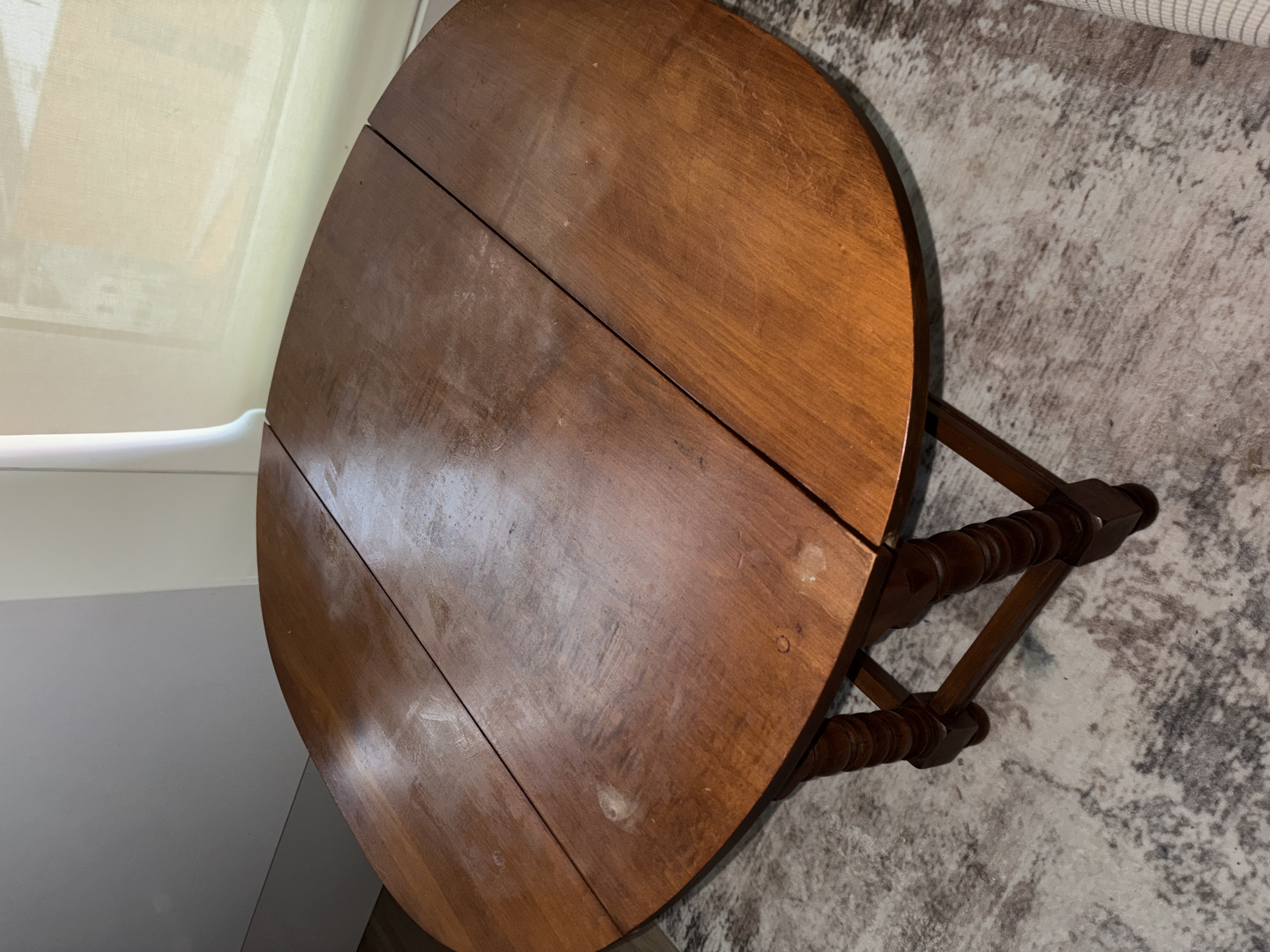
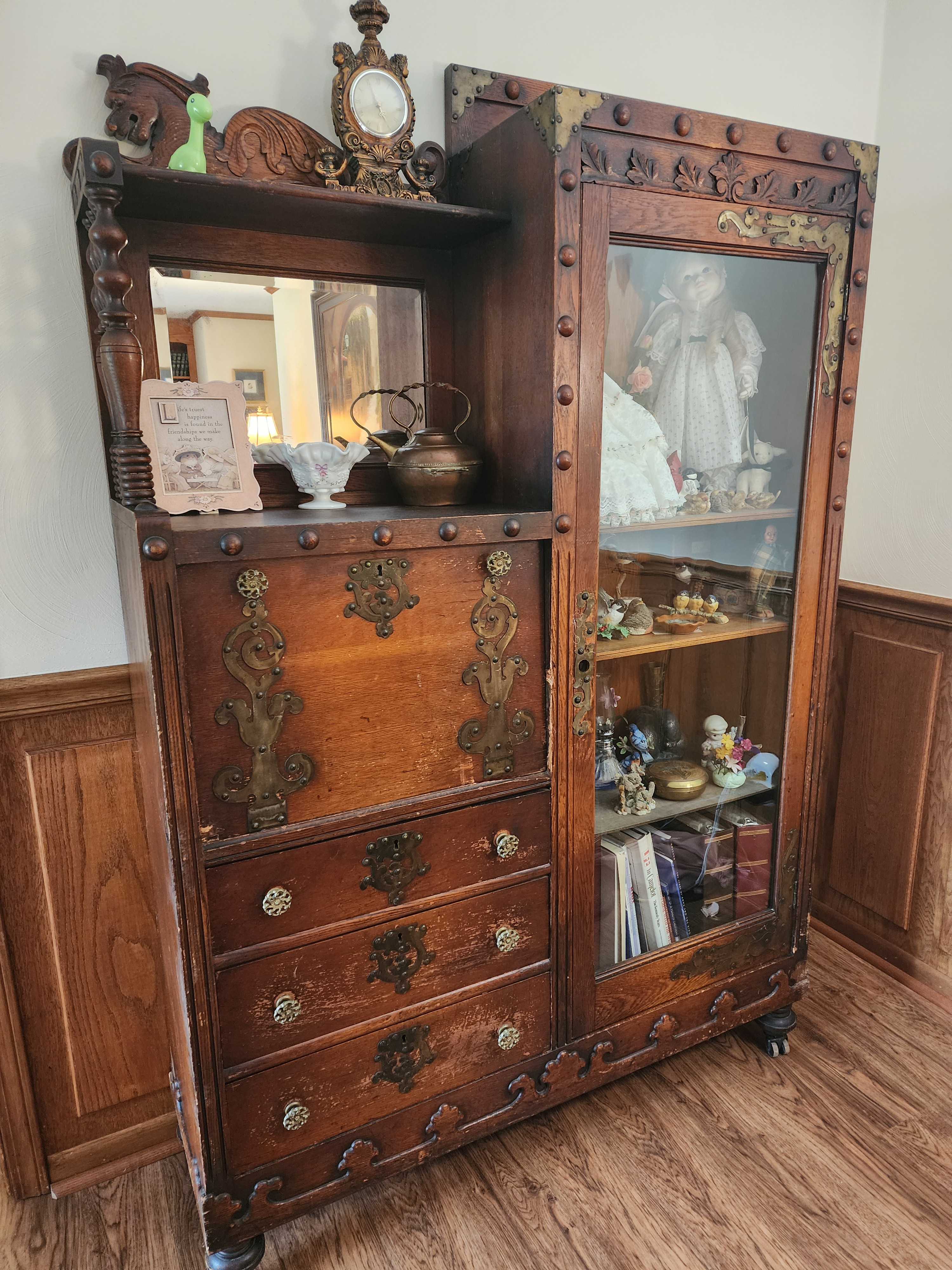
Appraisal for Inlaid Desk and Corner Side Table
Description
This desk and corner side table are beautifully crafted furniture pieces featuring intricate inlay work. The combination of delicate floral and scroll inlays suggests an emphasis on elegance and detailed craftsmanship.
Historical Context
The inlay techniques and overall style are reminiscent of 18th- to early 19th-century furniture, specifically European designs. The marquetry and detailed motifs could indicate influences from Italy, where such designs flourished, or France, known for its ornate furniture during the Rococo and early Neoclassical periods.
While you mentioned the pieces might be from the late 1700s, without visible maker’s marks or provenance, it’s challenging to confirm their exact period. They could be 20th-century reproductions made in the style of older European furniture, which was common among skilled furniture makers catering to the growing market for antiques and replicas.
Condition
Both pieces appear to be in good condition, with signs of age consistent with their use and historical value:
Current Market Value
The value of these pieces is influenced by their craftsmanship, condition, and market trends for antique or vintage furniture.
(If confirmed as an original late 18th- or early 19th-century piece, its value could rise significantly, exceeding $5,000.)
(The standalone value is lower than the desk but complements it as part of a set.)
Factors Affecting Value
Suggestions for Sale
Care Instructions
To preserve their condition:
Conclusion
This desk and corner table are excellent examples of fine craftsmanship, likely inspired by 18th-century European designs. Their intricate inlay work and good condition make them appealing to collectors and enthusiasts of decorative antique furniture. With appropriate marketing, they could fetch a significant amount, particularly in the right antique market.
Thank you for your help. I…
Thank you for your help. I am currently researching the past and it’s appearing that it is of the period and not a replica. Of that be the case just out of curiosity you said could be worth over $5k, how much more? I am wondering if I should have insurance for the piece separately or what? Thank you again for all your assistance.