Upgrade for PDF reports, more daily appraisals, and ad-free experience.
Limoges Pattern: GDA67 by Gerard, Dufraiss and Abbot
⚠️ Legal Disclaimer
This appraisal is provided for informational and educational purposes only and does not constitute a certified, licensed, or formal appraisal.
Appraisal results are generated using automated systems, including artificial intelligence, and are based solely on the information and images submitted by the user, along with publicly available data. As such, results may contain inaccuracies, omissions, or errors.
InstAppraisal does not authenticate items. No determination of authenticity, origin, materials, maker, or age should be considered verified. Many items—particularly luxury goods, watches, jewelry, coins, art, and designer products—are frequently counterfeited and may closely resemble genuine examples. Authenticity cannot be confirmed from images alone.
Any statements regarding authenticity are expressions of opinion only and should not be relied upon as fact. Independent professional authentication is strongly recommended before any purchase, sale, or valuation decision.
Appraisal values are estimates only and may vary significantly based on condition, provenance, market demand, and additional information not available at the time of review.
Appraisals must not be relied upon for insurance, legal, tax, estate, or financial purposes without independent professional verification.
InstAppraisal disclaims all liability for any losses, damages, or disputes arising from reliance on this appraisal, including transactions conducted based on the information provided.
By using this service, you acknowledge and agree that you assume all risk associated with reliance on appraisal results.
Limoges, France, was the
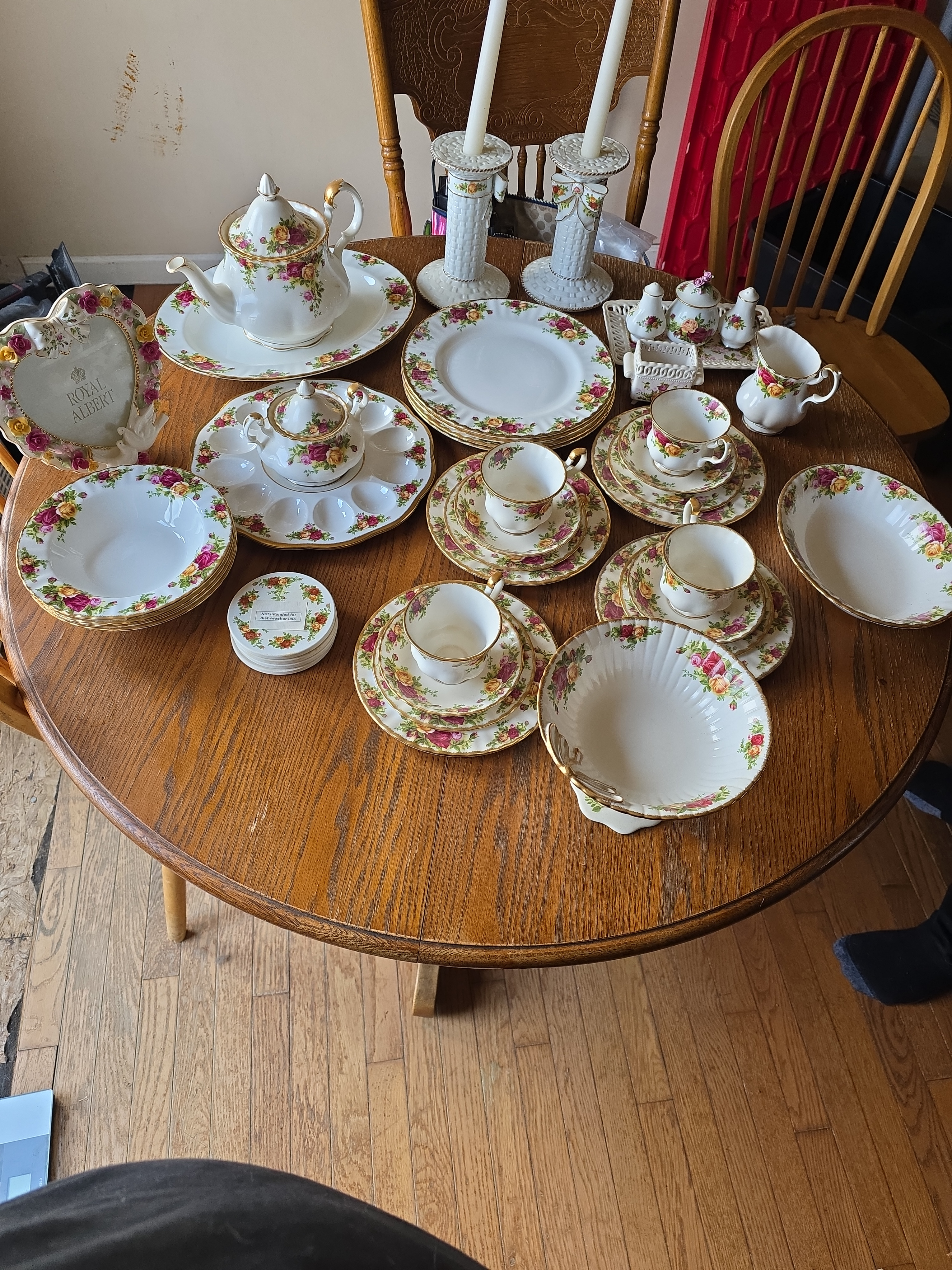
<p>Limoges, France, was the late 19th Century equivilent of early 19th century Staffordshire England, in that Limoges, like Staffordshire, was the home of hundreds of potteries and porcelain decorator shops. The marking "France"on the back of your pieces indicates it was made circa 1891-1920's.</p><p>Country of origin markings were a result of the American trade law, the "Mckinley Act" , which blocked enter of imported goods into the USA unless they were stamped with their country of origin. The American market being the largest at that time most European companies complied.</p><p> The earlier Limoge pieces tend to be heavy on the Floral patterns, the less elaborate examples like yours generally date after 1900 to World War One.</p><p>Value wise, well there is a ton of this stuff currently on the market, a result of baby Boomers inheriting their parents and grand parents china and dumping it all on the market at the same time. Most of it is sold "by the piece" in the replacement market where it gets its highest value. Complete sets often retail in the $300.00- $500.00 range.</p><p> </p><p>Lovejoy </p>