
Click any image to enlarge
AI Appraisal
Description
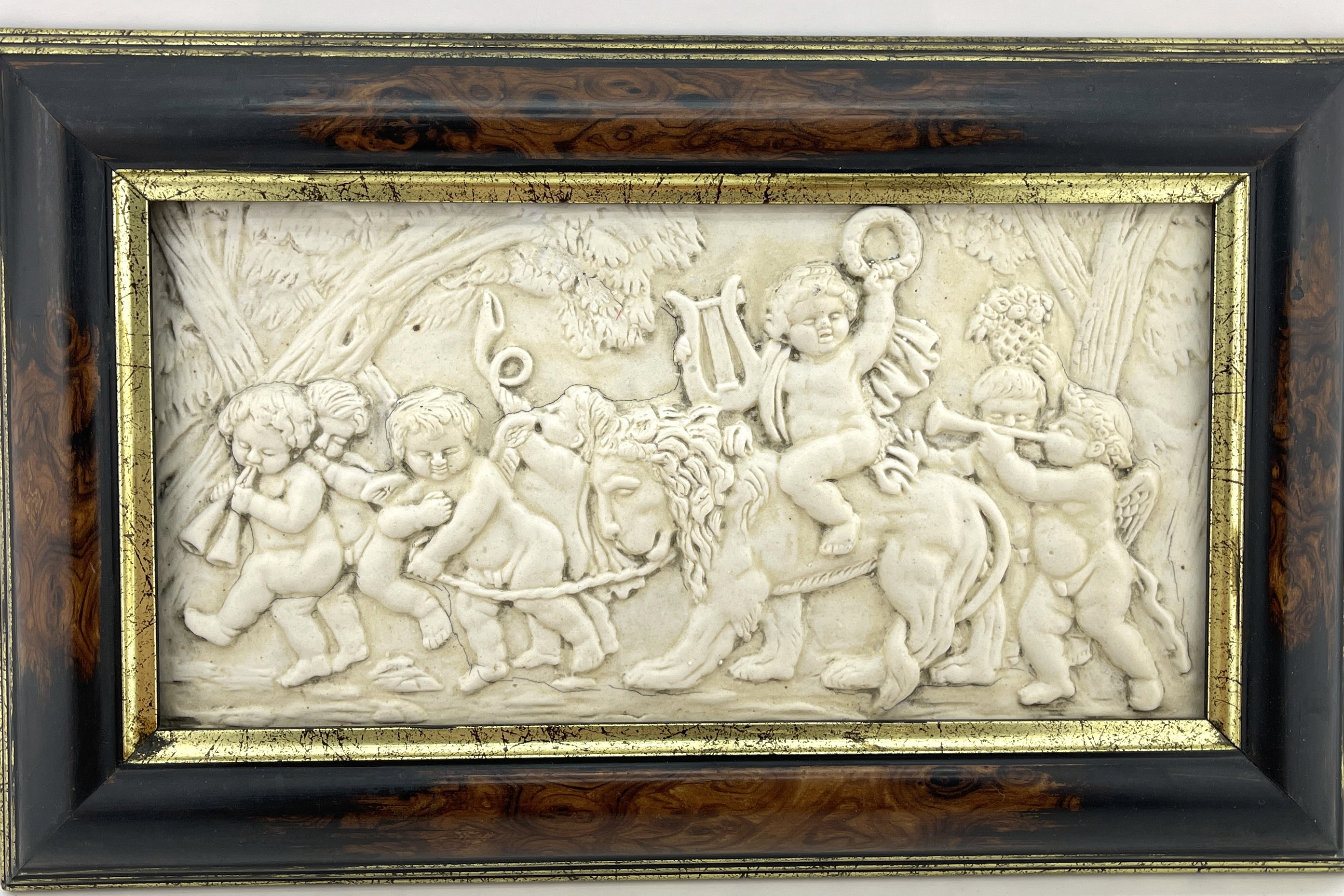
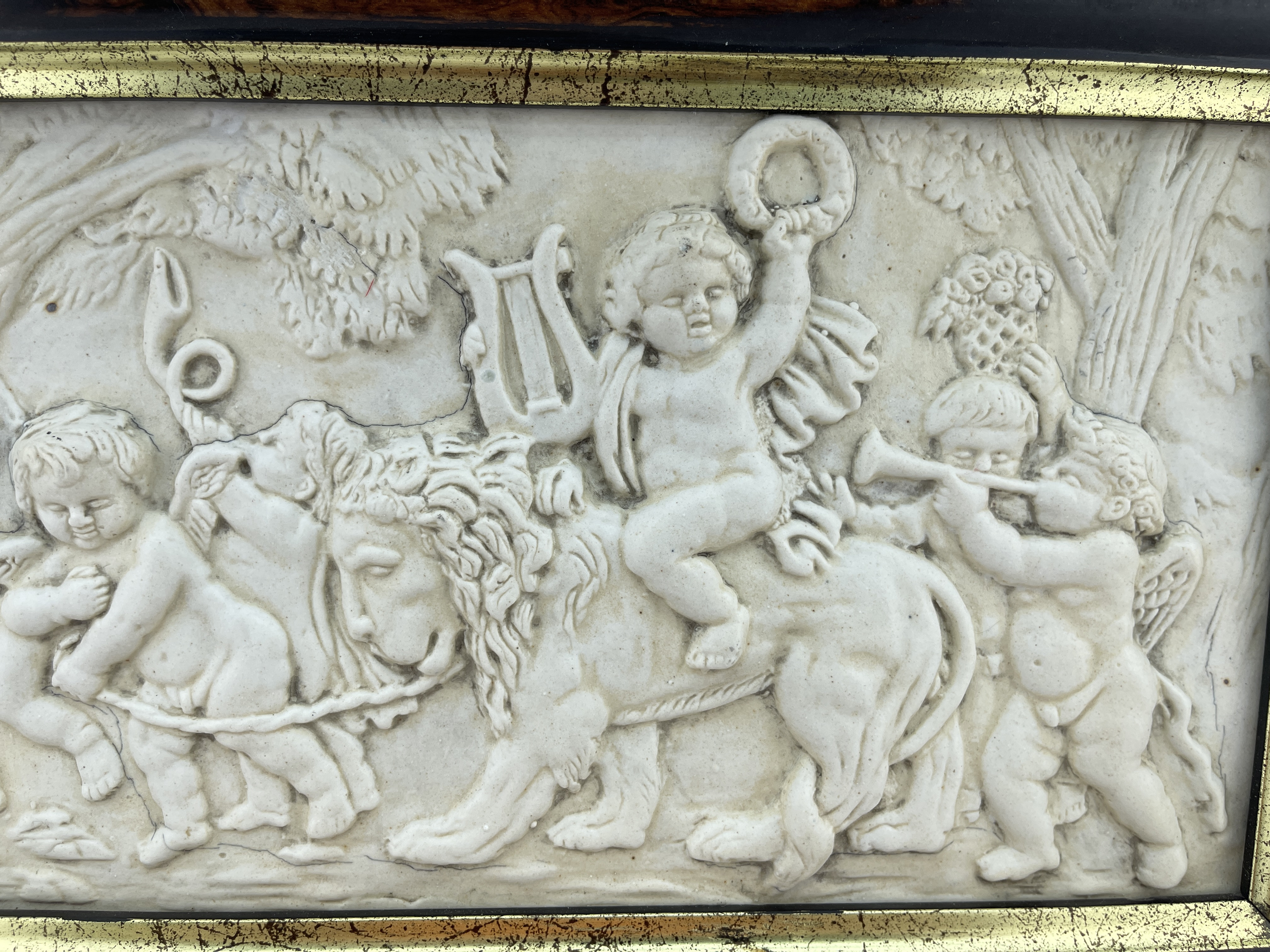
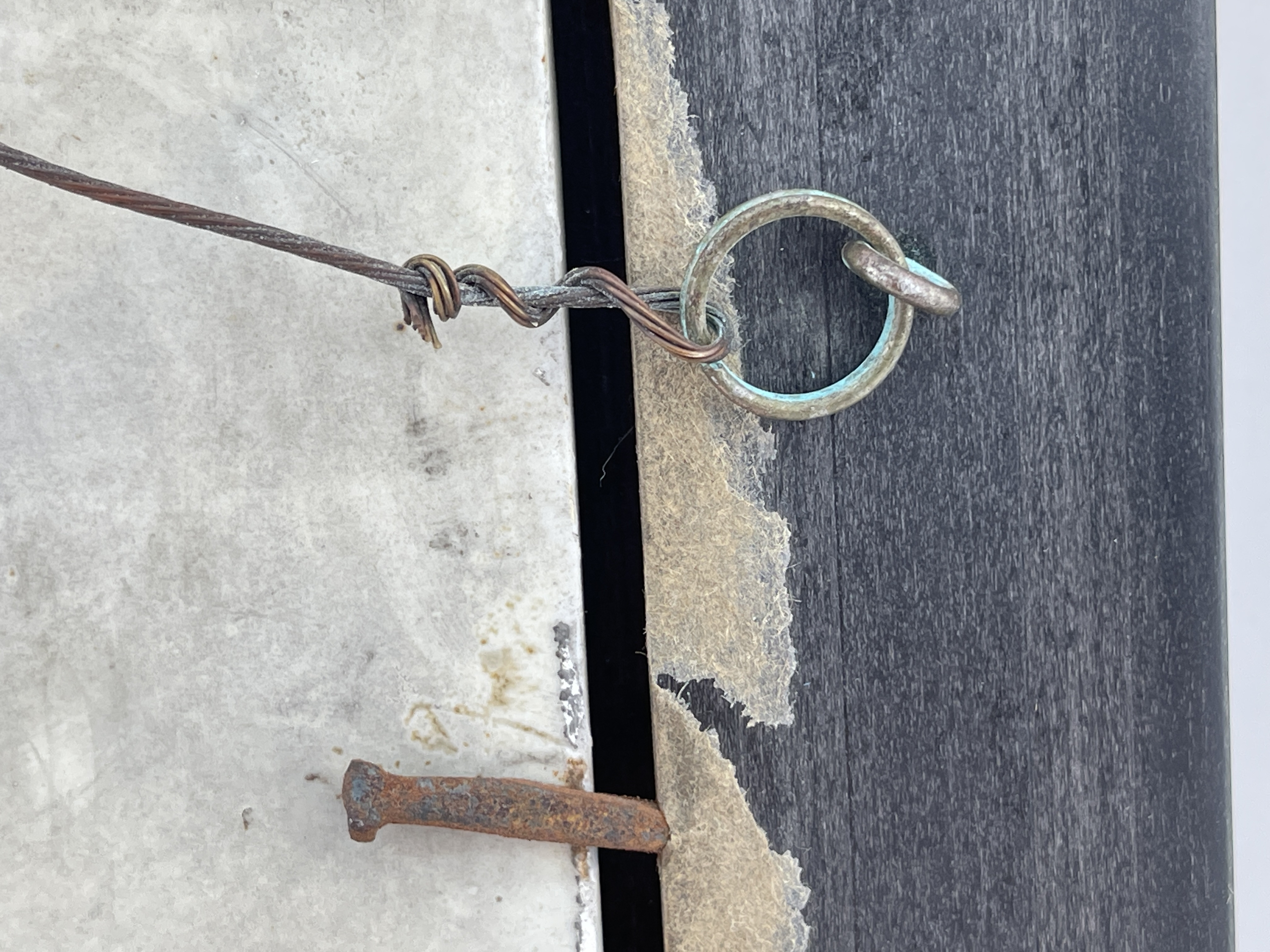
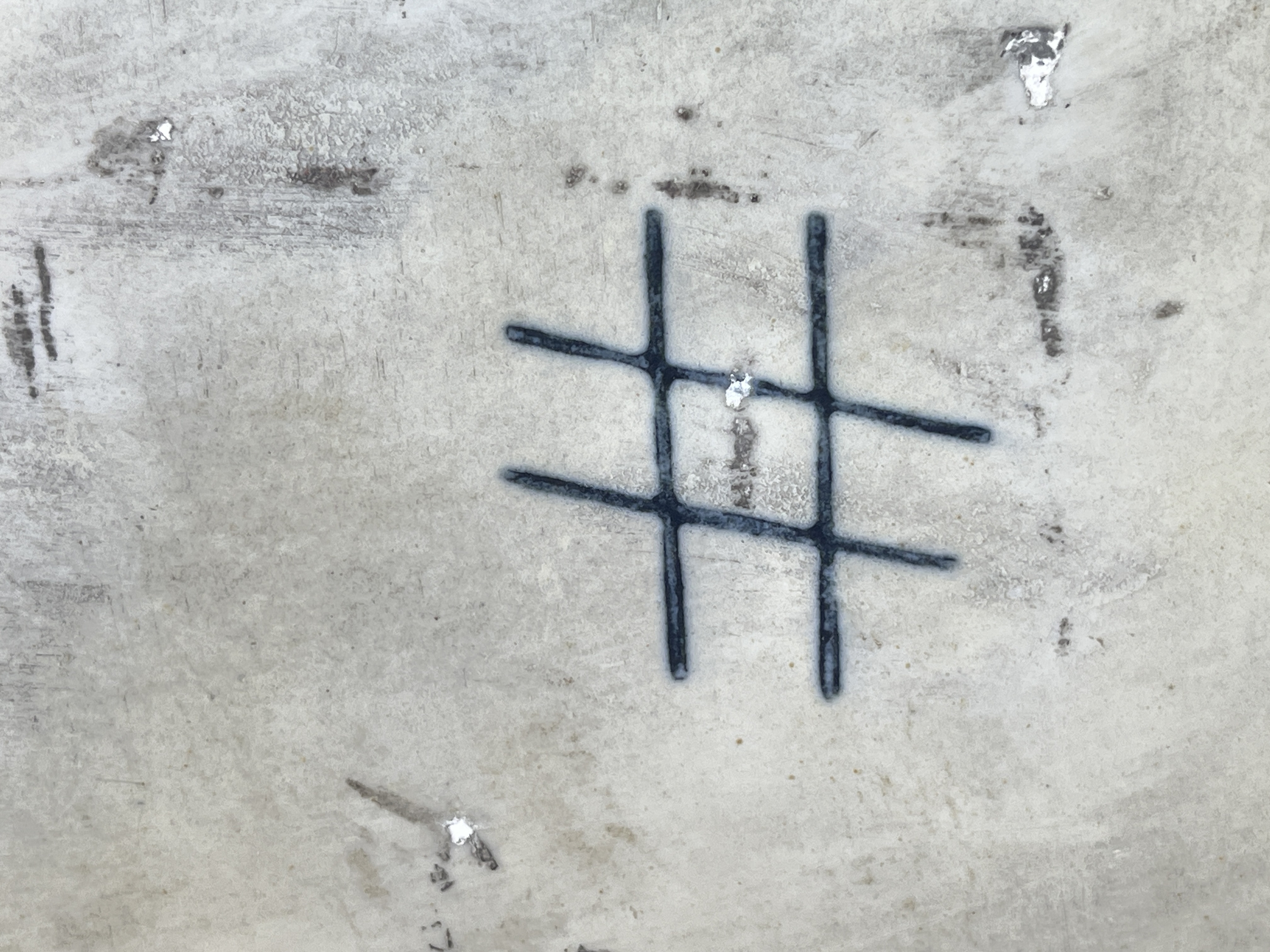
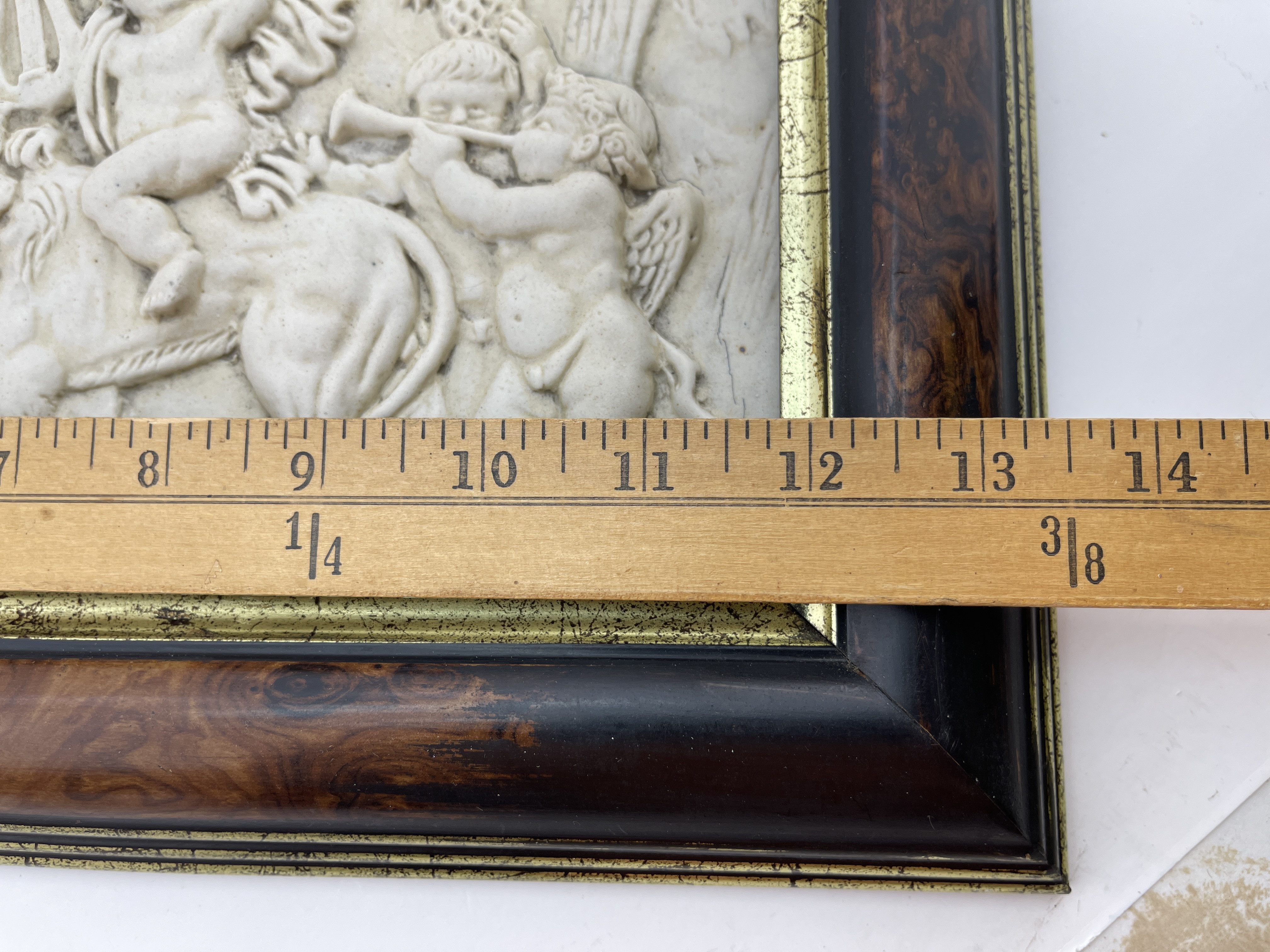
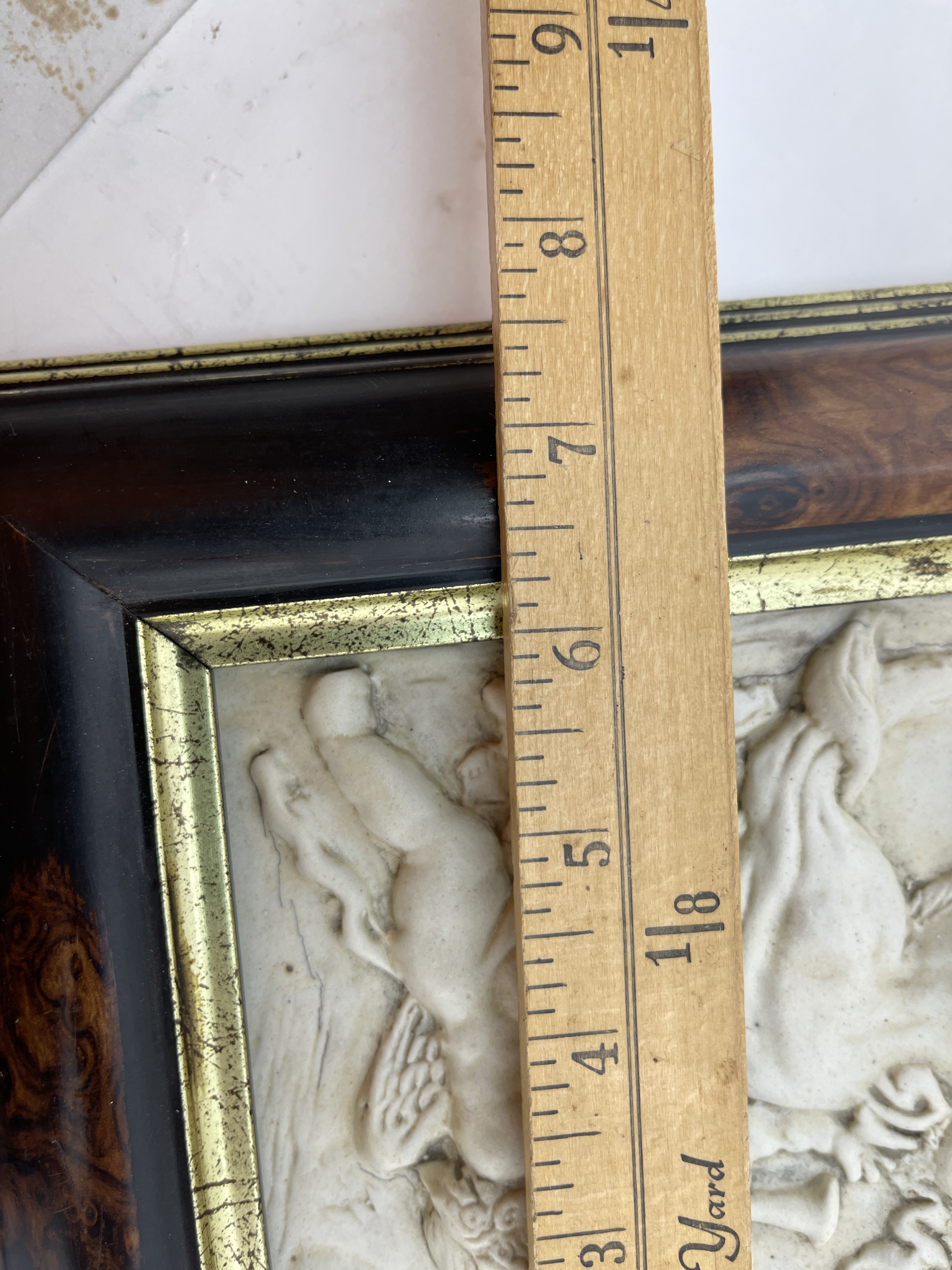
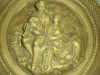
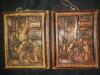
An antique alabaster or marble bas-relief framed plaque with cherubs/angels playing assorted instruments and a lion. It has an odd hashtag mark on the back and vey old antique nails holding the plaque in the frame.
Category
General Antiques and Collectibles
Medium
Alabaster or marble
Distinguishing marks
Hashtag mark '#' is imprinted on the back.
Condition
Good
Size and dimensions of this item
plaque measures approx. 12" x 6.25"
Date Period
unknown
Weight
4lbs
History
Obtained at a local church thrift store...no previous owner history available since it was donated.
⚠️ You have 1 free appraisal left today
Upgrade for 15-30/day →
Want more from your appraisals?
View Plans →
Upgrade for PDF reports, more daily appraisals, and ad-free experience.
Any information on this…
Any information on this piece would be appreciated.
Antique Bas-Relief Plaque Featuring Putti and Lion
Antique Bas-Relief Plaque Featuring Putti and Lion
Description:
This is a highly detailed antique bas-relief wall plaque carved in either alabaster or marble. The composition features a procession of putti (cherubic figures, often symbolizing innocence or divine love) parading with instruments and wreaths, one of them riding a lion. The figures are deeply incised and framed within a classically styled, dark wood and gilt frame, suggesting a late 19th to early 20th-century neoclassical revival design.
Material & Construction:
Artistic and Historical Context:
The imagery draws from classical Roman Bacchanalian scenes or Renaissance interpretations of mythological triumphs. The use of putti and animals like lions is a hallmark of Neoclassical and Romantic Revival styles popular in Europe during the late 18th and 19th centuries. This piece could have originated in Italy, France, or even Germany, where such scenes were often produced in both stone and cast plaster.
The carving quality, while not museum-grade, is above average for mass-produced souvenirs, and the lion’s face in particular is sensitively rendered. The unique combination of cherubs and a lion is less common and adds interest.
Markings:
Condition:
Estimated Date:
Circa 1880–1920, likely European in origin. May have been part of a larger decorative panel or a standalone wall art piece for a private residence or ecclesiastical setting.
Current Market Value Estimate:
Recommendation:
If the piece is not for sale, consider having it professionally appraised in person by a decorative arts specialist for a more exact regional attribution. However, based on the photos and mark, it is likely a Continental European piece with modest collectible appeal.
This would make an excellent display in a traditional or classical-themed interior and could appreciate modestly in value depending on market interest in neoclassical revival art.
Thank you for your detailed…
Thank you for your detailed information! I am considering keeping this piece, as it is so unique and old. I will try to find information on the donor from the store I acquired it from and get some actual provenance. Thanks again!