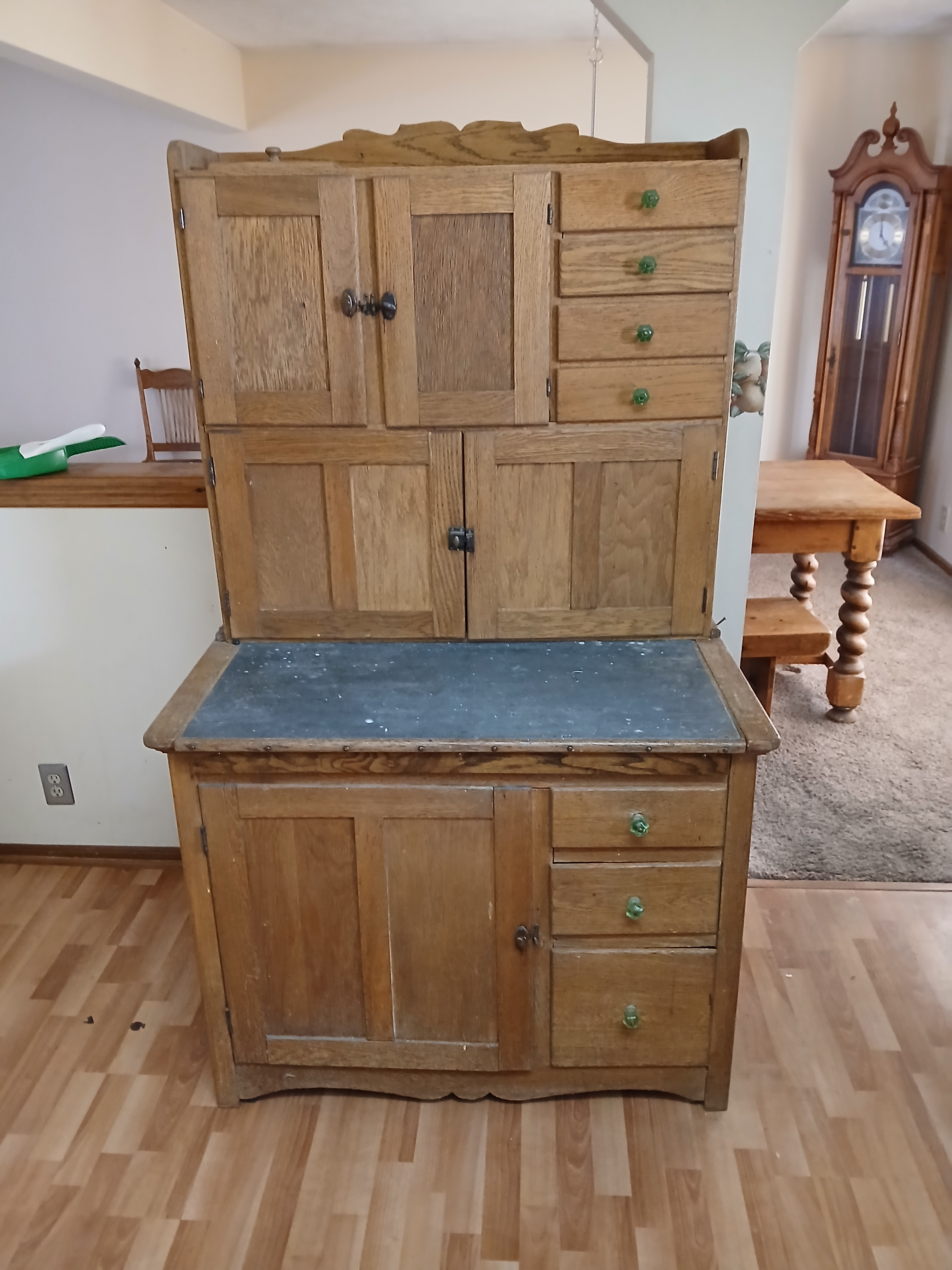
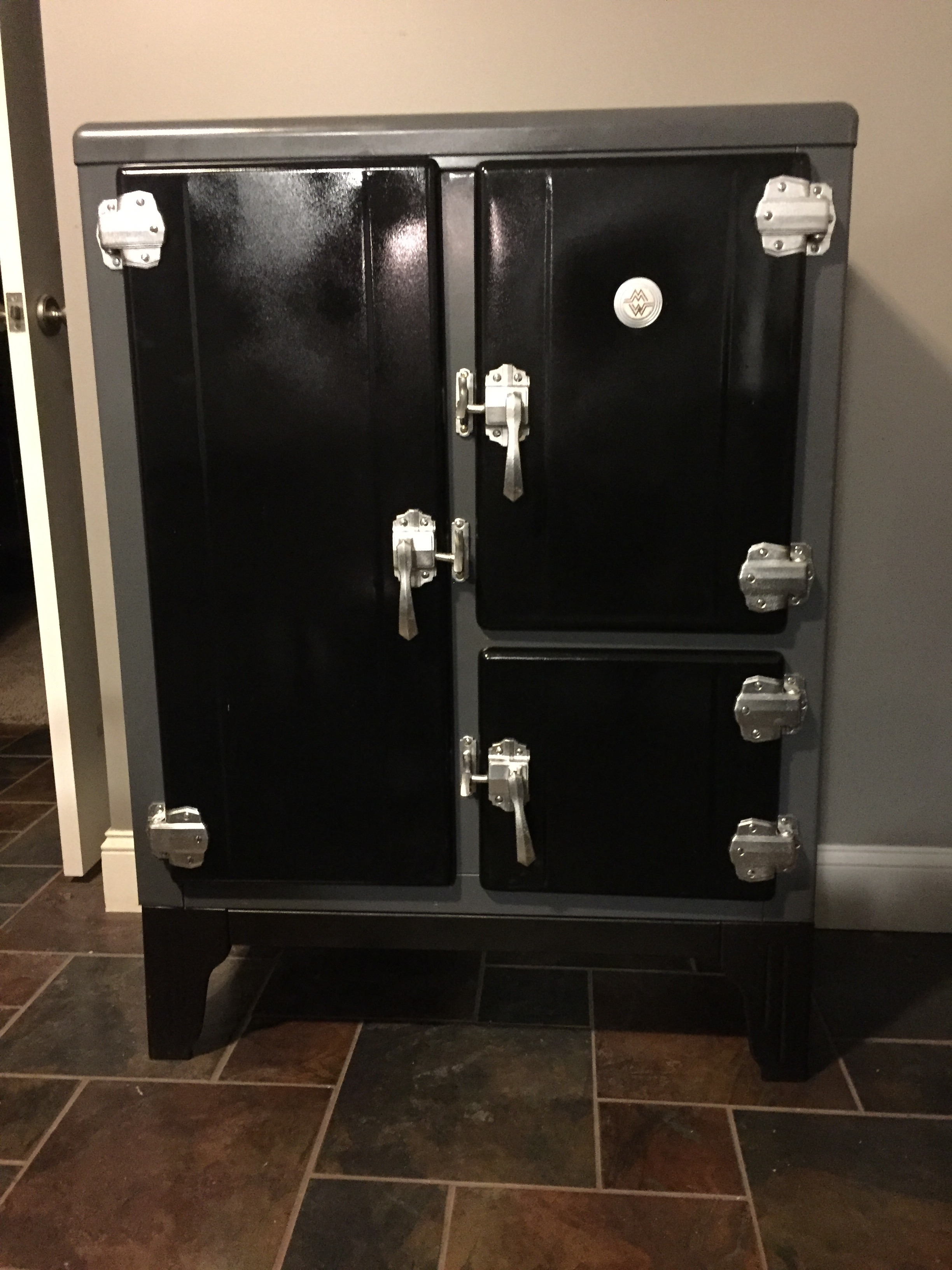
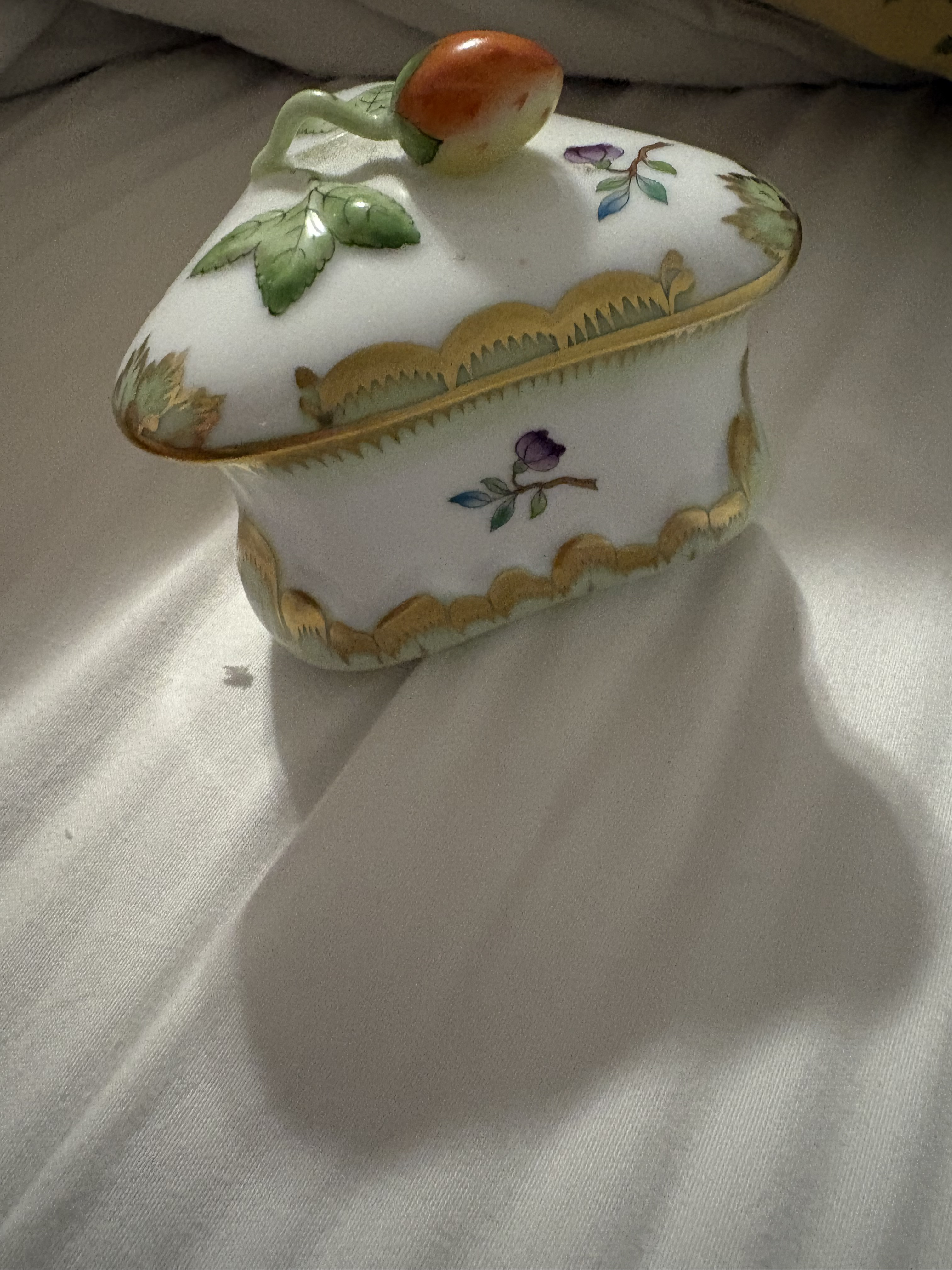
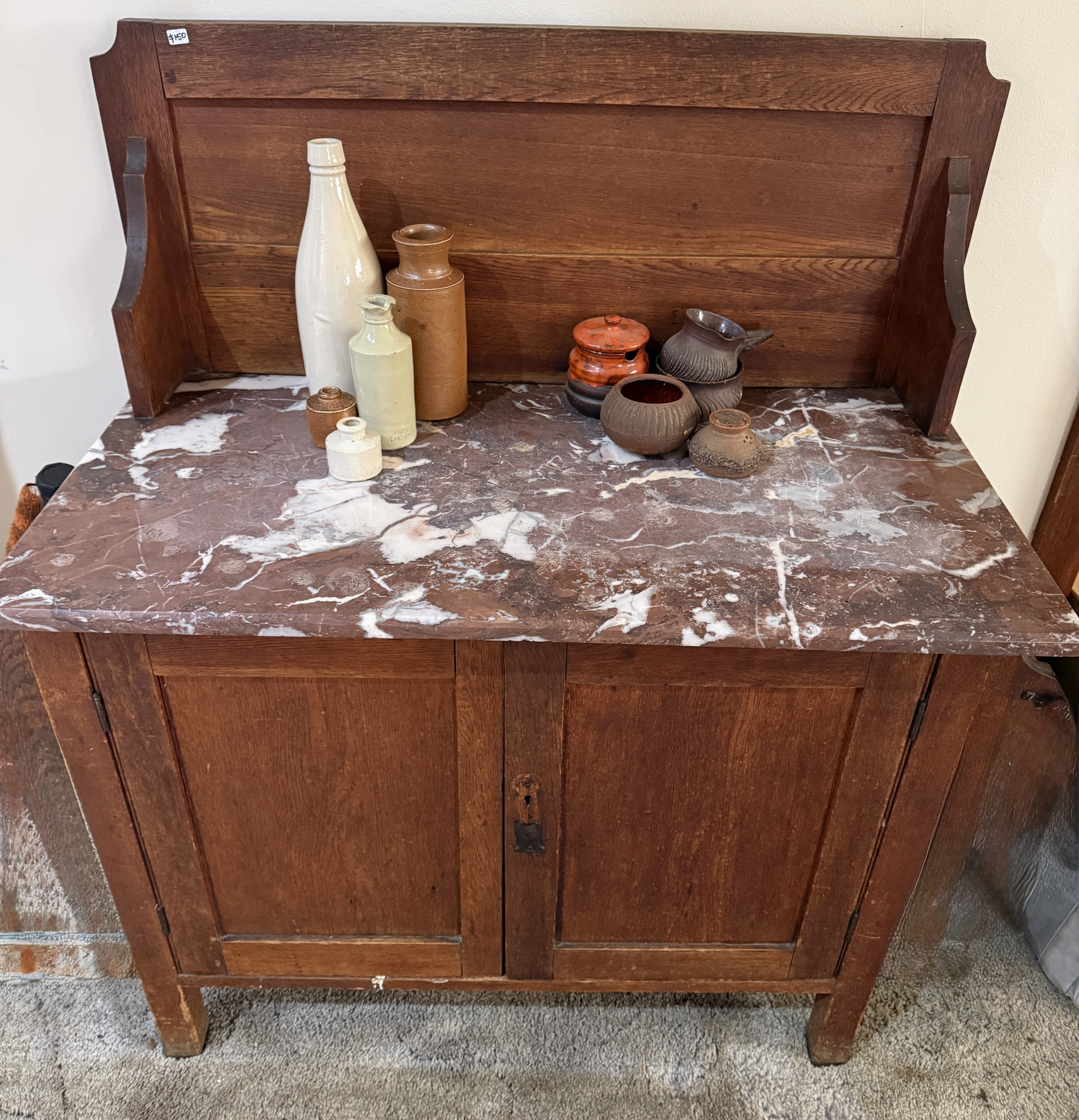
Beautiful finish, no blemishes on either level, came from family antique store mid 1900s, not sure when or where made, inherited when my mother passed.
Upgrade for PDF reports, more daily appraisals, and ad-free experience.
Beautiful finish, no blemishes on either level, came from family antique store mid 1900s, not sure when or where made, inherited when my mother passed.
Upgrade for PDF reports, more daily appraisals, and ad-free experience.
This appraisal is provided for informational and educational purposes only and does not constitute a certified, licensed, or formal appraisal.
Appraisal values are estimates based on submitted information, publicly available data, and input from InstAppraisal community, and may vary due to condition, provenance, regional demand, or additional information.
Appraisals must not be relied upon for insurance, legal, tax, or estate purposes without independent professional verification. InstAppraisal makes no guarantees regarding accuracy, completeness, or suitability for any specific use.
Would like to determine…
Would like to determine value.
"Golden Oak" parlour tables…
"Golden Oak" parlour tables such as these were made primarily at the turn of the 19th century and can be often found in catalogues of the period, published by mail order companies such as Montgomery Eard and Sears. Roebuck . They last reached their peak of value during the mid to late 1980s, but since that time values declined drastically. Currently, comparable tables often sell for under a $100 at auction.
Antique Claw Foot Glass Ball Oak Parlor Table
Description and Characteristics: This is a beautifully preserved oak parlor table featuring claw feet with glass balls. The table's finish is in excellent condition, with no visible blemishes on either level. Its dimensions are 29 inches high, 24 inches wide, and 24 inches deep, making it a versatile piece suitable for various settings. The table’s aesthetic, including its turned legs and claw-and-ball feet, is indicative of early 20th-century craftsmanship, likely produced during the Edwardian period or late Victorian era.
History: The table came from Whistlestop Antiques, a family-owned antique store in southern Minnesota, and was passed down through family inheritance. While the exact maker and location of origin are unclear, this style of furniture was commonly made in the United States during the early 1900s, especially in regions known for oak furniture production such as the Midwest.
Condition:
Value and Appraisal: Given its excellent condition, historical significance, and classic design, this table has both functional and decorative appeal. Oak furniture with claw-and-ball feet remains popular among collectors and interior decorators due to its timeless style and quality craftsmanship.
Recommendation: While the table is not for sale, maintaining its condition is essential to preserving its value. Avoid exposure to direct sunlight and extreme humidity to prevent wear. Should you decide to sell it in the future, having it appraised in person by an antique furniture expert would provide a more precise valuation based on local market conditions.