

Click any image to enlarge
AI Appraisal
Description
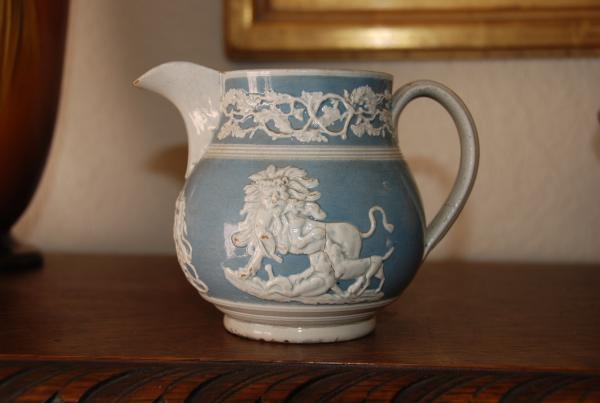
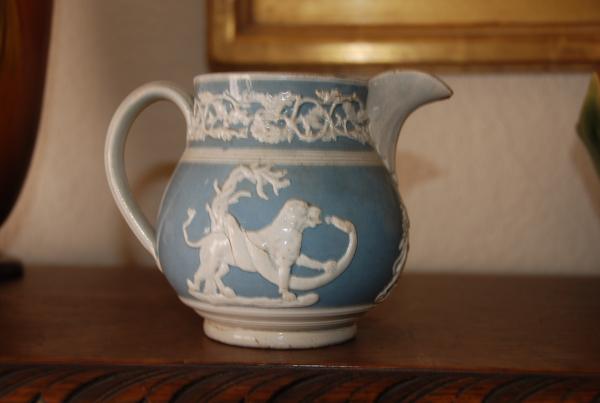
This pitcher was handed down from my great grandfather's family to me. I am curious as to its origins and age. His family descended from early immigrants from the Alsace region of Germany who came in the 1700s to America.
Category
Ceramics and Porcelains
Medium
porcelain
Distinguishing marks
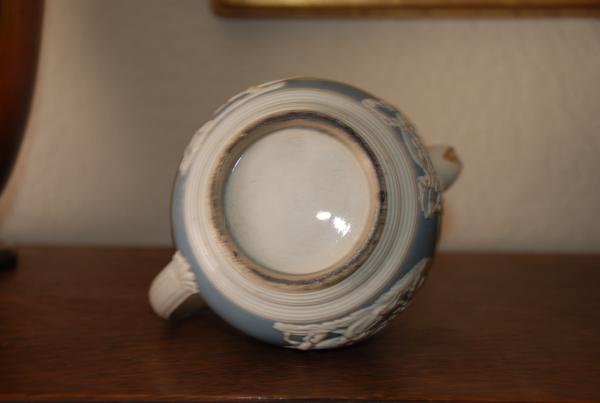
no marks
Condition
Good
Size and dimensions of this item
5" tall
Date Period
18th-19th century
History
handed down by relatives, German ancestry
eBay Auction Link
⚠️ You have 1 free appraisal left today
Upgrade for 15-30/day →
Want more from your appraisals?
View Plans →
Upgrade for PDF reports, more daily appraisals, and ad-free experience.
Re: Antique pitcher
Your milk pitcher looks like Jasperware, but it appears to have a glazed finish. The figures in high relief are representative of early potters attempts to copy Chinese porcelain. Because of the glazed finish (unless that is just from camera glare) and what the chip in the spout seems to reveal, this may be early soft paste porcelain and possibly from a German or Alsatian pottery. Alsace Lorraine at the time your ancestors emigrated was in France. (I am also of Alsatian heritage and my ancestors arried in the late 1700's as well.). However, Alsace borders Germany and many inhabitants in the late 1700's were German. The upper Bas Rhin region of Alsace was known for its potteries for centuries. If the pitcher has been in your family for several generations, it's possible your Alsatian ancestors brought it with them. Because pottery was actively imported from Eourpe in the early 1800's, they also could have purchased the pitcher here. I don't know enough about this kind of pottery to offer a credible value. Hopefully someone else will be able to.
Re: Antique pitcher
Thanks, I appreciate your comments!