
Photos Submitted for Appraisal
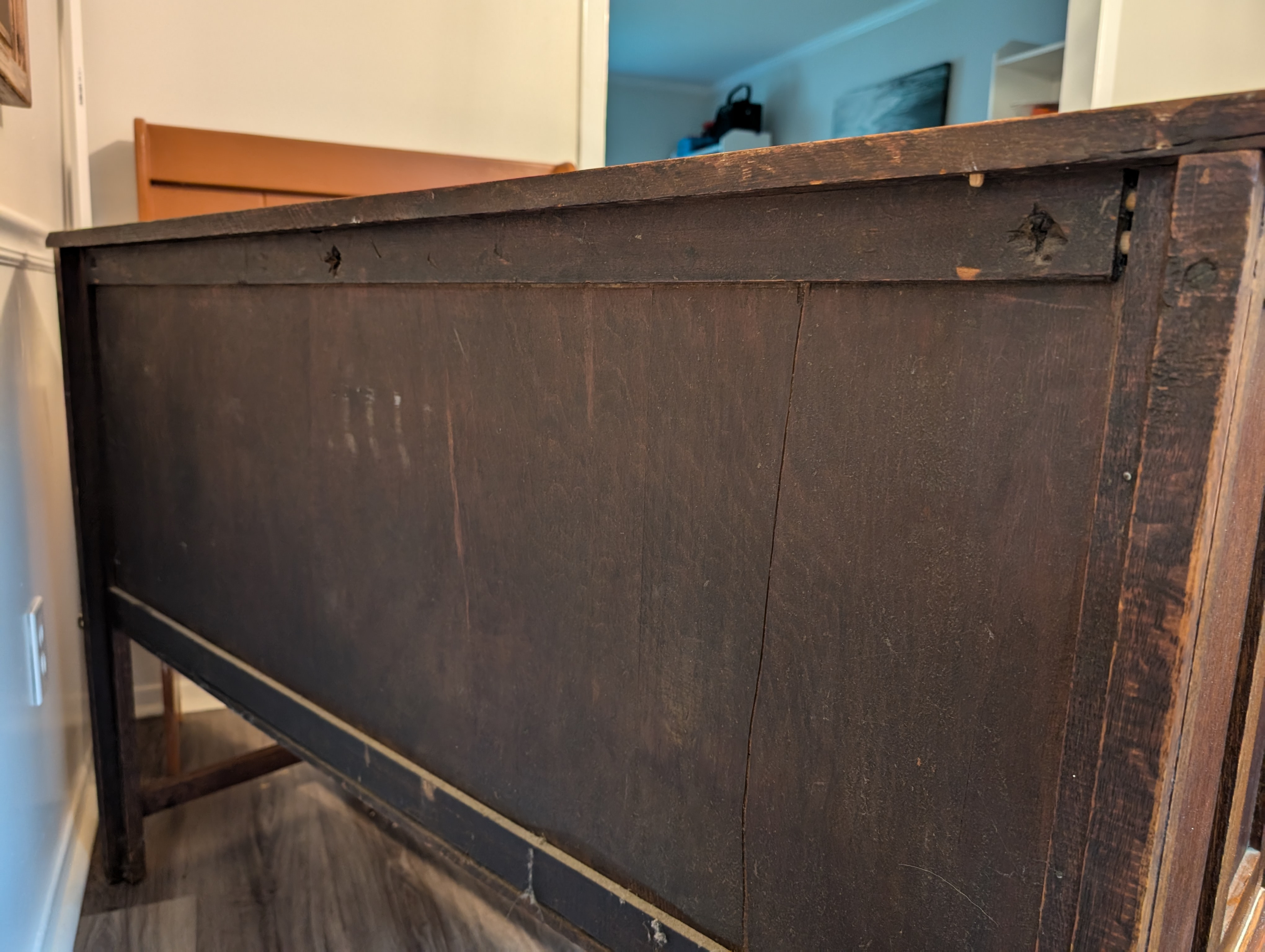
🔍 Click to enlarge and inspect marks, signatures, and condition detailsTap to zoom and inspect details
AI Appraisal
Description
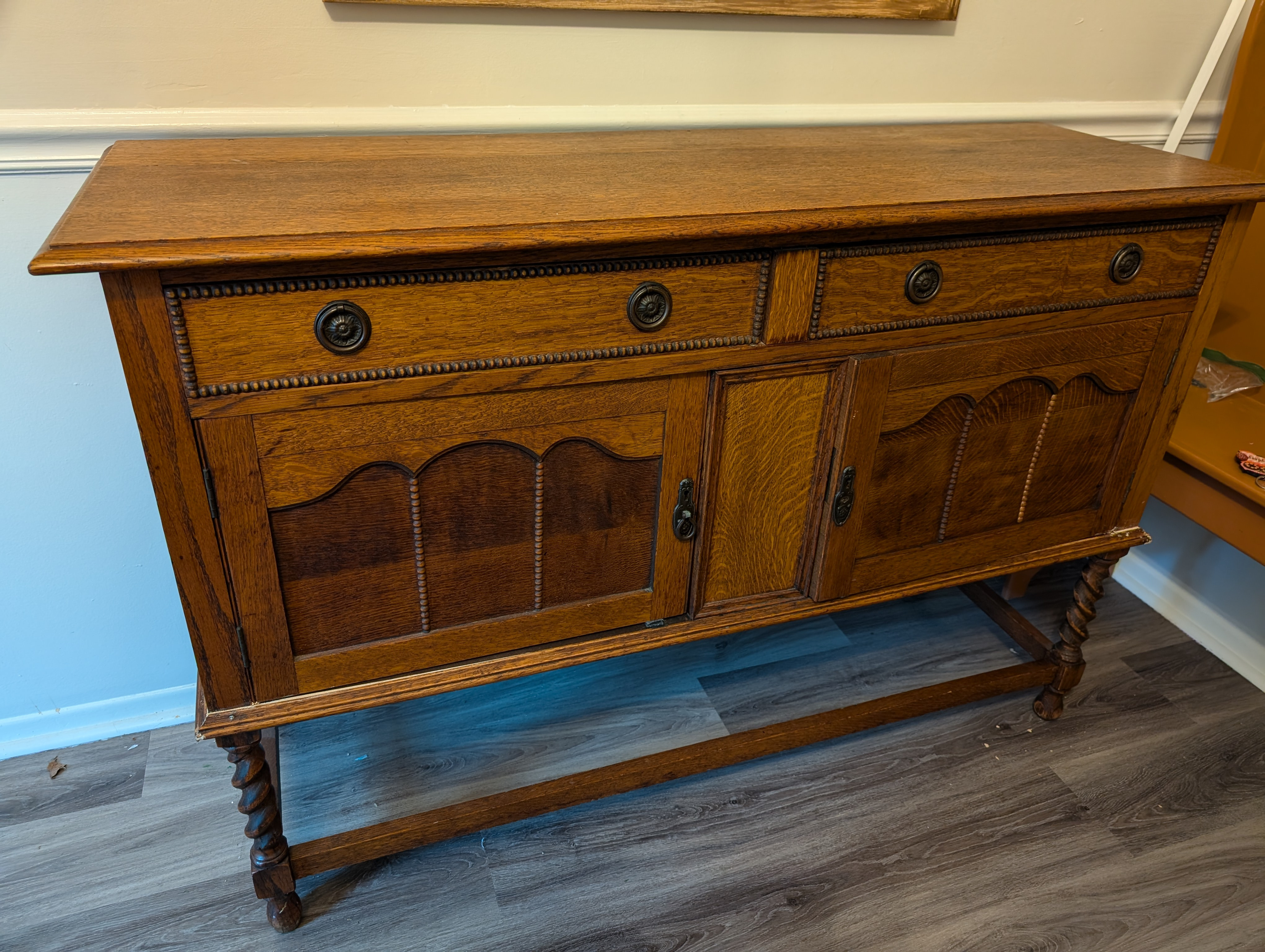
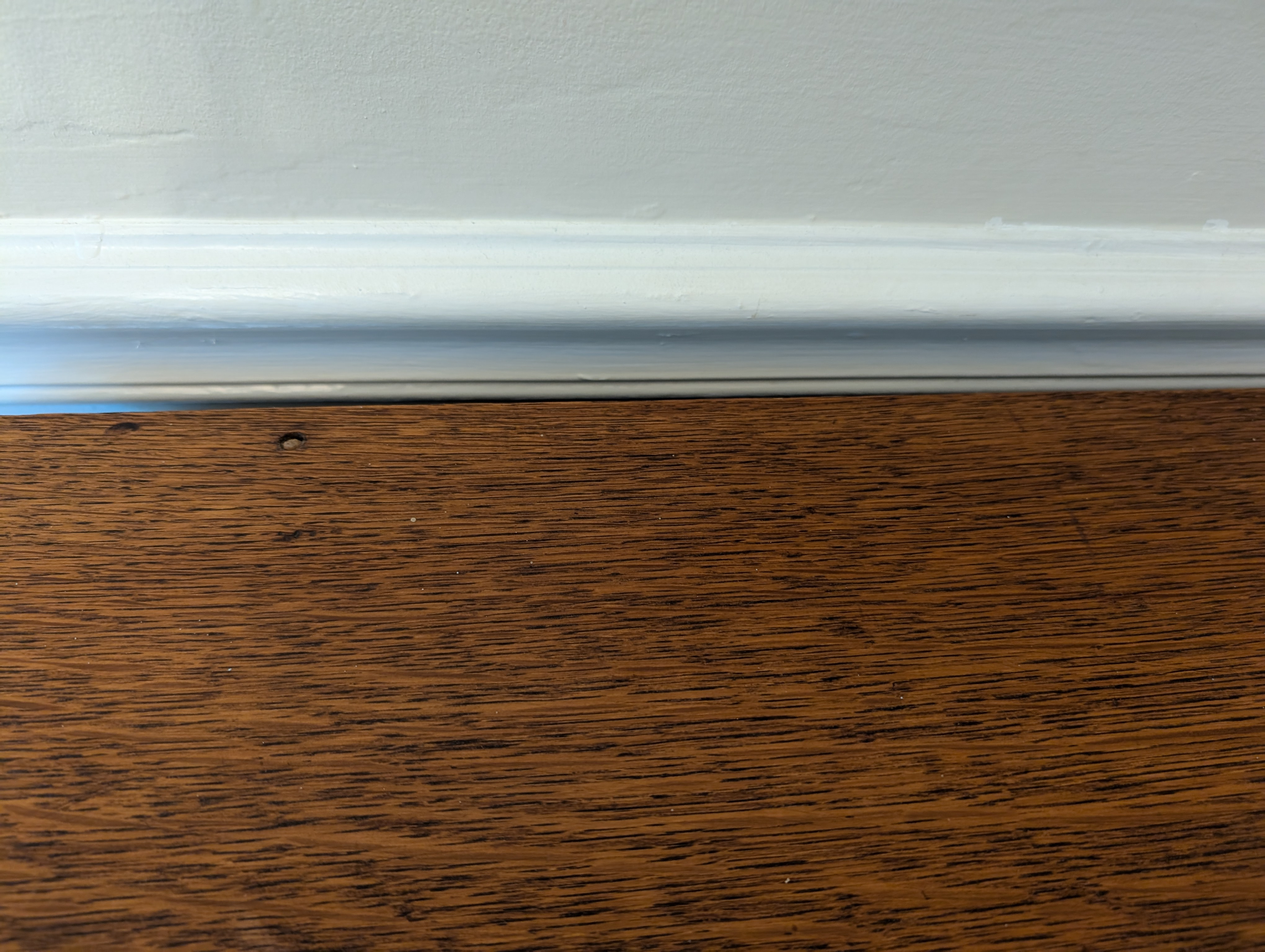
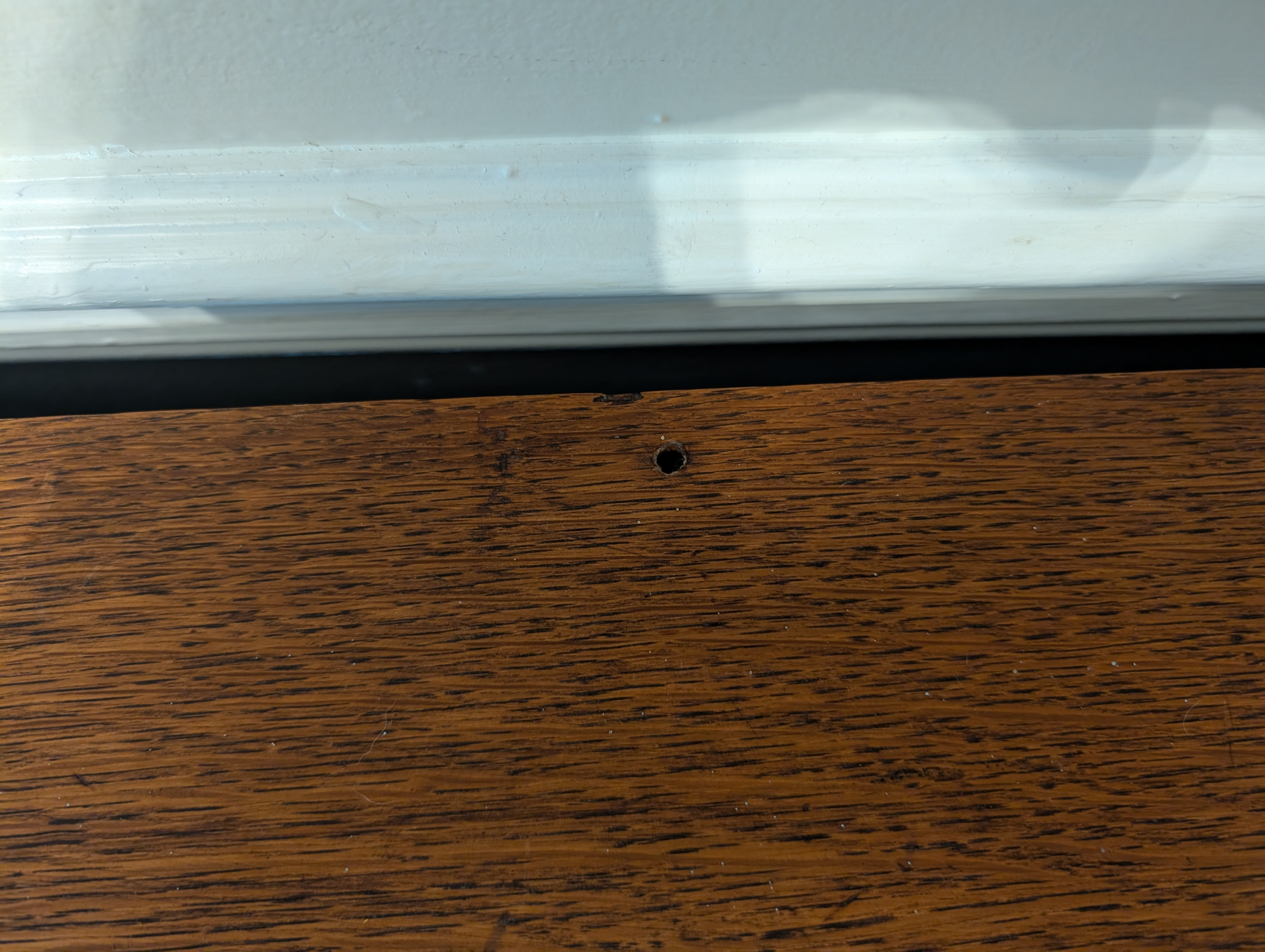
This appears to be a Jacobean Barley Twisted type sideboard/buffet. It seems to be missing the back top to it as there are three peg holes on the top and three indentation holes on the back. I am trying to see if this is a Jacobean Barley Twisted buffet or something else and what the value could be? I sell used furni
Category
Furniture
Medium
Wood
Distinguishing marks
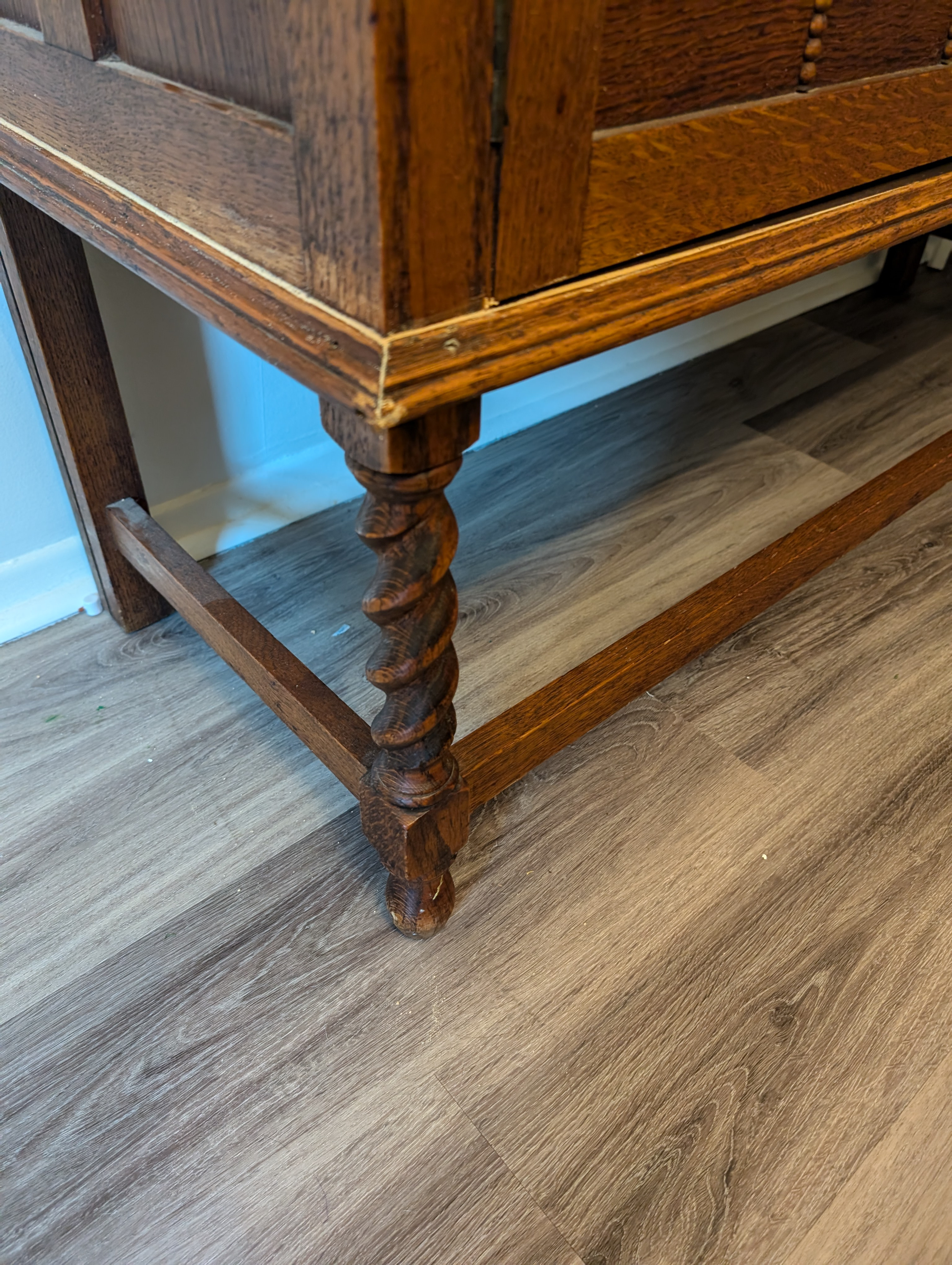
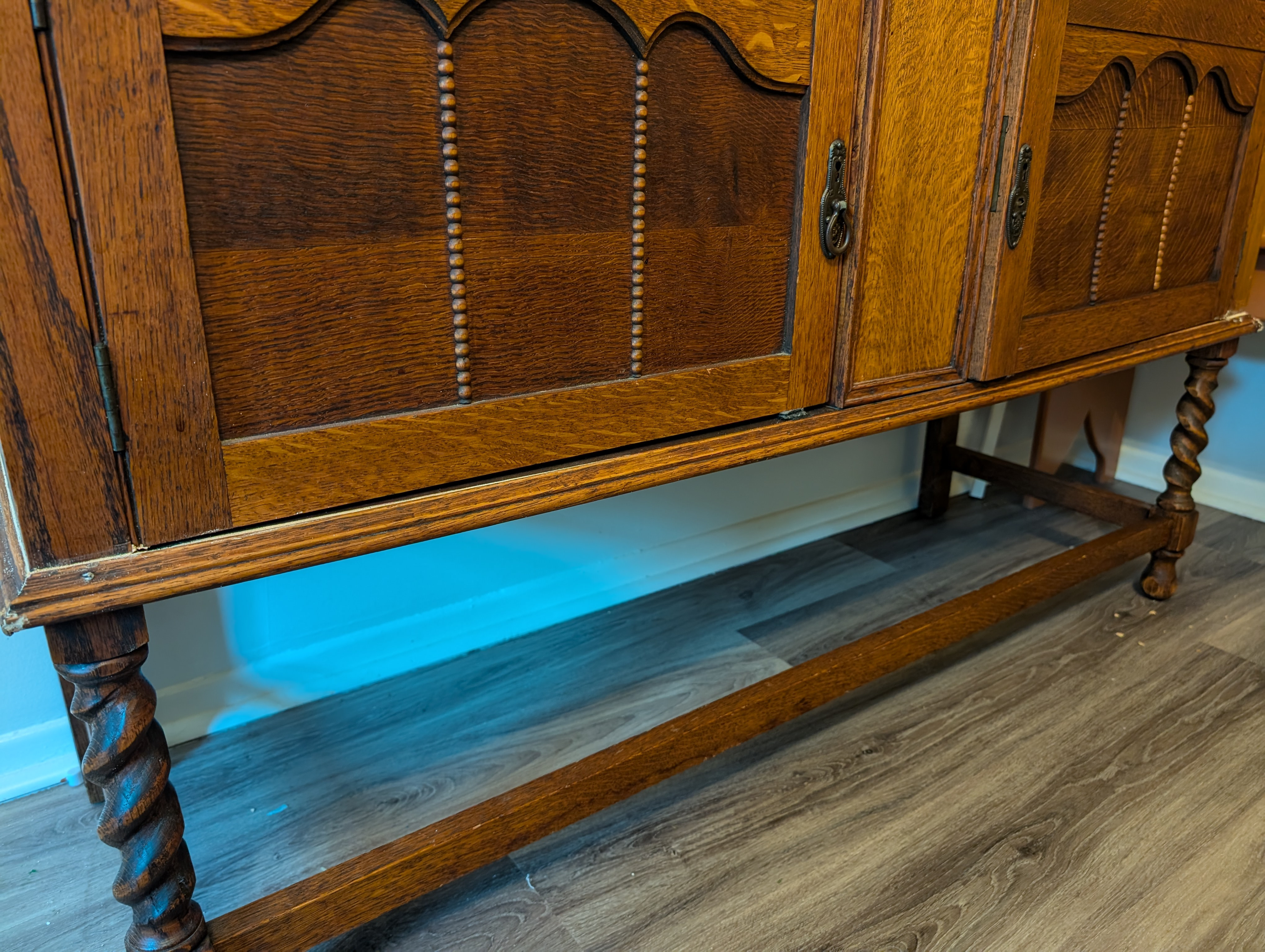
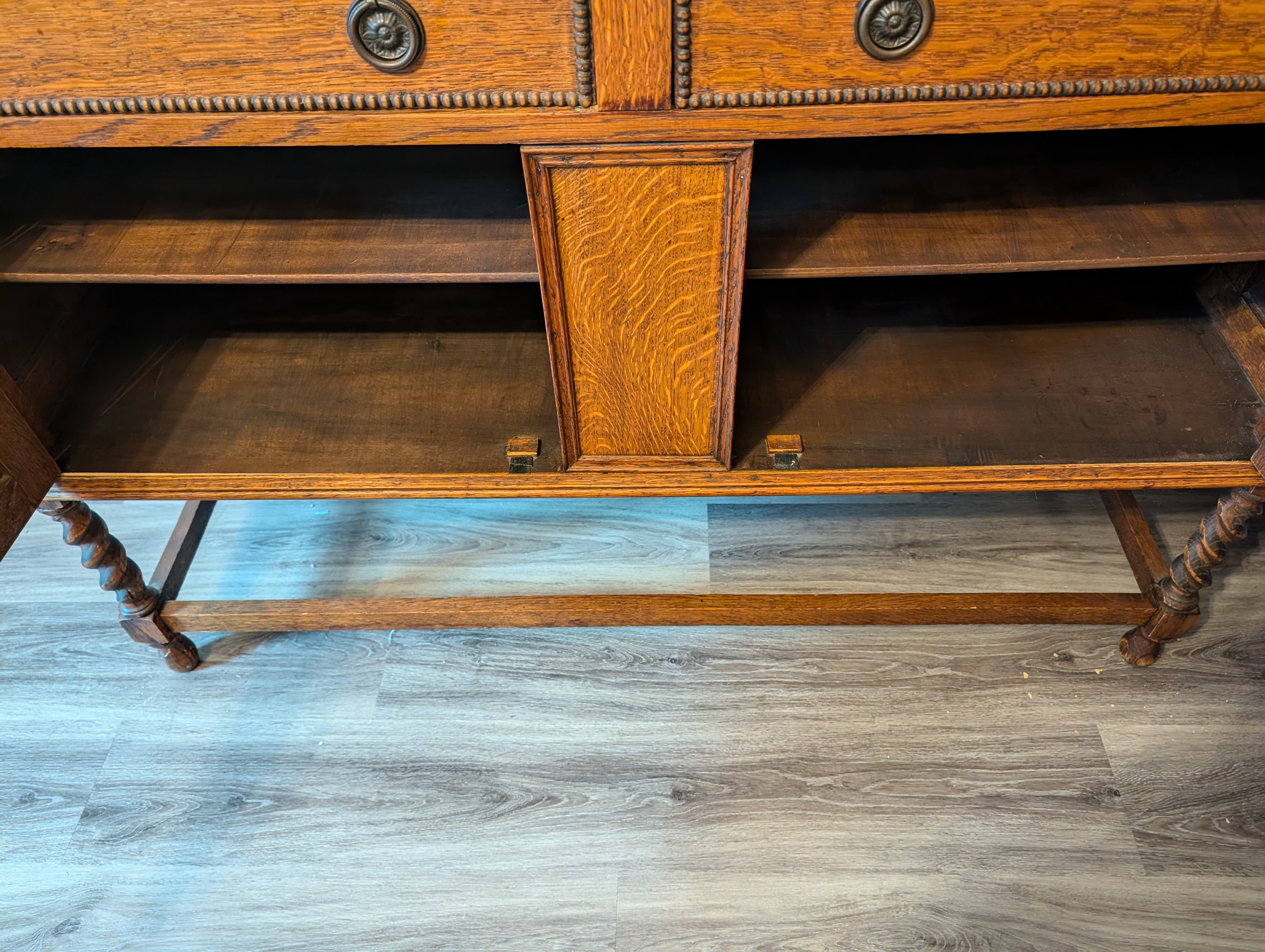
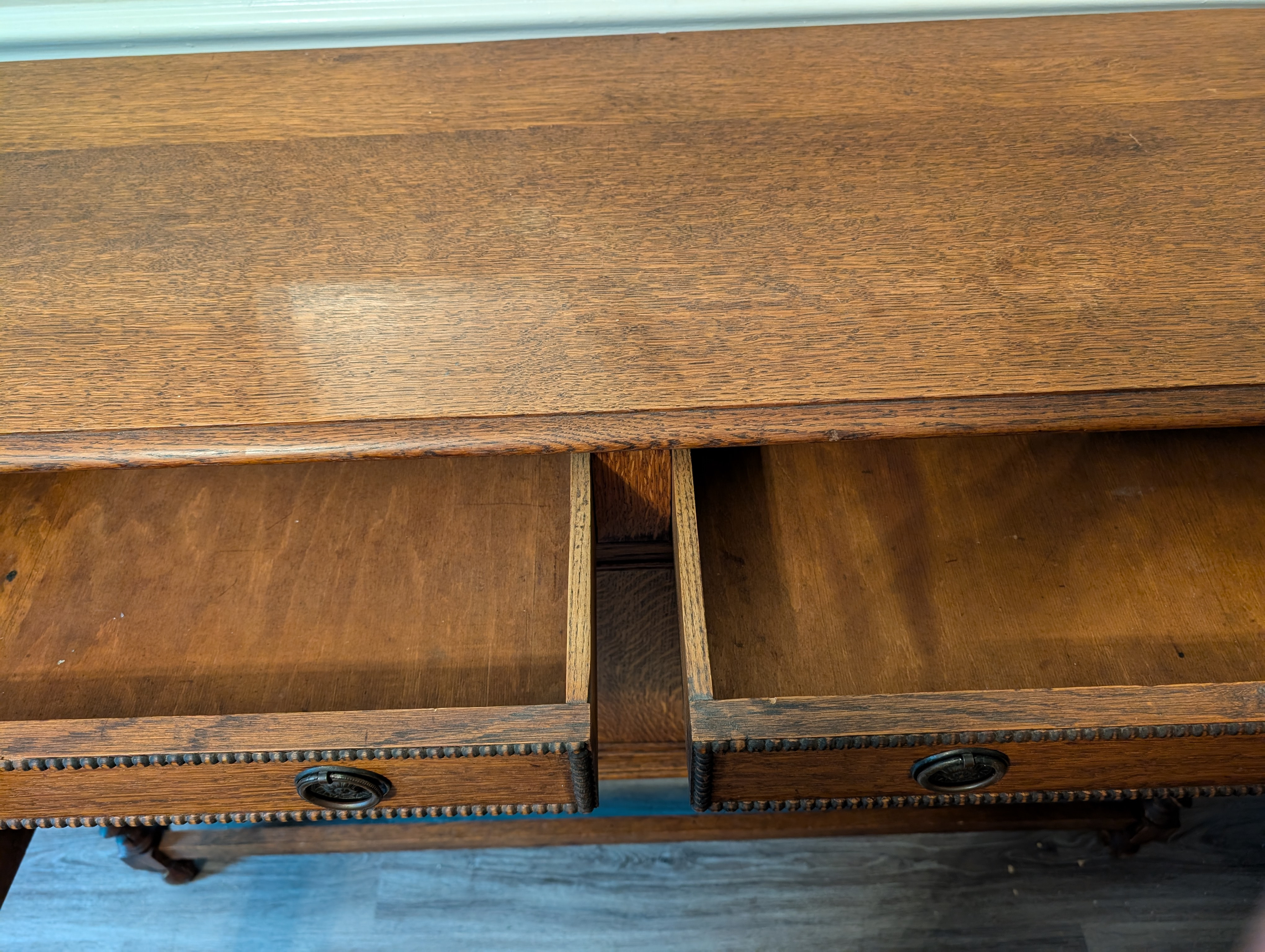
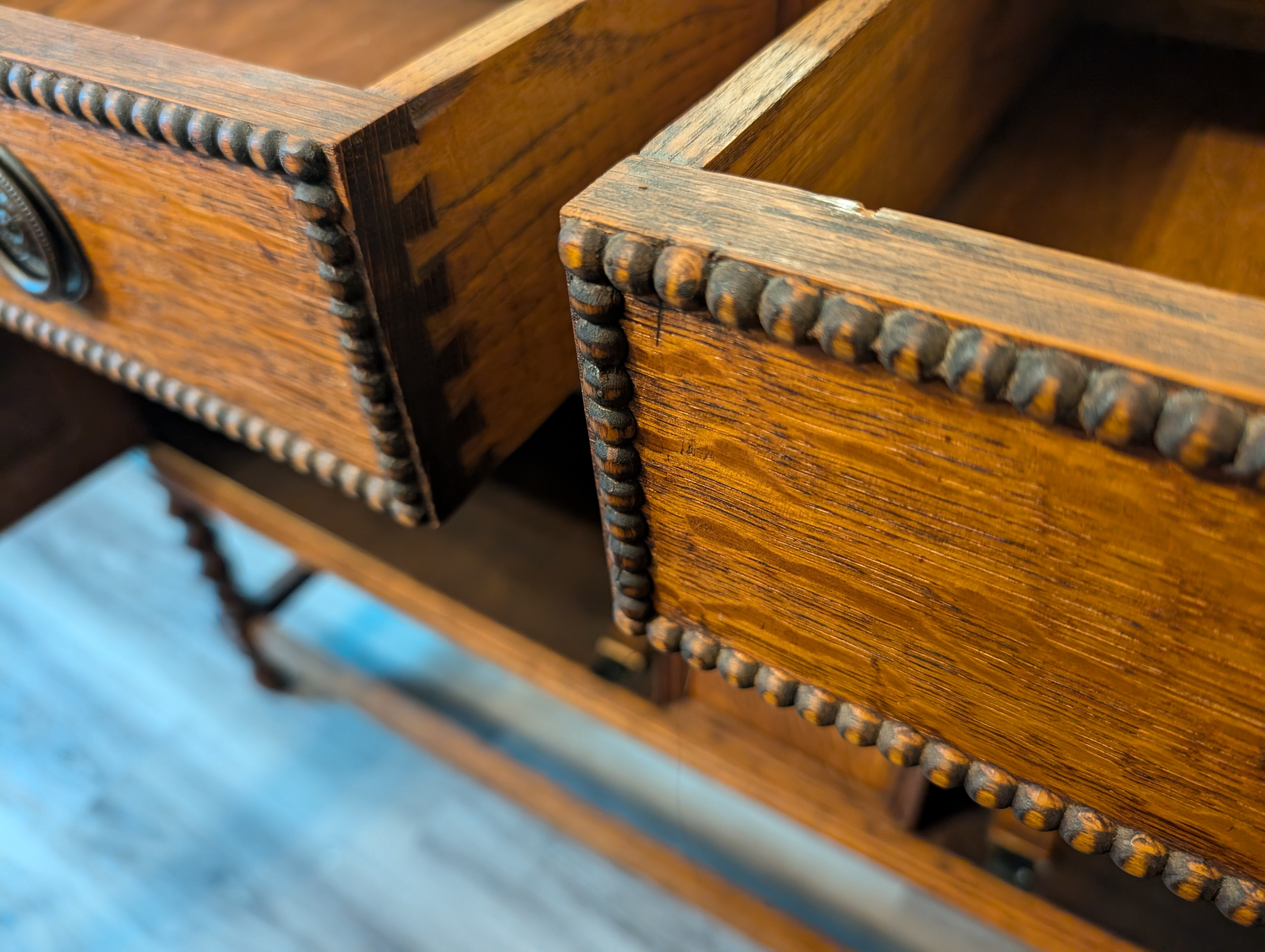
Twisted wood legs and decorative borders around the doors and drawers. Dovetail construction. Three peg holes on the top. I don't see any artist markings.
Condition
Good
Size and dimensions of this item
35.5" H x 54" L x 18.25"D
Date Period
Possibly early 20th century.
History
I do not know the history of this piece except that the people I bought it from acquired it themselves as an antique about 30 years ago.
Price Paid (If known)
$30
Collectors with this item
Want to appraise yours? Upload photos for a free appraisal →
⚠️ You have 1 free appraisal left today
Upgrade for 15-30/day →
Want more from your appraisals?
View Plans →
Upgrade for PDF reports, more daily appraisals, and ad-free experience.
Collector Discussion
Do you recognize this piece? Collectors often identify maker marks, share comparable sales, or suggest additional research steps.
Antique Jacobean Revival Barley Twist Sideboard/Buffet
Category: Antique Furniture
Medium: Solid oak (likely quartersawn)
Style: Jacobean Revival
Date: Early 20th century (circa 1915–1930)
Dimensions: 35.5" H x 54" W x 18.25" D
Condition: Good vintage condition with minor wear, small repairs, and evidence of missing rear gallery
Distinguishing Features:
Historical Context & Identification
This piece is a fine example of Jacobean Revival furniture, a style that surged in popularity in the early 20th century (especially during the 1910s–1930s) in both England and the United States. Inspired by 17th-century English Jacobean furniture, these revival pieces featured heavy oak construction, geometric carvings, and spindle or barley twist legs—seen prominently here.
The craftsmanship, particularly the dovetail joinery and wood selection (quartersawn oak), points to factory-made quality from the Arts and Crafts to Colonial Revival transition period. The holes and wear on the top suggest it originally had a plate rail or gallery back, which is now missing—common with furniture that has been re-used or refinished over the decades.
Value Estimate (as of June 2025)
Values for Jacobean Revival furniture can vary based on completeness, wood quality, and local interest. While not currently at peak demand in all markets, well-preserved pieces with ornate details like barley twist legs retain solid value among collectors and interior decorators.
Note: The missing rear gallery slightly reduces value but does not eliminate interest for decorative or practical use. Restoration of the back would further enhance saleability.
Collector Notes & Recommendations
Conclusion
You own a handsome early 20th-century Jacobean Revival sideboard that showcases quality craftsmanship and decorative appeal. Its condition is quite good for its age, and its stylistic features—particularly the barley twist legs and beading—make it desirable to collectors, decorators, and vintage furniture enthusiasts.
If you are interested in a formal appraisal for insurance or sale documentation, a professional antique furniture appraiser could offer additional support, especially for written certification.