


Click any image to enlarge
AI Appraisal
Description
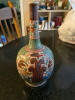
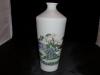
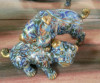
This is a beautiful textured vase Of Asian descent. If anyone knows the maker's Mark on the bottom It would be great appreciated. It is approx 6" tall. And if anyone know the value I would love to know.
Thanks!
Category
Ceramics and Porcelains
Medium
Porcelain, china
Distinguishing marks
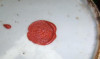
Circular mark on bottom
Condition
Excellent
Size and dimensions of this item
Approx. 6" tall
History
Purchased from estate sale and collect Asian pottery and art glass. Seller unsure of item.
⚠️ You have 1 free appraisal left today
Upgrade for 15-30/day →
Want more from your appraisals?
View Plans →
Upgrade for PDF reports, more daily appraisals, and ad-free experience.

Re: Beautiful vase Japanese or Chinese? Cloisonné? Not sure...
The decorating technique is what's called "Moriage", which was first used on Japanese Satsuma pottery, but can be found on Chinese pieces as well. Without a recognizable marking most have very modest values, often less than $100.00.
Re: Beautiful vase Japanese or Chinese? Cloisonné? Not sure...
Hello,
This is a modern chinese reproduction of a Satsuma-style vase, produced in the last 5 years.
The red makers mark on the base is from the factory in China where this piece was produced.
Satsuma ware is frequently copied these days, although it is rather easy to tell the difference between real and fake pieces. If you look up "Kinkozan" and "Yabu Meizan" on Google, you will find some real A++++ quality pieces of Satsuma ware.
Regards,
Jordan.