
Click any image to enlarge
AI Appraisal
Description
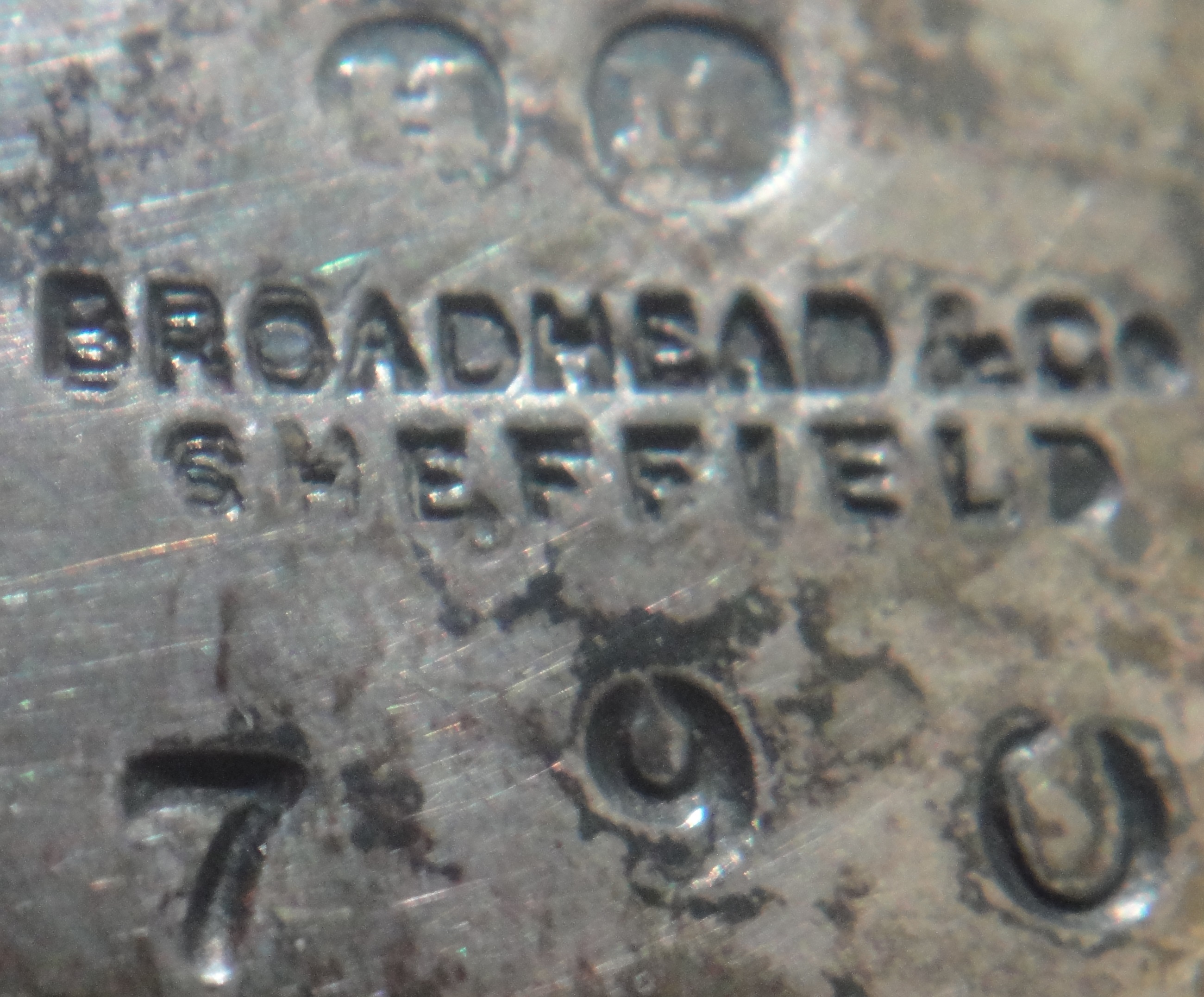
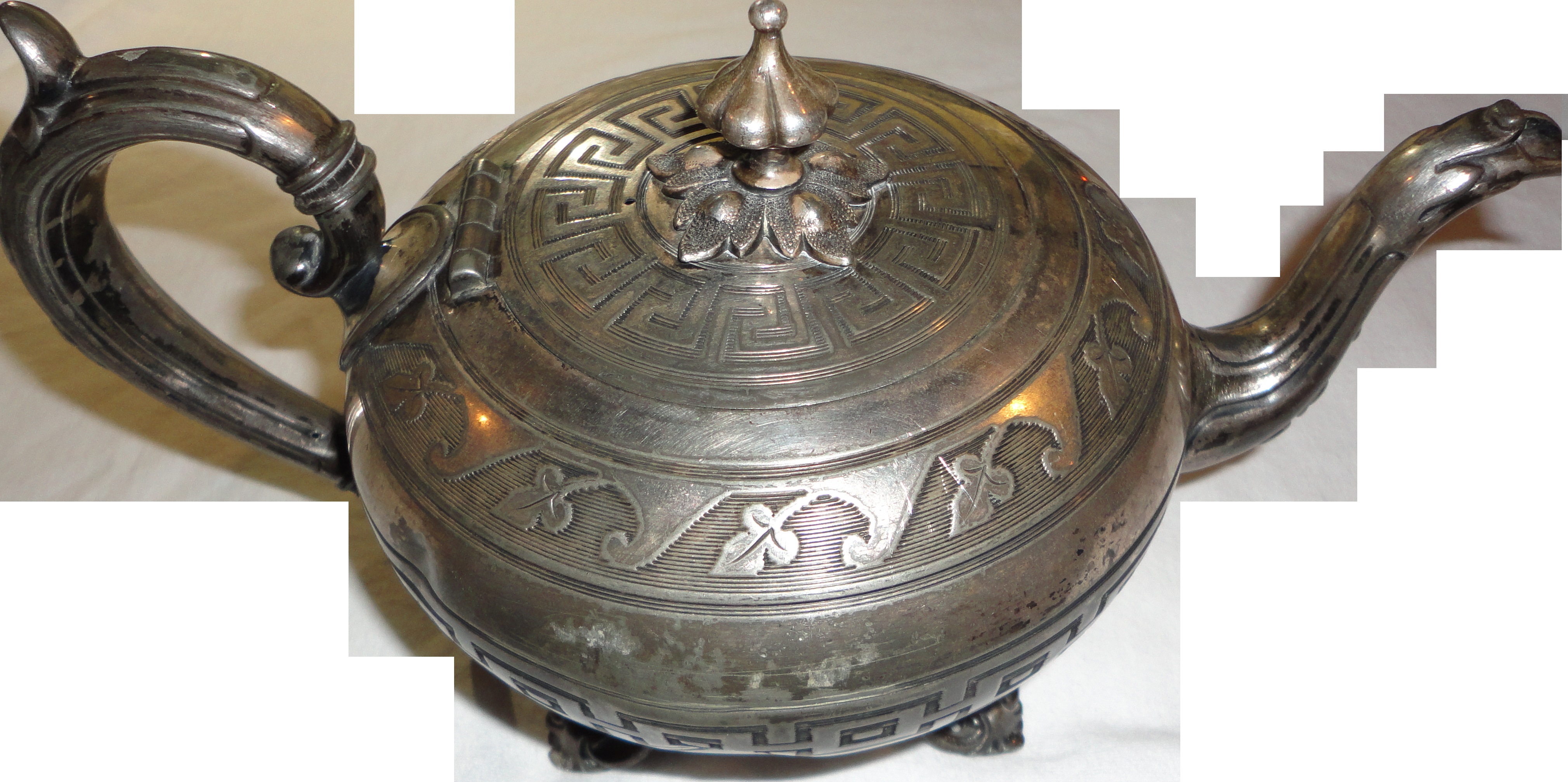
I dont have much information on this Tea Kettle which is why i am creating this posting. The kettle seems to be Pewter or Plated Silver. The bottom of the kettle has the following markings:
(H) (M)
Broadhead & Co
Sheffield
790
3
Reasearch on Broadhead and Co- Sheffield indicated to me that this was more of a silver piece from England. However, when i try to find information about the HM initials, I am unable to find anything definitive and would like to establish some sort of value for the item.
Category
Metalware
Medium
Silver Plated or Pewter. Unknown for sure.
Distinguishing marks
HM
Broadhead & Co
Sheffield
790
3
Broadhead & Co
Sheffield
790
3
Date Period
1850-1900??
⚠️ You have 1 free appraisal left today
Upgrade for 15-30/day →
Want more from your appraisals?
View Plans →
Upgrade for PDF reports, more daily appraisals, and ad-free experience.

Re: Broadhead & Co Sheffield Tea Kettle
OK, firstly you should know that it is a tea POT. Being English I know these things without even having to think about it. The handle has two inserts of some other material (this is to stop the transmission of heat from the pot into the handle) and you should examine the pot and try to determine what the material is. Older pots will use bone or Ivory, later ones Bakelite and other synthetic non conductors. 925 is the modern british standard for silver (a little higher than the American sterling) and so I would not rule out the possibility of it being low grade silver. If it is old and plated you may be able to make out the base metal comming through due to wear. Give it a good polish with the appropriate silver cleaner from your local store and then examine high wear areas for colour change or the appearance of 'staining'. It is also worth remembering that tea was once a luxury item and the older the teapot the smaller it will be.
Poss: Late Broadhead & Atkin