Carved Chinese Apple Pendant
R
5 months ago
AI Appraisal
Description

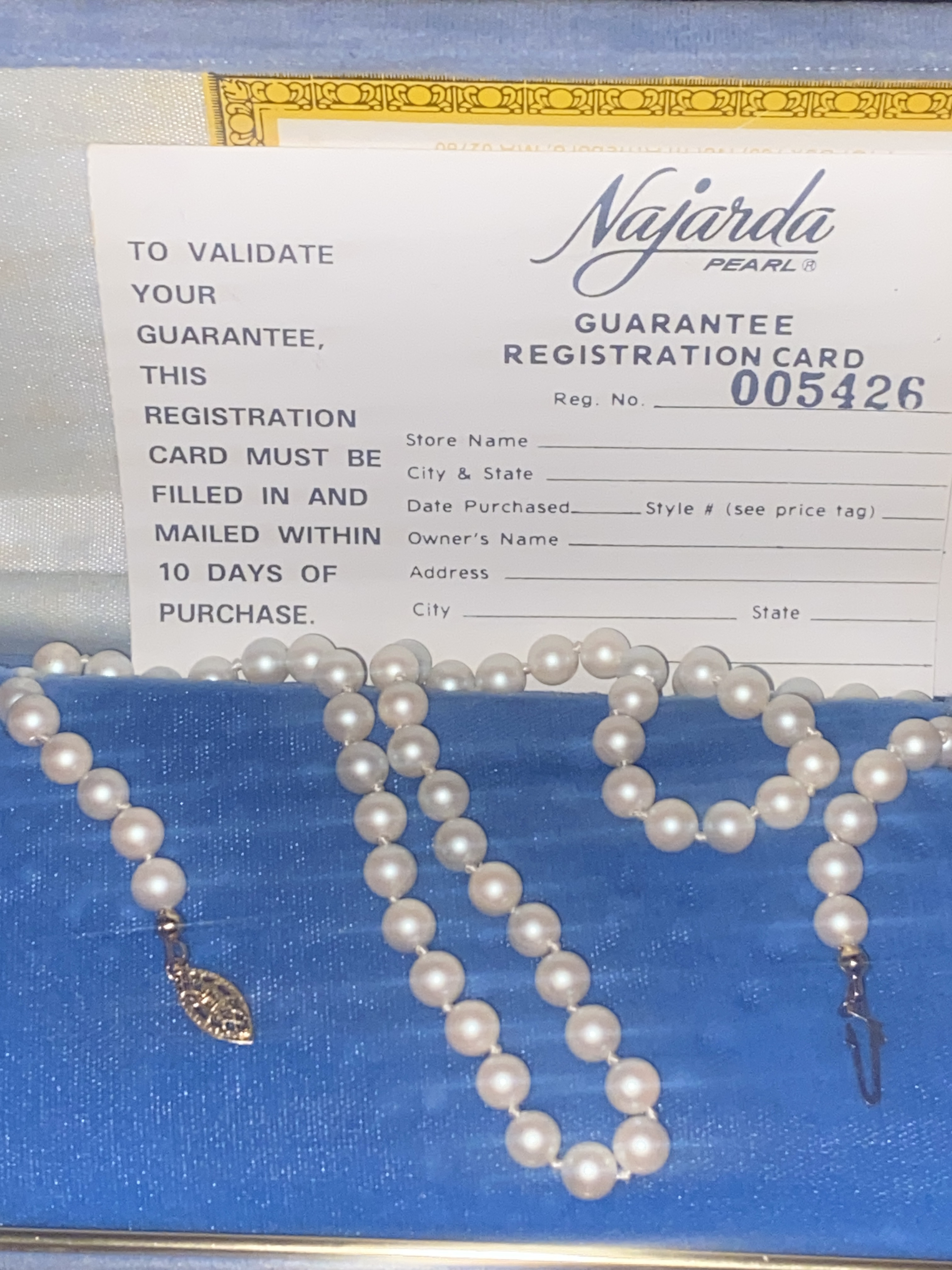
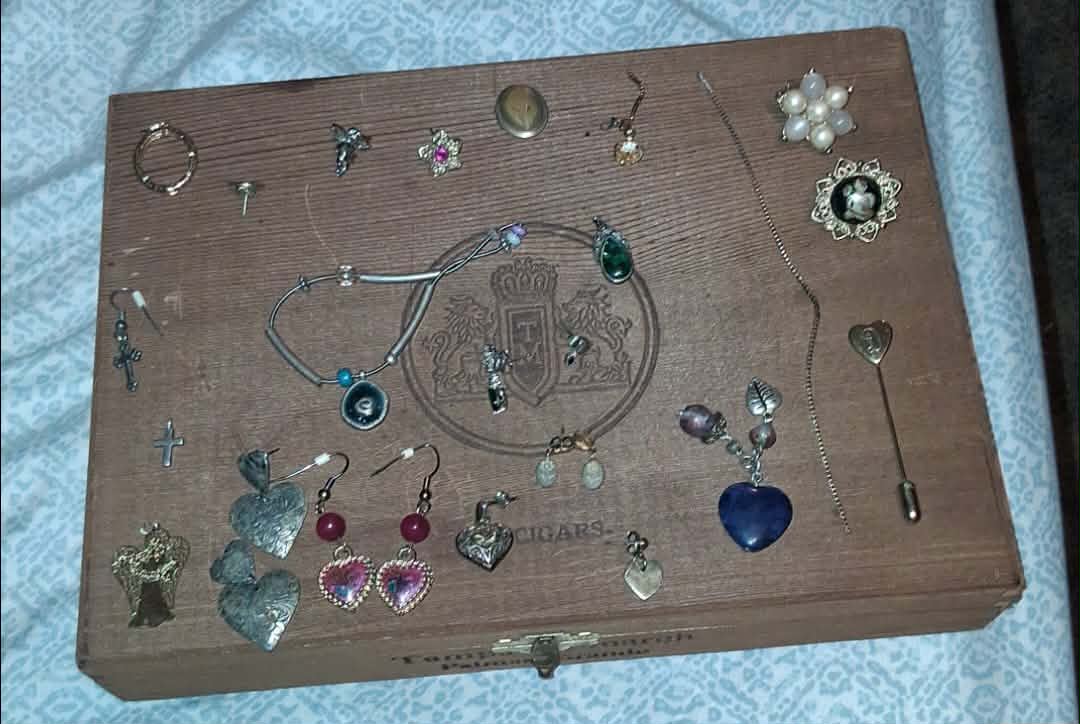
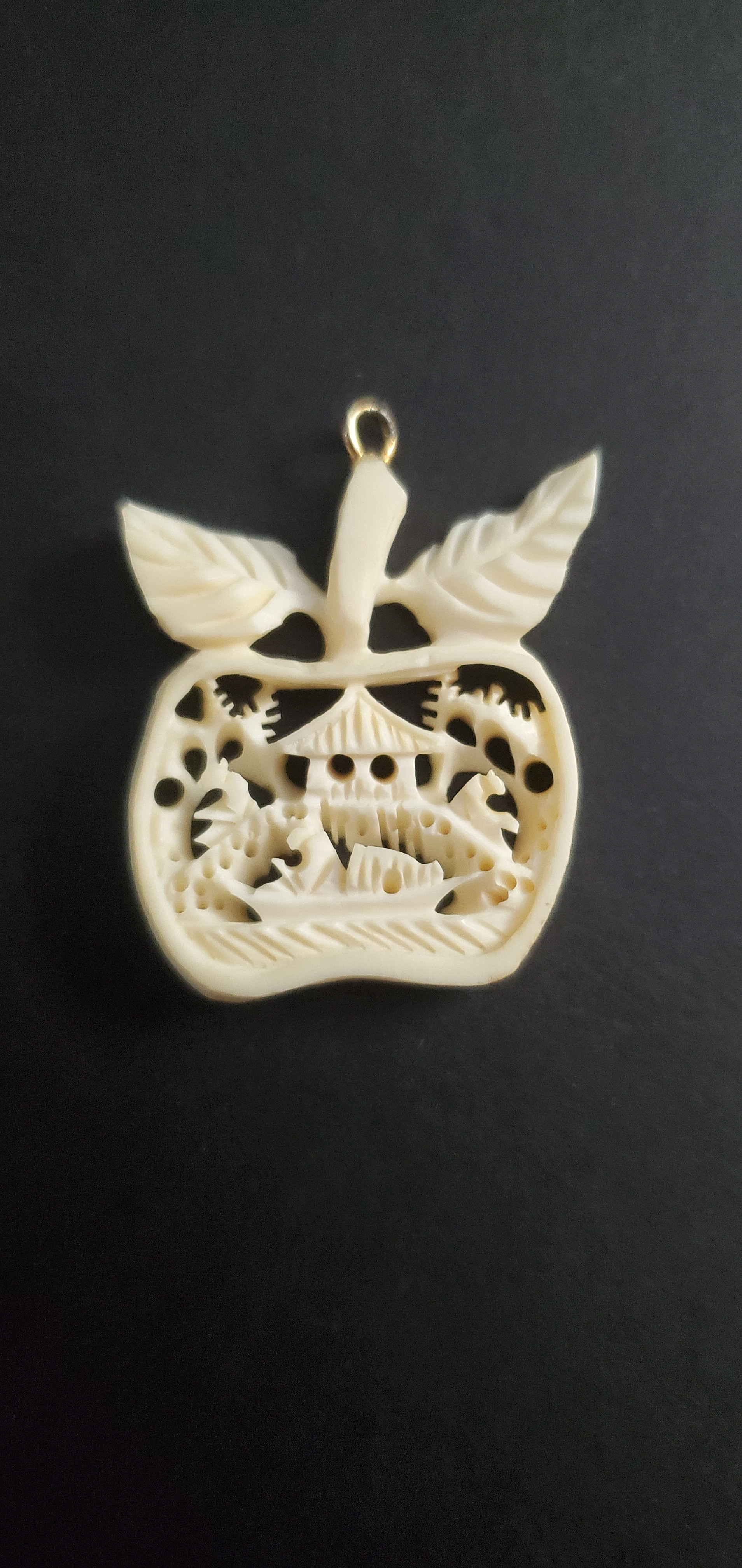
It is a necklace pendant that looks to be from China or Japan depicting a scene from China or Japan. Piece is in excellent condition. There are no chips, cracks, breaks or wear on the pendant. It looks to be made out of bone or ivory material. Could also be plastic in nature. Can't tell any information about it, similar pictures carved online at different places but nothing directly the same. The entire pendant is carved in the shape of an apple. 

Category Jewelry and Gemstones
Medium Bone or ivory material, an antique white coloring.
Distinguishing marks There are no distinguishing marks anywhere on the pendant. I do not know anything about what it is made of and or when/by who it was created.
Condition Excellent
Size and dimensions of this item 1"×1.5"×quarter of an inch thick
Weight Very very light
History No known history of the piece
Want more from your appraisals?

Upgrade for PDF reports, more daily appraisals, and ad-free experience.

View Plans →

Submitted by Rhianna25

Looking to have this item assessed to see if it is worth anything significant or anything all. I Do not know any information on this piece. From the looks of it is a rare find, but that is why I am here to find out anything I can on it. 

Submitted by NaidaTheCollector

🔍 ITEM REPORT

Object Description

This is a hand-carved pendant, shaped like an apple with two leaves and a loop for wearing as a necklace. The interior is intricately pierced and carved in relief, depicting a traditional East Asian architectural scene, likely a pagoda amidst trees, hills, and a stylized landscape.

  • Medium: Unconfirmed, likely bone, faux ivory (celluloid or resin), or potentially real ivory. More below.
  • Dimensions: Approx. 1.5" wide x 1" tall x 1/4" thick.
  • Weight: Very lightweight.
  • Condition: Excellent – no visible chips, cracks, or wear.
  • Style: East Asian export or souvenir-style carving, likely mid-20th century or earlier.

🧬 MATERIAL ANALYSIS (Bone vs Ivory vs Plastic)

Based on photos:

Trait

Analysis

Color

Warm antique white, suggestive of bone or ivory

Detail

Very fine, crisp carving – consistent with handwork or high-quality mold

Back surface

Slight unevenness and carving holes suggest manual carving, less likely molded plastic

No Schreger lines (cross-hatching seen in ivory) visible

Possibly bone or faux ivory (resin or celluloid), but this could be due to image quality

Pores or grain

Bone often shows small dark pores or "grainy" channels – these aren't clearly visible


➡️ Conclusion: Most likely carved bone or high-quality faux ivory resin. It is less likely to be real elephant ivory, but cannot be ruled out without a close examination or testing under UV light (ivory fluoresces white-blue; bone dulls; plastic may fluoresce brightly).

For a definitive identification:

  • A jeweler, natural history museum, or antique ivory expert with a blacklight or microscope can confirm.
  • You can also try the hot pin test in an inconspicuous area (plastic will smell and melt; bone/ivory will not), but this can damage the piece and is not recommended if you plan to sell it.

🌏 ORIGIN & HISTORY

Likely Origin:

  • Most likely Chinese, based on the style of landscape and architecture (pagoda, mountain/river scenery).
  • The apple shape may symbolize peace, prosperity, or harmony, as apples are auspicious in Chinese culture.
  • Export piece or tourist art, likely mid-20th century (1950s–1970s), though possibly earlier.

Carving Style:

  • Pierced (openwork) carving is a traditional method in both Chinese and Japanese art, often seen in ivory netsuke, bone jewelry, and souvenir pendants.
  • The use of traditional scenery inside modern/Western shapes (e.g., an apple) was common in post-war export goods for Western markets.

💰 ESTIMATED MARKET VALUE (2025)

Market

Estimate

General vintage jewelry

$30–$75 USD if bone or resin

Antique shops / Etsy / eBay

$75–$150 USD if confirmed bone with hand carving

If genuine ivory and confirmed antique (pre-1947)

$150–$300+ USD, but resale is restricted in many places due to wildlife protection laws


⚠️ LEGAL NOTE ON IVORY

If this turns out to be real ivory, please be aware:

  • Interstate and international sale of elephant ivory is highly restricted or illegal in many jurisdictions (U.S., EU, etc.).
  • You may need proof of age or origin (pre-1947 in U.S.) to legally sell it.
  • Bone and resin replicas are not regulated.

✅ RECOMMENDATIONS

  • For authentication: Have it inspected by a qualified appraiser or jeweler with experience in antique ivory and bone.
  • For resale: If bone or resin, consider listing on Etsy, eBay, or RubyLane. Highlight craftsmanship and condition.
  • Price point for listing: If selling now as-is without authentication, a fair price would be $75–$125 USD, assuming it is bone.
📸 Quick Scan
Garage-Sale Mode Fast appraisals on the go