
Click any image to enlarge
AI Appraisal
Description
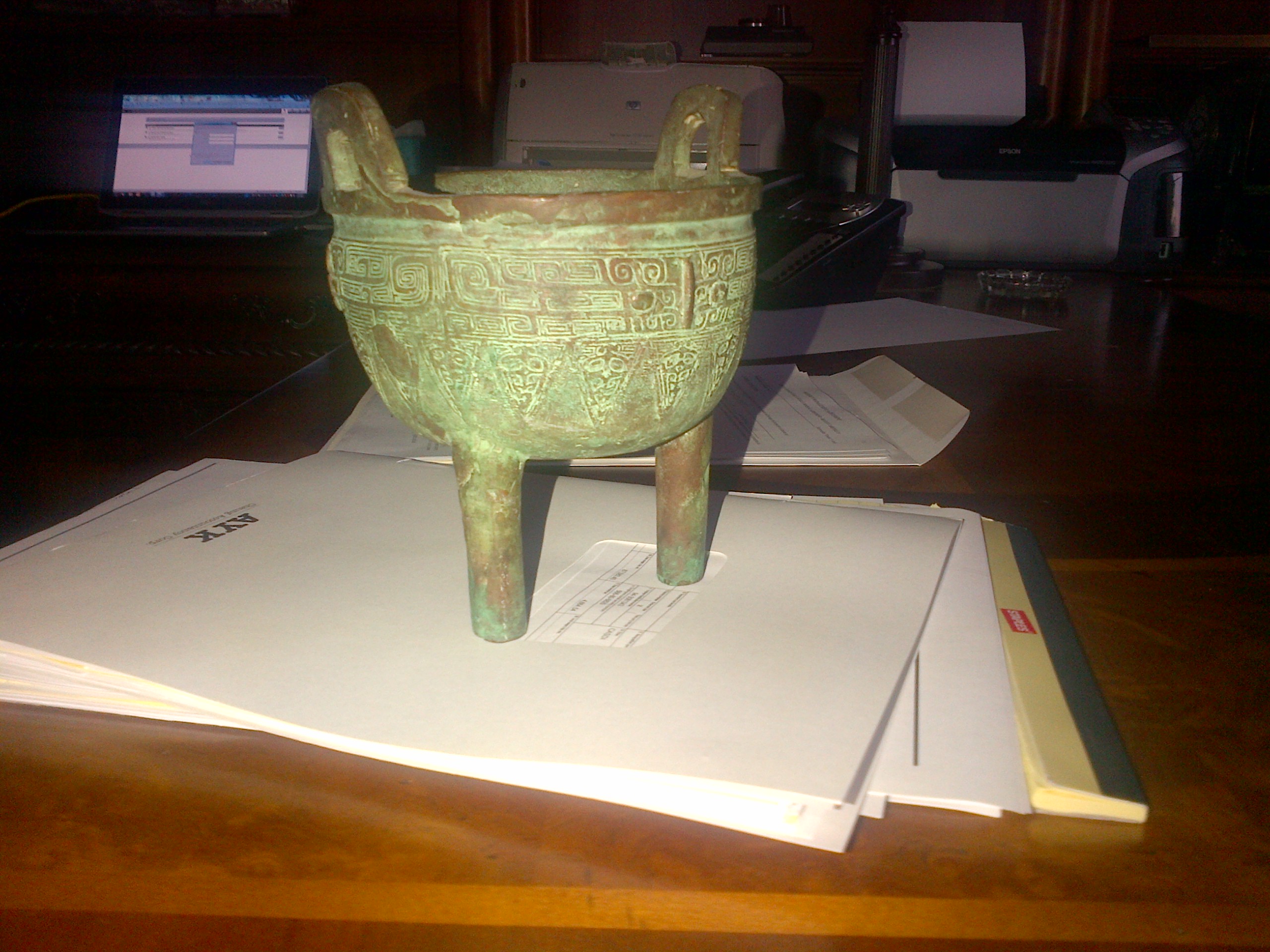
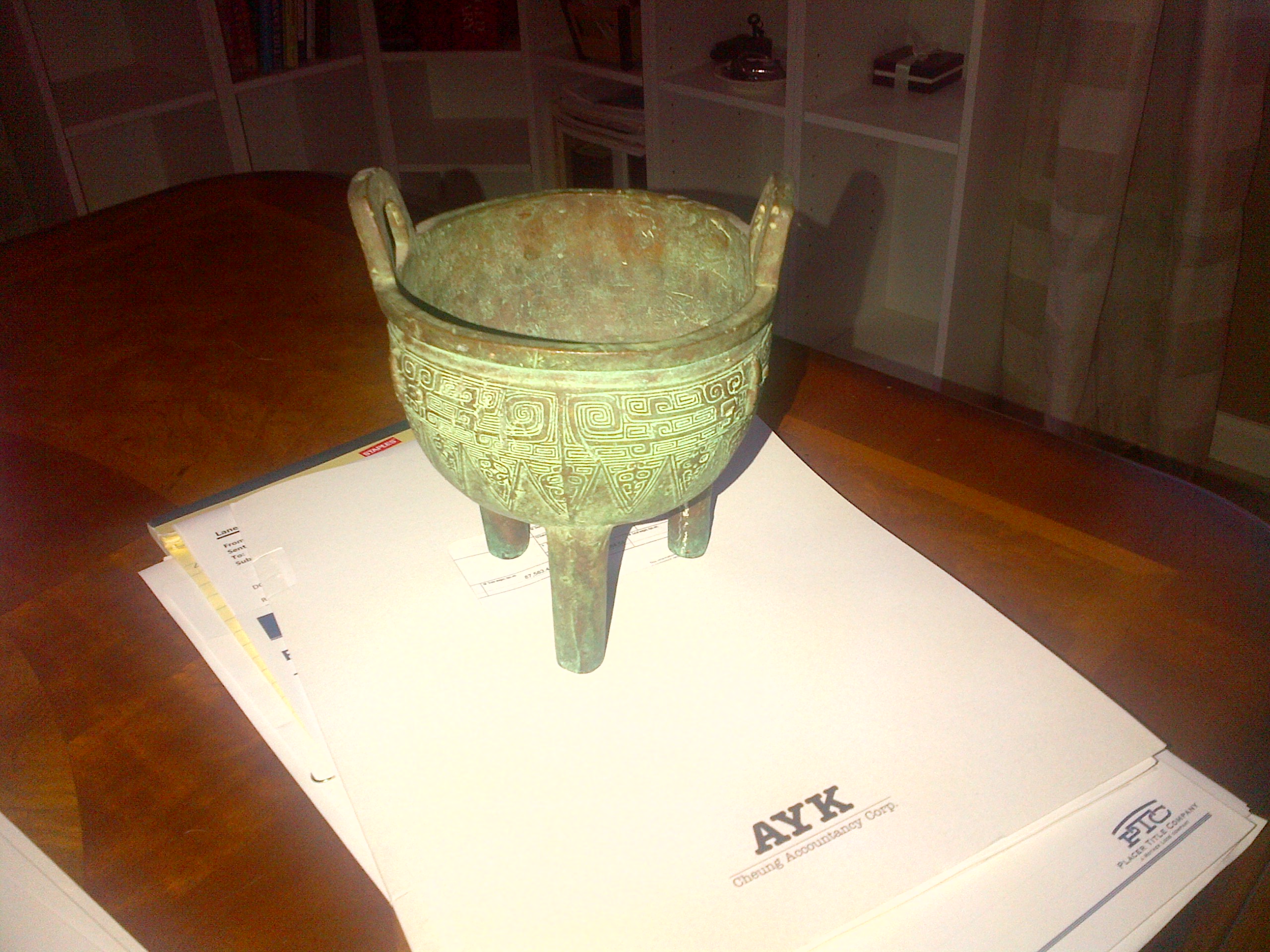
This pot is about 3 inches in diameter, it is round, about 4 inches high and sits on 3 legs. It has a green patina with chinese markings. I have had it for about 25 years, it also has two loop handles on each side
Category
Metalware
Medium
I think copper
Distinguishing marks
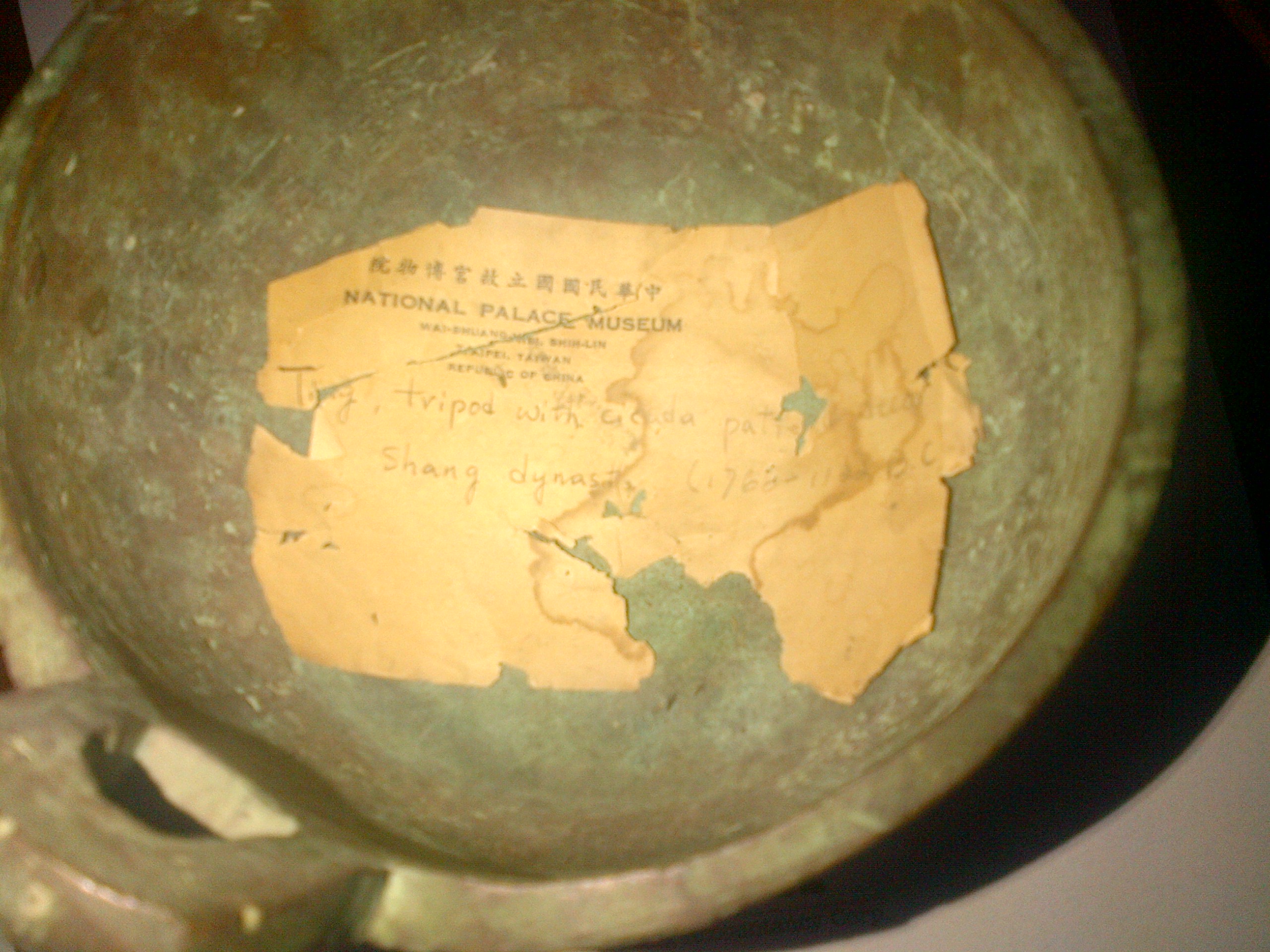
yes, in chinese
Condition
Excellent
Size and dimensions of this item
3X4 round
Date Period
unknown
Weight
2lbs maybe
History
I bought it years ago in a "reused" items shop for a flower vase
Price Paid (If known)
10.00 in a reused shop
⚠️ You have 1 free appraisal left today
Upgrade for 15-30/day →
Want more from your appraisals?
View Plans →
Upgrade for PDF reports, more daily appraisals, and ad-free experience.



Re: Chinese Copper Pot with 3 legs (green patina)
Recorded history in China begins with the Shang dynasty. Scholars today argue about when the dynasty began, with opinions ranging from the mid-18th to the mid-16th century B.C.E. Regardless of the dates, one event more than any other signaled the advent of the Shang dynasty — the Bronze Age.
It was during the Shang dynasty that bronze working became common. Thousands of artifacts from the ruins of Yin, the last capital of the Shang, were unearthed in the late 1920s and '30s. Bronze vessels for drinking were used in ritual ceremonies, while bronze chariots and axes were used in battle. As the metal was associated with royalty, the tombs of Shang kings contained hundreds of small bronze objects, even including hairpins
Ding (Chinese: 鼎, dǐng), formerly romanized as ting, were prehistoric and ancient Chinese cauldrons, standing upon legs with a lid and two facing handles. They were made in two shapes: round vessels with three legs and rectangular ones with four. They were used for cooking, storage, and ritual offerings to the gods or to ancestors.
I won't even try and pretend I can put a price on this.. If it is real, and I think it is.. it could mean you can retire now.. Please get a Appraiser here and pay for it. also send a photo the www.christies.com
If you find out this is worth $500.000, its ok with me if you send me a kick back,,(I'm making a funny)..Good Luck
Re: Chinese Copper Pot with 3 legs (green patina)
think its an insence pot