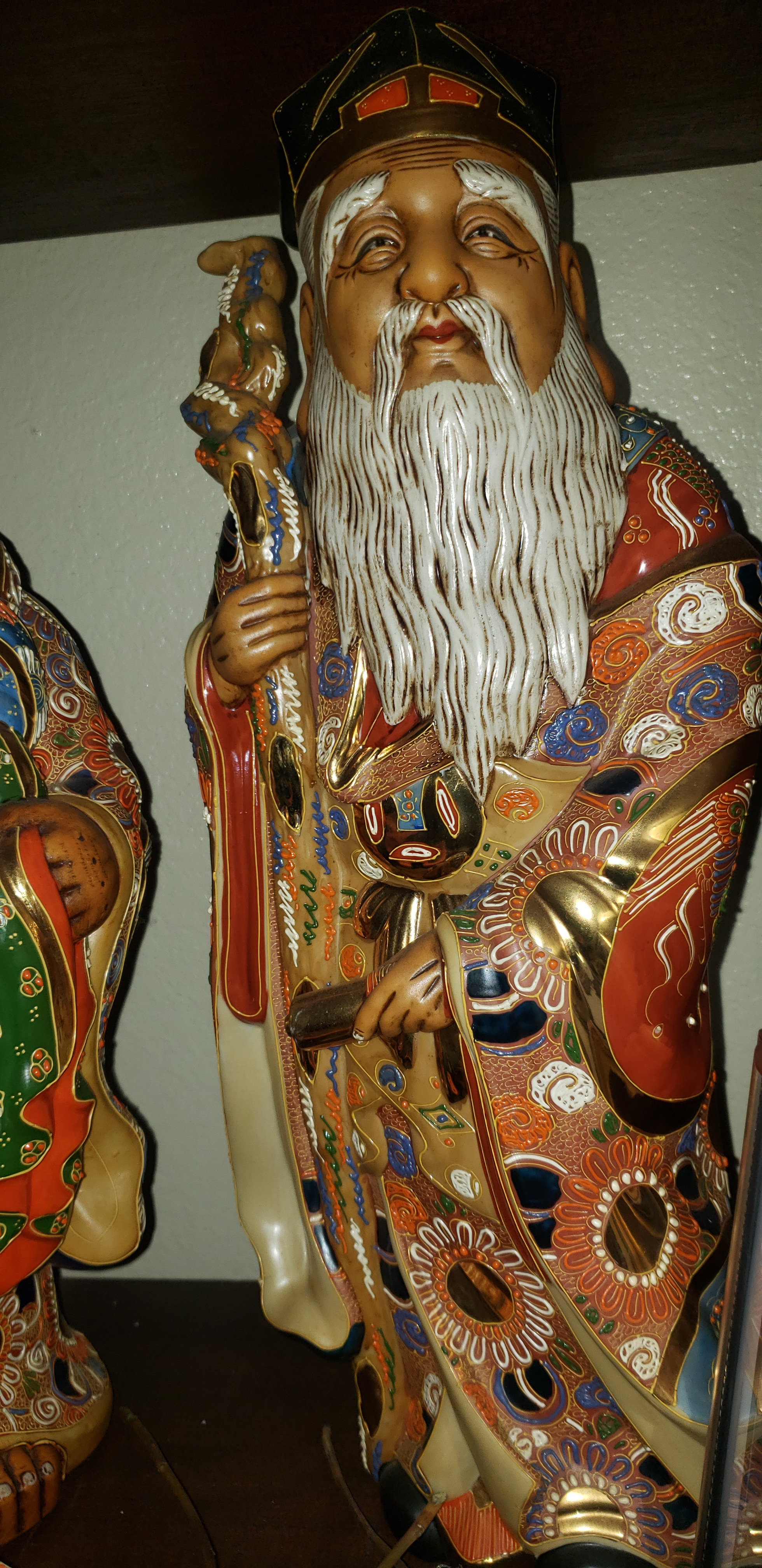
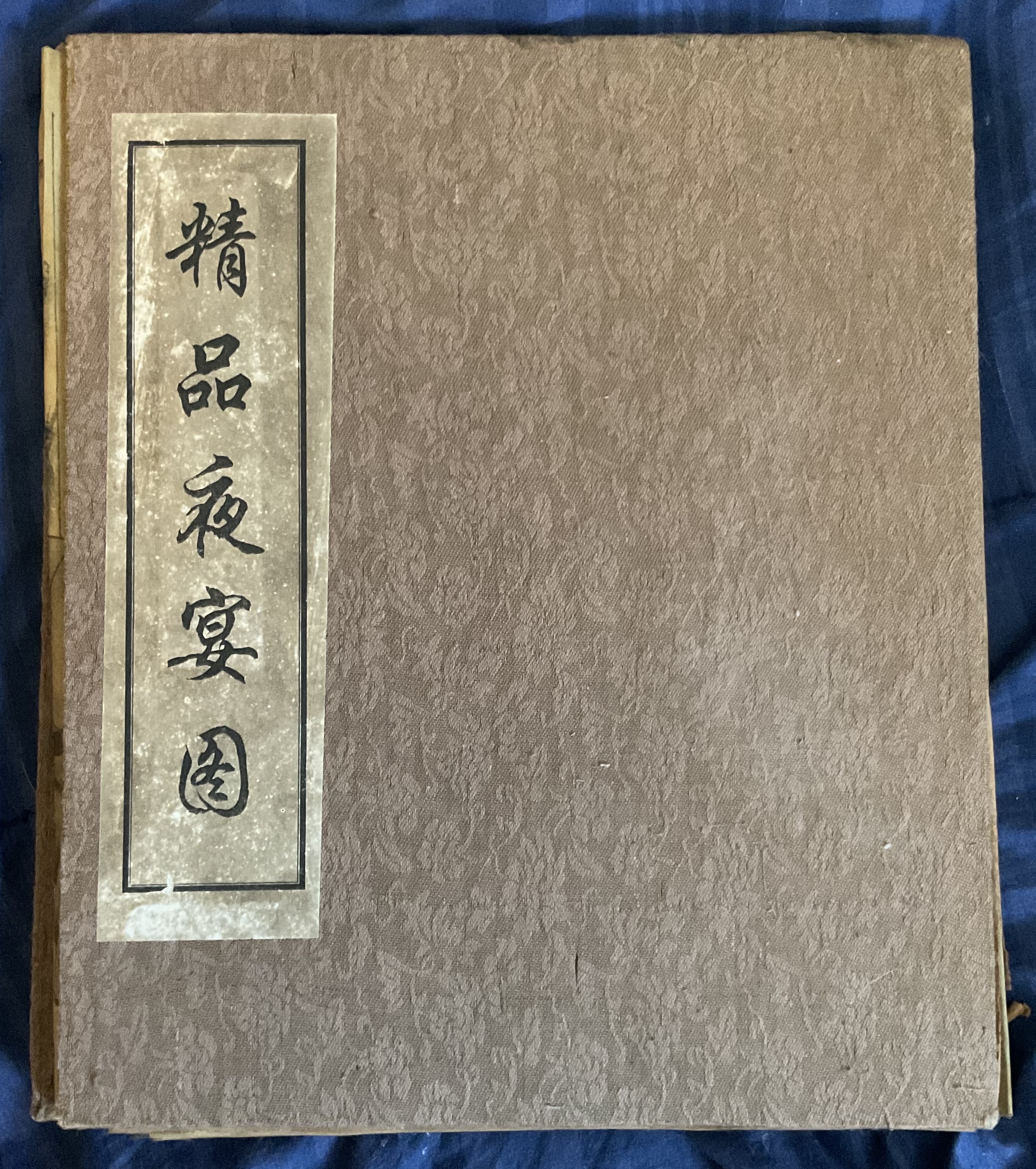
This belonged to my Great Aunt who was European but born in Japan and grew up in China in the early part of last century
Upgrade for PDF reports, more daily appraisals, and ad-free experience.
This belonged to my Great Aunt who was European but born in Japan and grew up in China in the early part of last century
Upgrade for PDF reports, more daily appraisals, and ad-free experience.
This appraisal is provided for informational and educational purposes only and does not constitute a certified, licensed, or formal appraisal.
Appraisal values are estimates based on submitted information, publicly available data, and input from InstAppraisal community, and may vary due to condition, provenance, regional demand, or additional information.
Appraisals must not be relied upon for insurance, legal, tax, or estate purposes without independent professional verification. InstAppraisal makes no guarantees regarding accuracy, completeness, or suitability for any specific use.
Chinese Porcelain Jar
Description & Identification
The item is a small, hand-painted Chinese porcelain jar, approximately 11 cm high by 11 cm wide, with a weight around 400 g. It features a cream glaze with intentional crackle (crazing), typical of certain antique and vintage Chinese ceramics. The decorative banding at the shoulder is incised and glazed in a darker tone.
The jar depicts colorful, detailed scenes of warriors in traditional Chinese armor, banners, and shields, suggesting inspiration from historical battle or opera motifs. The bright enamels (red, green, yellow, and black outlines) are consistent with Famille Verte (Kangxi period style) or later interpretations.
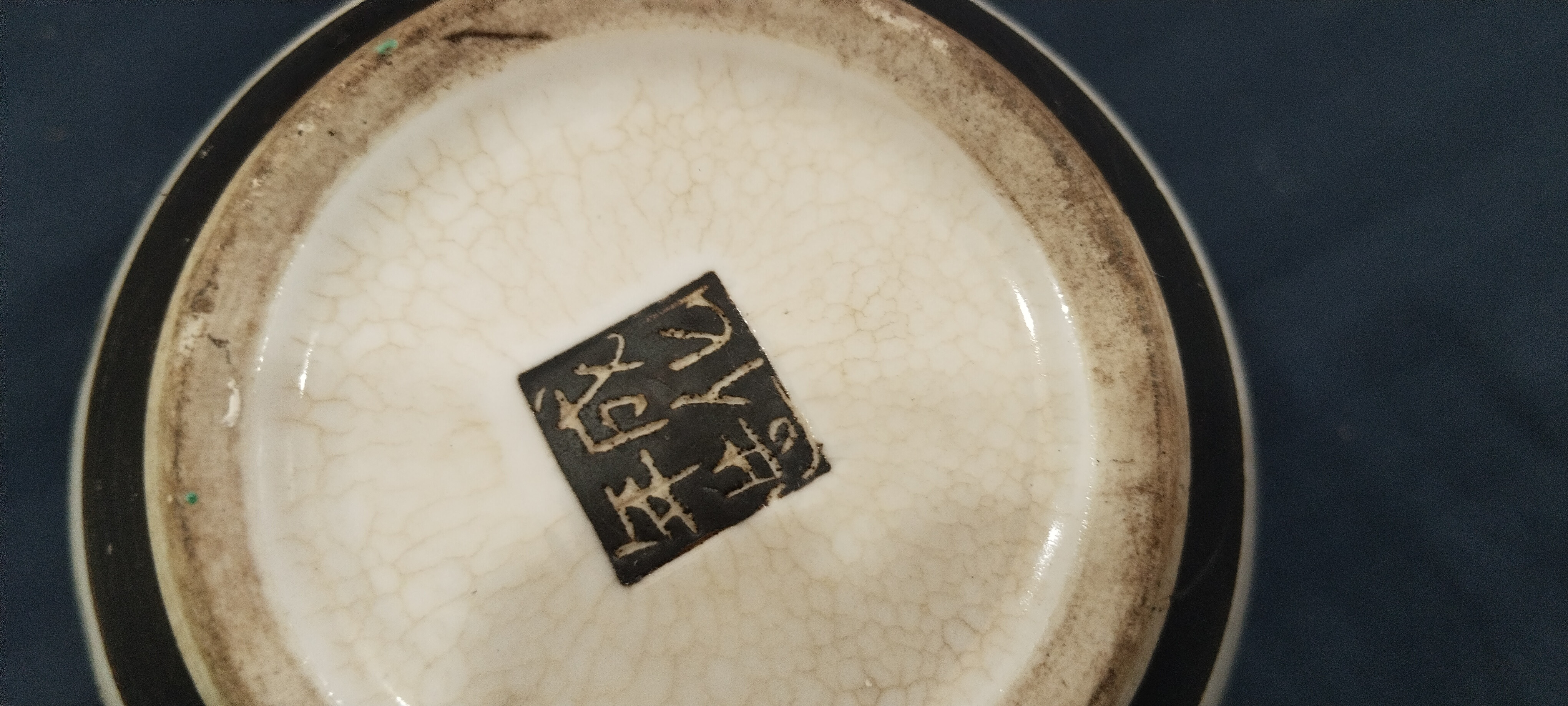
The base has a four-character mark, painted within a black square cartouche. The mark is in Chinese script and is likely a reign mark or a workshop/artist signature. The overall style and glaze aging suggest a 20th-century piece, possibly Republican period (1912–1949) or early People’s Republic era, though further inspection by a specialist is necessary to confirm.
Historical Context
Your note that it belonged to your great-aunt, a European born in Japan and raised in China in the early 20th century, is consistent with the jar’s likely production period. The early 20th century saw a mix of traditional Chinese ceramic craftsmanship and export-oriented production, with many decorative items made for foreign residents and collectors.
The warrior scenes are culturally significant, often tied to famous Chinese epics like The Romance of the Three Kingdoms or The Water Margin. These motifs were popular with both domestic and overseas buyers.
Condition
You describe the condition as “mint,” and the images support this—there are no visible chips, cracks, or significant glaze losses. The presence of uniform crackle glazing is intentional, not damage. Clean, vivid enamels and sharp outlines indicate careful preservation. The unmarked wear on the base rim further supports minimal handling.
Authentication Considerations
A professional appraiser specializing in Asian ceramics could verify whether this is Republican-period Jingdezhen ware or later, as well as provide translation of the mark for more precise attribution.
Current Market Value Estimate
Given its size, decorative quality, historical interest, and likely production date (20th century, possibly 1920s–1940s), similar pieces in today’s auction and collector markets often range from USD $150–$300. Pieces with confirmed Republican-period provenance, well-documented marks, or identified workshop origin can command USD $300–$500or more, depending on buyer interest.
Recommendations