
Photos Submitted for Appraisal
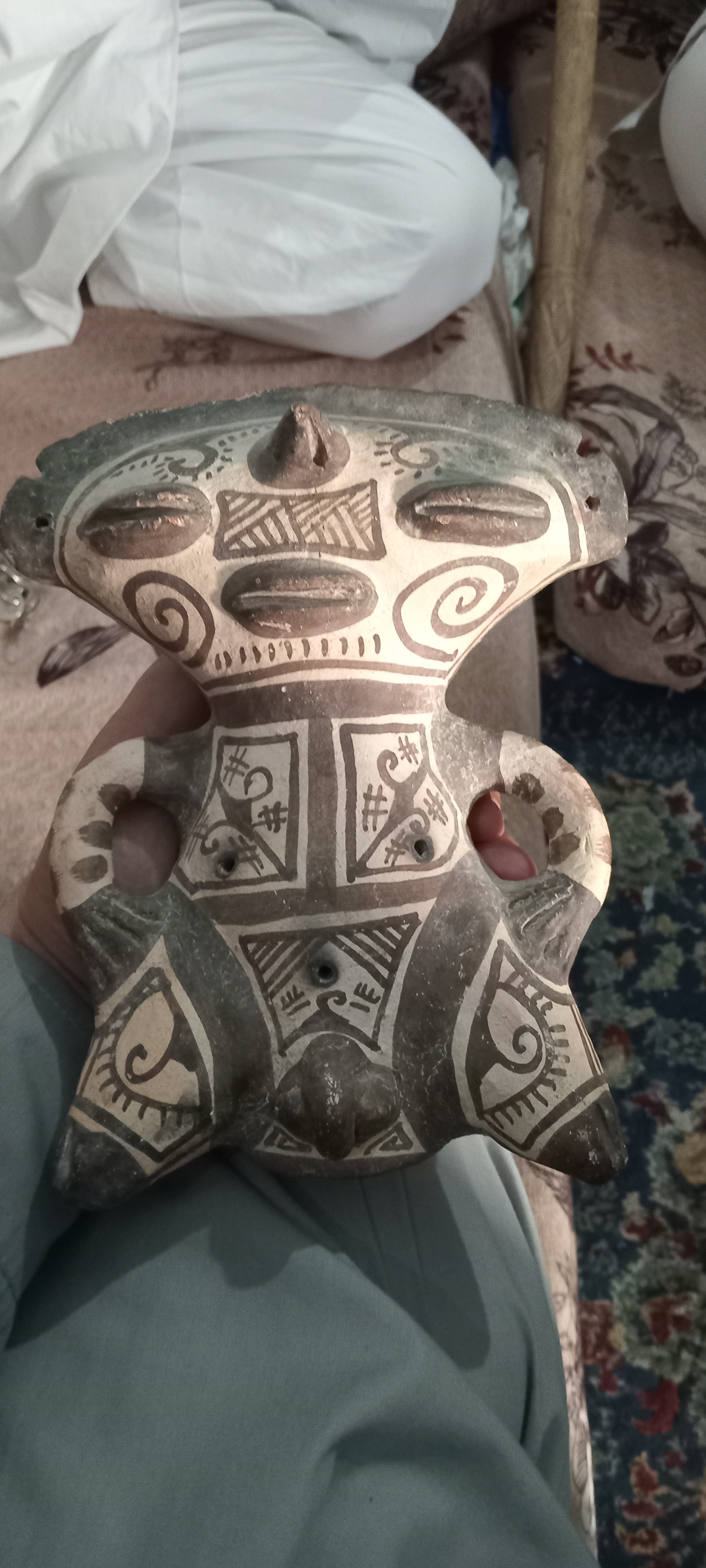
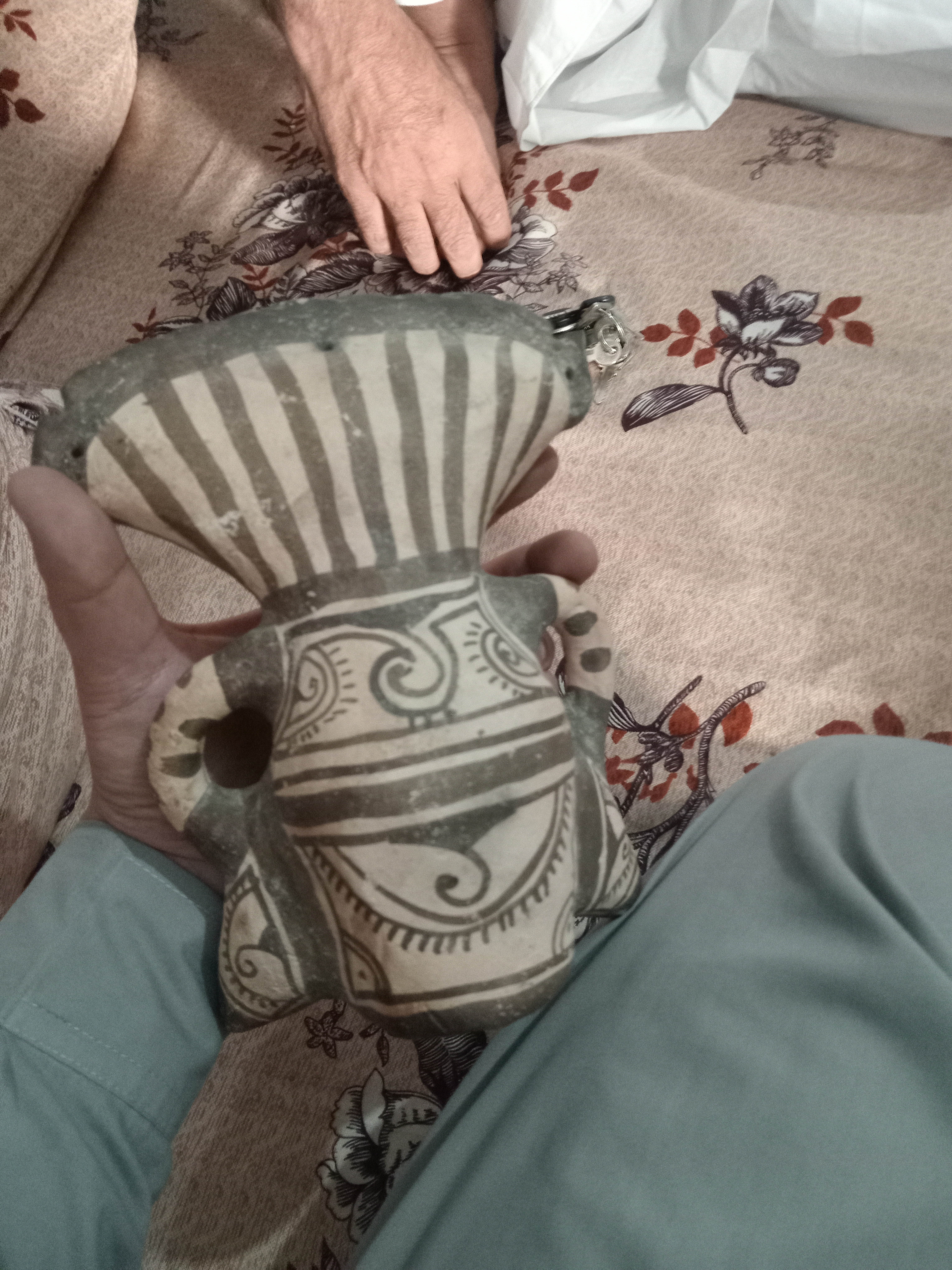
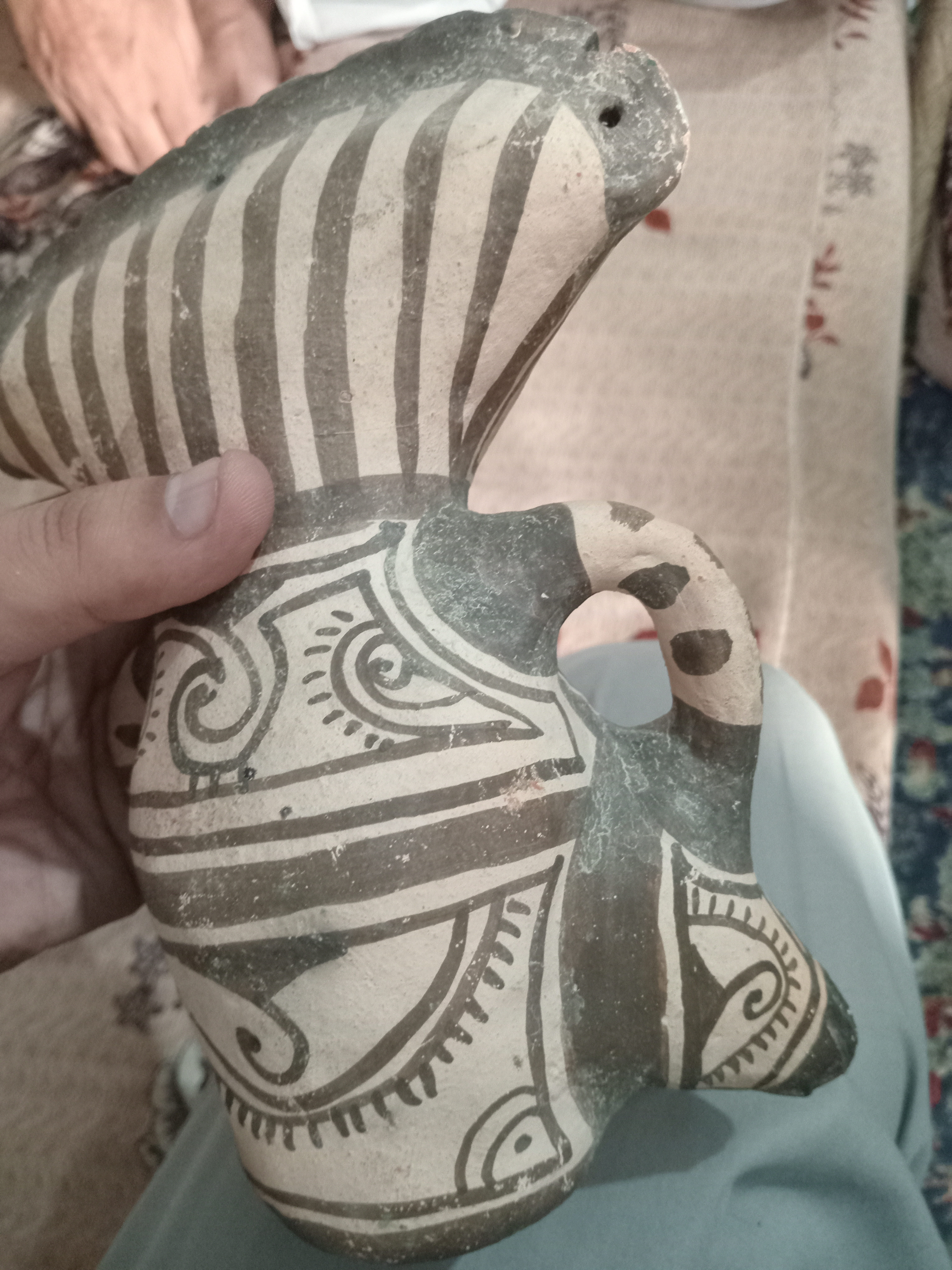
🔍 Click to enlarge and inspect marks, signatures, and condition detailsTap to zoom and inspect details
Hey everyone! I recently came across this beautiful ceramic piece and would love to learn more about it.
What is it? I’m guessing it’s a handmade ceramic vessel or pot.
Where could it be from? Any thoughts on its cultural origin or style?
How old might it be? It looks vintage, maybe even antique?
Why might it be significant? Does it hold any traditional or historical importance?
If you recognize the patterns, materials, or techniques—or just have a hunch—I’d be grateful for any info you can share. 🙏
Thanks in advance for helping me uncover its story!
Upgrade for PDF reports, more daily appraisals, and ad-free experience.
Collector Discussion
Do you recognize this piece? Collectors often identify maker marks, share comparable sales, or suggest additional research steps.
Hand-Painted Ceramic Vessel
🏺 Hand-Painted Ceramic Vessel
Category: Antiquities / Ethnographic Ceramics
Type: Anthropomorphic or zoomorphic effigy vessel (possibly ceremonial)
Material: Terracotta or earthenware with black/brown painted slip decoration
Estimated Size: ~6–9 inches tall (based on hand scale)
Condition: Good vintage condition, with signs of age, wear, and minor surface chipping; no obvious modern repairs
🔍 Description and Identification:
This appears to be a handmade anthropomorphic or zoomorphic ceramic vessel, likely created with ritual or symbolic intention rather than just utility. The features include:
These stylistic elements are strongly reminiscent of:
However, it could also be a modern folk art reproduction inspired by ancient design, especially given the "mint" preservation and somewhat soft details.
🕰️ Estimated Age:
If authentic, the design could date from:
🌍 Possible Origins:
💰 Estimated Market Value:
Scenario
Value Range (USD)
Authentic ancient ceramic
$1,500 – $4,500+ (depending on culture and condition)
19th/early 20th-century ethnographic piece
$300 – $800
Mid-20th-century replica or decorative folk art
$75 – $250
✅ Authentication Notes:
To confirm authenticity, you would need:
📌 Recommendation:
This is a potentially valuable piece, especially if it is pre-Columbian or early tribal. I strongly recommend: