

Click any image to enlarge
AI Appraisal
Description
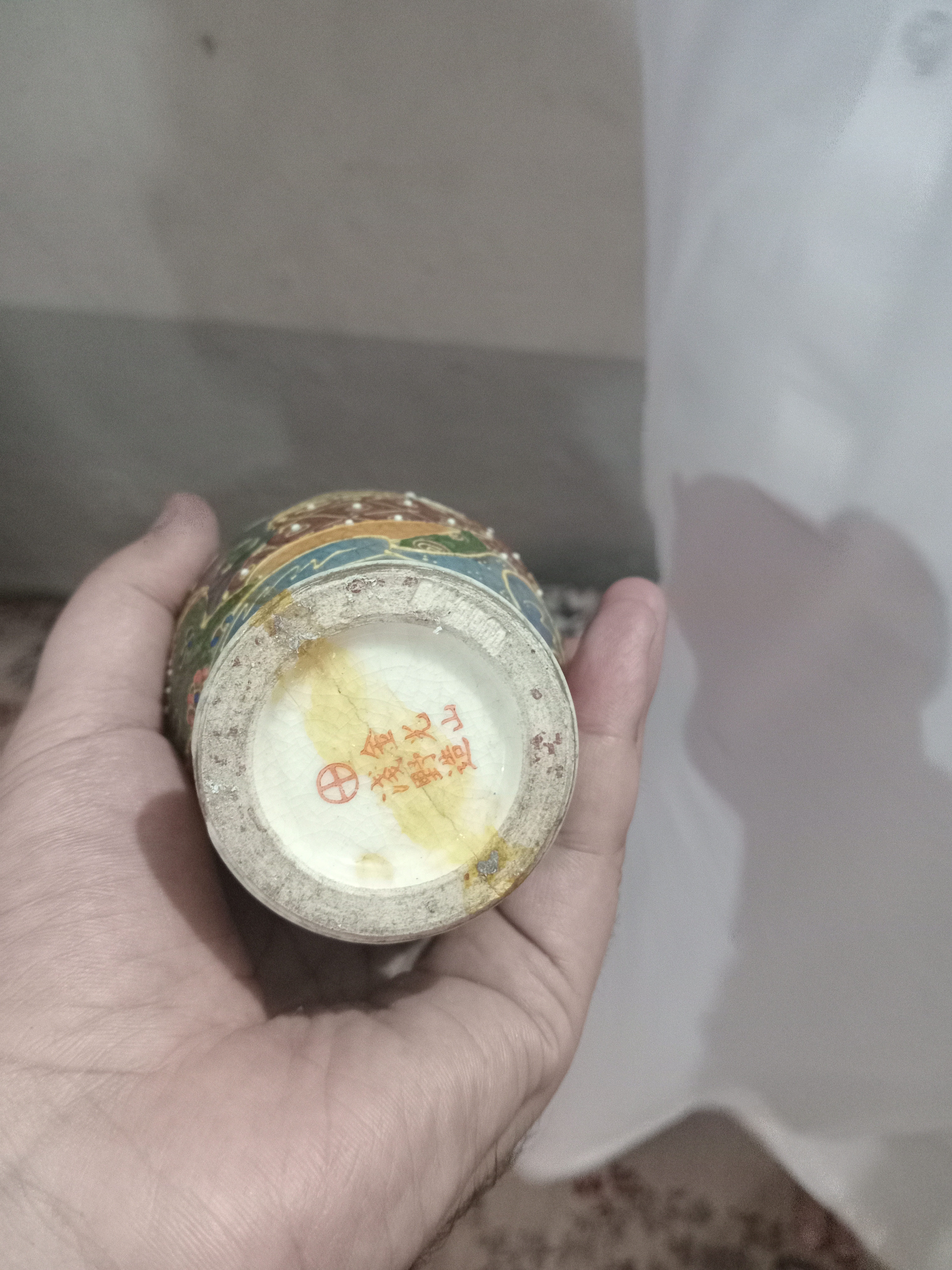
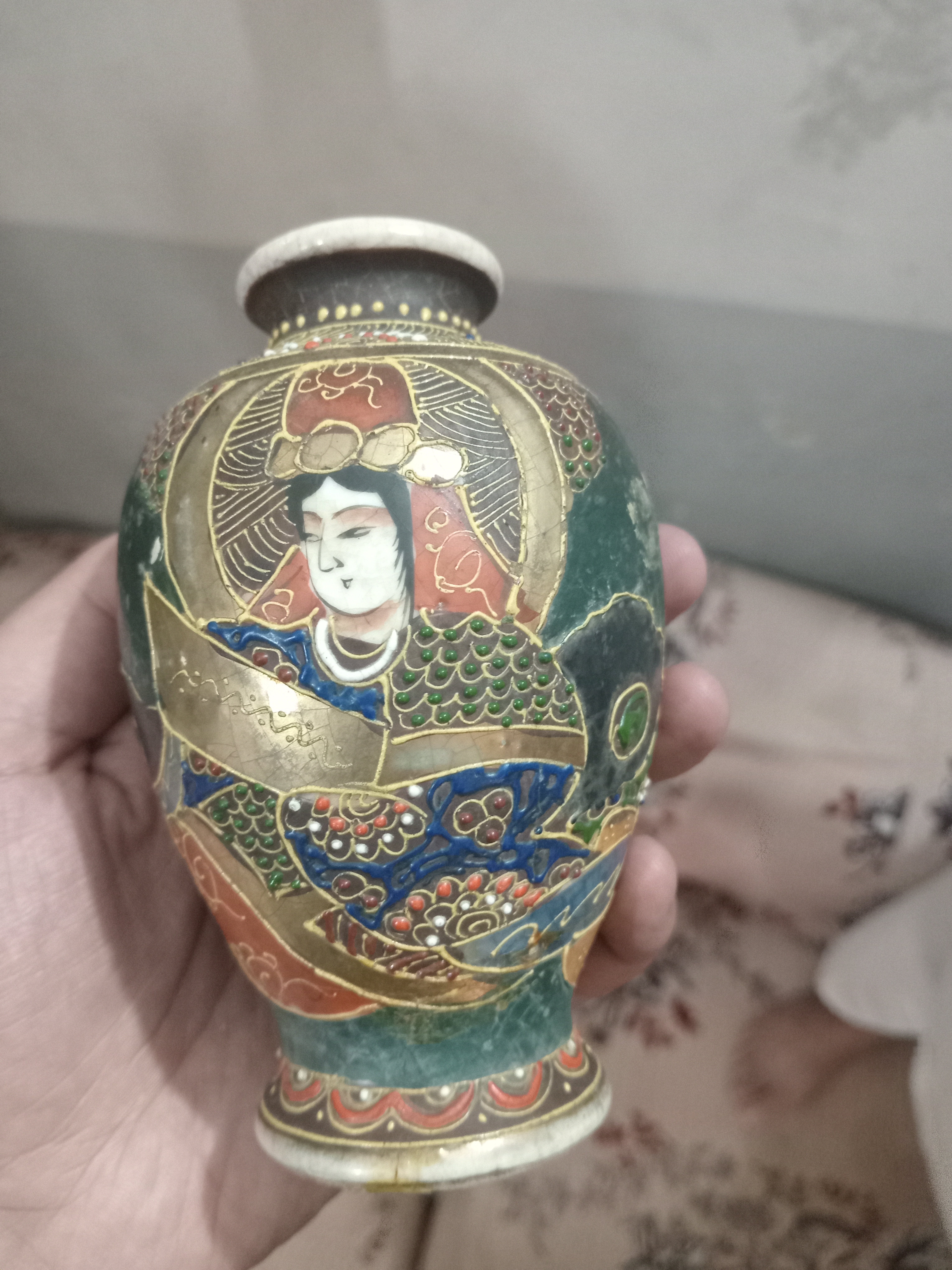
Hey everyone! I recently came across this beautiful ceramic piece and would love to learn more about it.
What is it? I’m guessing it’s a handmade ceramic vessel or pot.
Where could it be from? Any thoughts on its cultural origin or style?
How old might it be? It looks vintage, maybe even antique?
Why might it be significant? Does it hold any traditional or historical importance?
If you recognize the patterns, materials, or techniques—or just have a hunch—I’d be grateful for any info you can share. 🙏
Thanks in advance for helping me uncover its story!
Category
Ceramics and Porcelains
Condition
Mint
⚠️ You have 1 free appraisal left today
Upgrade for 15-30/day →
Want more from your appraisals?
View Plans →
Upgrade for PDF reports, more daily appraisals, and ad-free experience.
Japanese Satsuma-style Moriage Vase
Item Description:
Cultural and Historical Background:
This piece is a Satsuma-style vase, most likely produced during the late Taishō or early Shōwa era (circa 1920s–1940s) in Japan for export. It’s not from the original Satsuma kilns of the 17th century but rather from the mass-produced export wave of decorative ware in the 20th century.
Key features that support this:
Authentication:
The piece is likely authentic Japanese export ware, not a reproduction or modern replica. The aging signs such as the crazing and hand-painted features (versus decals) further support this. The raised enamel detail and gold work are not typically faked due to the labor involved.
Estimated Value (2025):
Market Segment
Low Estimate
High Estimate
General online marketplaces (e.g., eBay, Etsy, Ruby Lane)
$25 USD
$60 USD
Specialized Asian antique dealers or collector shows
$60 USD
$120 USD
Note: Values vary based on condition, region, and interest. Your item’s mint condition and clear mark may place it at the higher end of this range, especially if sold with provenance or as part of a pair or set.
Significance:
While not a museum-grade antique, this piece represents an important chapter in Japanese ceramic export history. The combination of traditional techniques and Western market adaptation (visible in the "Made in Japan" mark and decorative themes) makes it collectible, especially among fans of Satsuma-style ware or early 20th-century Japanese ceramics.
Recommendation:
If you’re interested in a formal valuation for insurance, resale, or estate purposes, I recommend contacting a certified appraiser with specialization in:
Look for appraisers affiliated with organizations such as: