French tapestry

PhatPunk
11 months ago
AI Appraisal
Description

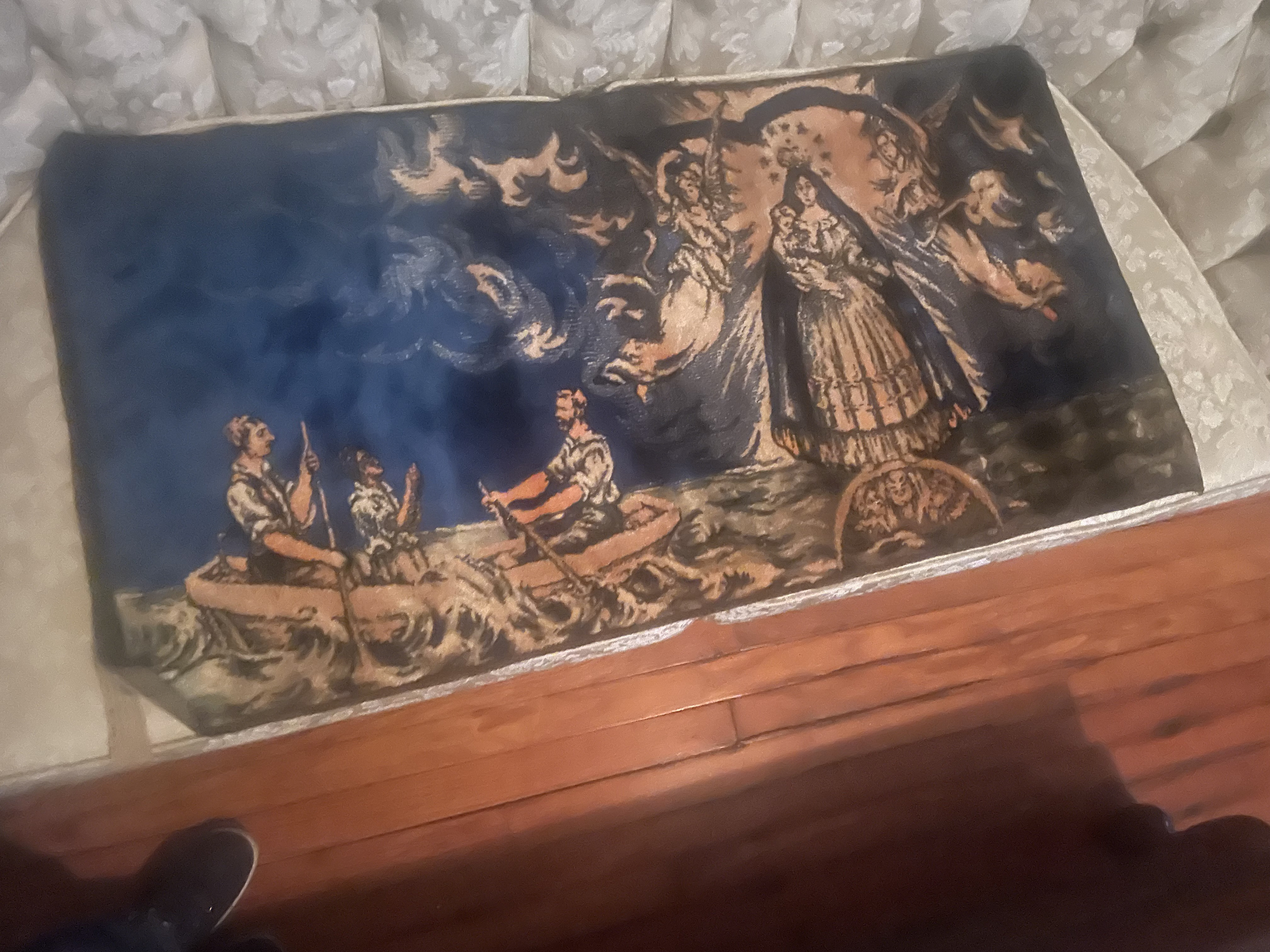
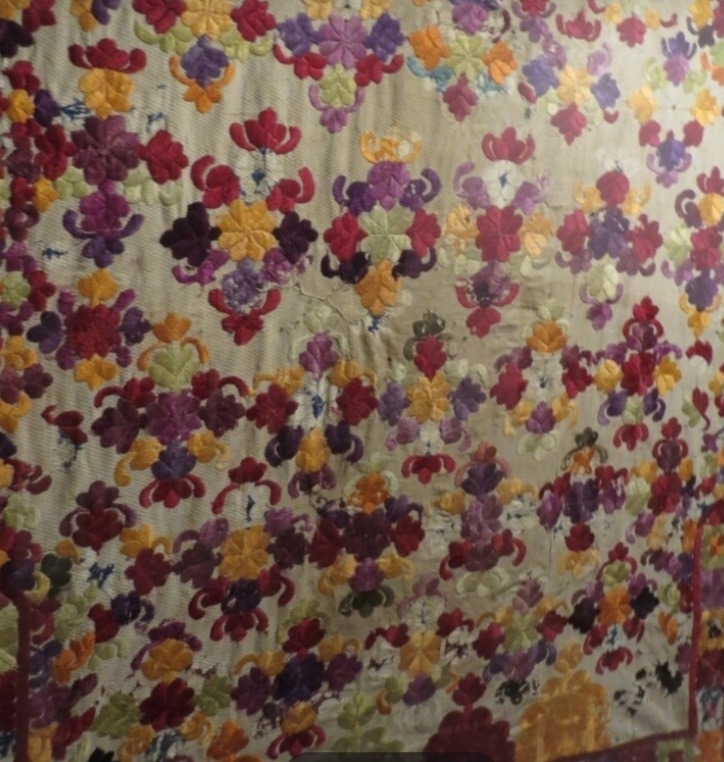
What is this tapestry and what is it worth?

I have an info from Perplexity AI which I do not trust at all.

Perplexity AI:
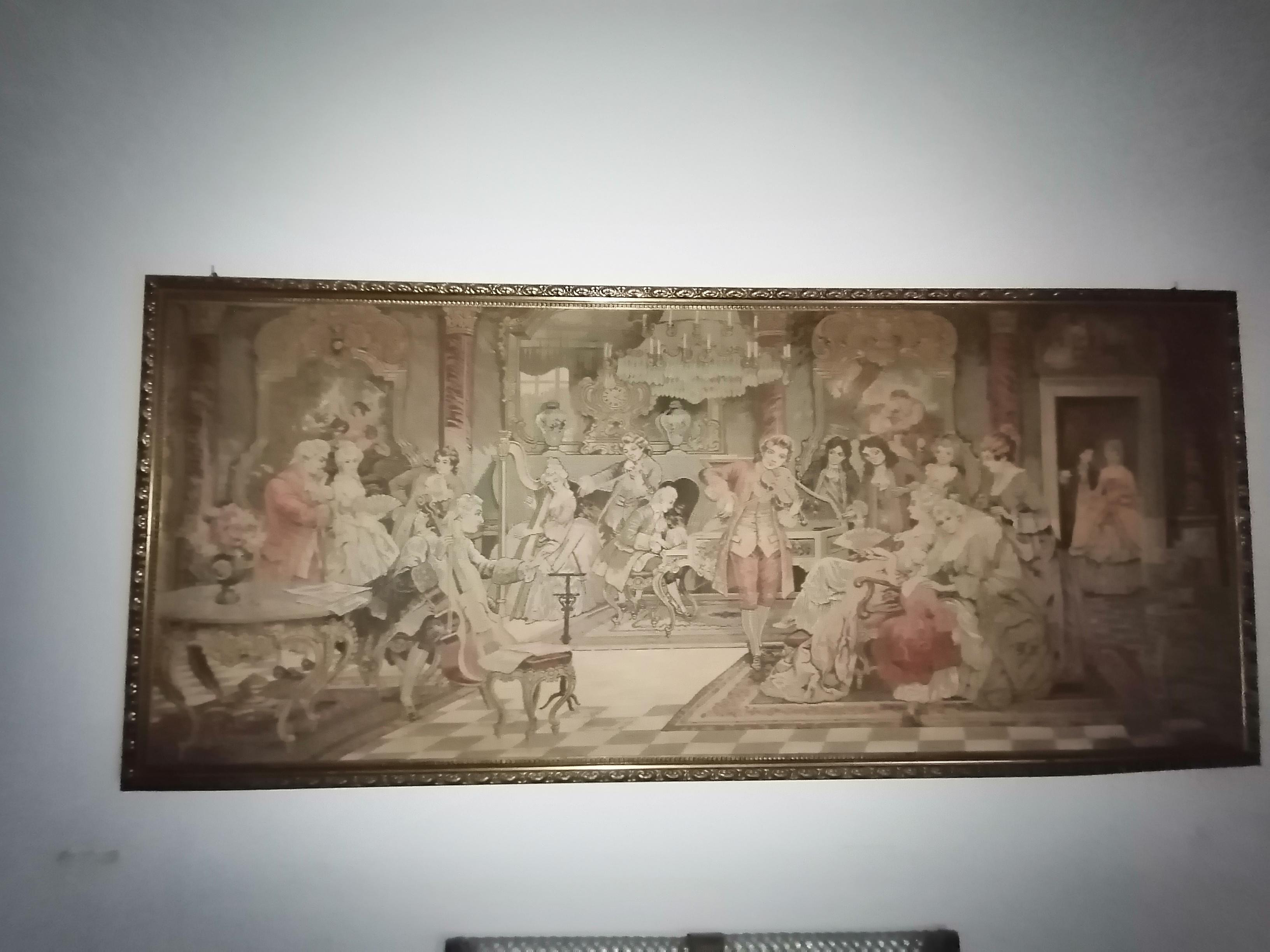
This appears to be an 18th century French tapestry depicting a noble music or entertainment scene, mounted in an ornate gilt frame

. The tapestry shows elegantly dressed figures in period costumes gathered in an interior setting with architectural elements and decorative details typical of formal 18th century scenes

  • Made with wool and silk, which was typical of high-quality 18th century French tapestries
  • Features detailed weaving showing architectural elements, figures, and decorative patte
  • Shows some age-related wear and fading, which is normal for textiles of this period
  • Appears to be mounted in what may be its original gilt frame

    This appears to be an 18th century French tapestry depicting a noble music or entertainment scene, mounted in an ornate gilt frame

. The tapestry shows elegantly dressed figures in period costumes gathered in an interior setting with architectural elements and decorative details typical of formal 18th century scene.

  • Made with wool and silk, which was typical of high-quality 18th century French tapestries
  • Features detailed weaving showing architectural elements, figures, and decorative patterns
Category Vintage Textiles and Clothing
Medium Wool and silk, wood
Distinguishing marks Shows some age-related wear and fading, which is normal for textiles of this period

Appears to be mounted in what may be its original gilt frame
Date Period 18th
⚠️ You have 1 free appraisal left today Upgrade for 15-30/day →
Want more from your appraisals?

Upgrade for PDF reports, more daily appraisals, and ad-free experience.

View Plans →

Submitted by Charley

Description:

This is a large tapestry depicting an 18th-century noble entertainment scene, featuring elegantly dressed figures in period costumes gathered in a formal interior setting. The design includes architectural details, decorative patterns, and musical instruments, creating a lavish scene of aristocratic leisure. The tapestry is housed in a decorative gilt frame, which may be original or contemporaneous with the piece.

Material:

  • Likely made with wool and silk, as this was common in high-quality French tapestries of the 18th and early 19th centuries.
  • The frame is a carved giltwood, consistent with the ornate style used in period decorations.

Historical Context:

Tapestries of this style were popular in 18th-century France, often produced in workshops such as Aubusson or Beauvais, renowned for their intricate designs and craftsmanship. These textiles were prized for their ability to insulate and decorate large walls in opulent homes. Scenes of aristocratic life, music, and entertainment were common subjects, reflecting the tastes and lifestyles of the upper class.

Condition:

  • The tapestry shows some age-related wear and fading, which is typical for textiles of this age.
  • The gilt frame appears to be in good condition, with some minor wear expected from age.
  • The reverse side indicates a proper mounting, which helps preserve the piece.

Current Value:

The value of this piece depends on its origin, craftsmanship, and condition. While it may resemble 18th-century designs, confirmation of its age and provenance would significantly affect its value. If this is a later reproduction (19th or early 20th century), the value would be lower.

  • Estimated Value:
    • Original 18th-century tapestry: $8,000–$15,000 USD.
    • 19th/early 20th-century reproduction: $1,500–$5,000 USD.
    • Factors Affecting Value:
      • Authenticity and workshop attribution (e.g., Aubusson or Beauvais).
      • Condition and restoration history.
      • Historical or cultural significance.

Recommendations for Professional Appraisal:

To confirm its authenticity and secure a precise valuation:

  1. Consult a professional appraiser specializing in antique textiles or European decorative arts.
    • Organizations like the American Society of Appraisers (ASA) or International Society of Appraisers (ISA) can help locate qualified experts.
  2. Contact auction houses that handle fine art and textiles (e.g., Sotheby’s, Christie’s, or Bonhams).
  3. Seek an evaluation by a museum or gallery with expertise in European tapestries.

Care and Preservation Tips:

  • Avoid direct sunlight to minimize further fading.
  • Maintain stable humidity and temperature levels to prevent fabric deterioration.
  • Consider professional cleaning or conservation if needed.

Submitted by Lovejoy

Most of these tapestries look older than they really are, depicting the work of well known 18th Century artists or depicted scenes from legends heightening this effect. Very few of this type predate 1900, examples like this tend to postdate 1925. By the beginning of the 20th Century technology had advanced sufficiently to enable machines to create tapestries. There followed a vogue for such pieces and large numbers were made in classic styles. Most of these were made in muted colors to achieve the effect of age. Factories for these tapestries were usually located around Paris and in Northern France (or Belgium). Sometimes manufacturers labels were attached but if this is missing it is impossible to determine a maker.Most tend to sell for under $300.00 if of the mass produced type.

📸 Quick Scan
Garage-Sale Mode Fast appraisals on the go