
Photos Submitted for Appraisal
🔍 Click to enlarge and inspect marks, signatures, and condition detailsTap to zoom and inspect details
AI Appraisal
Description
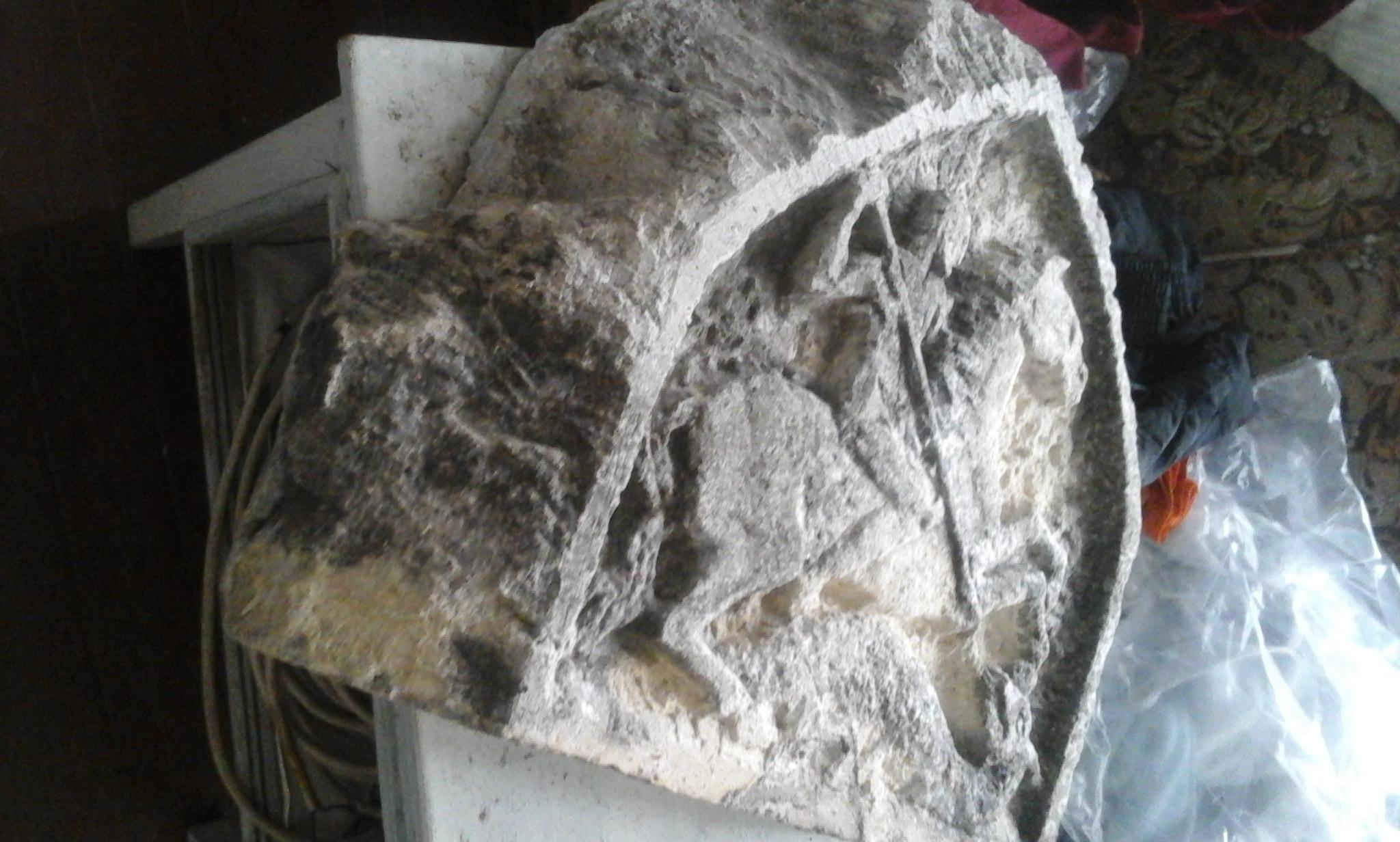
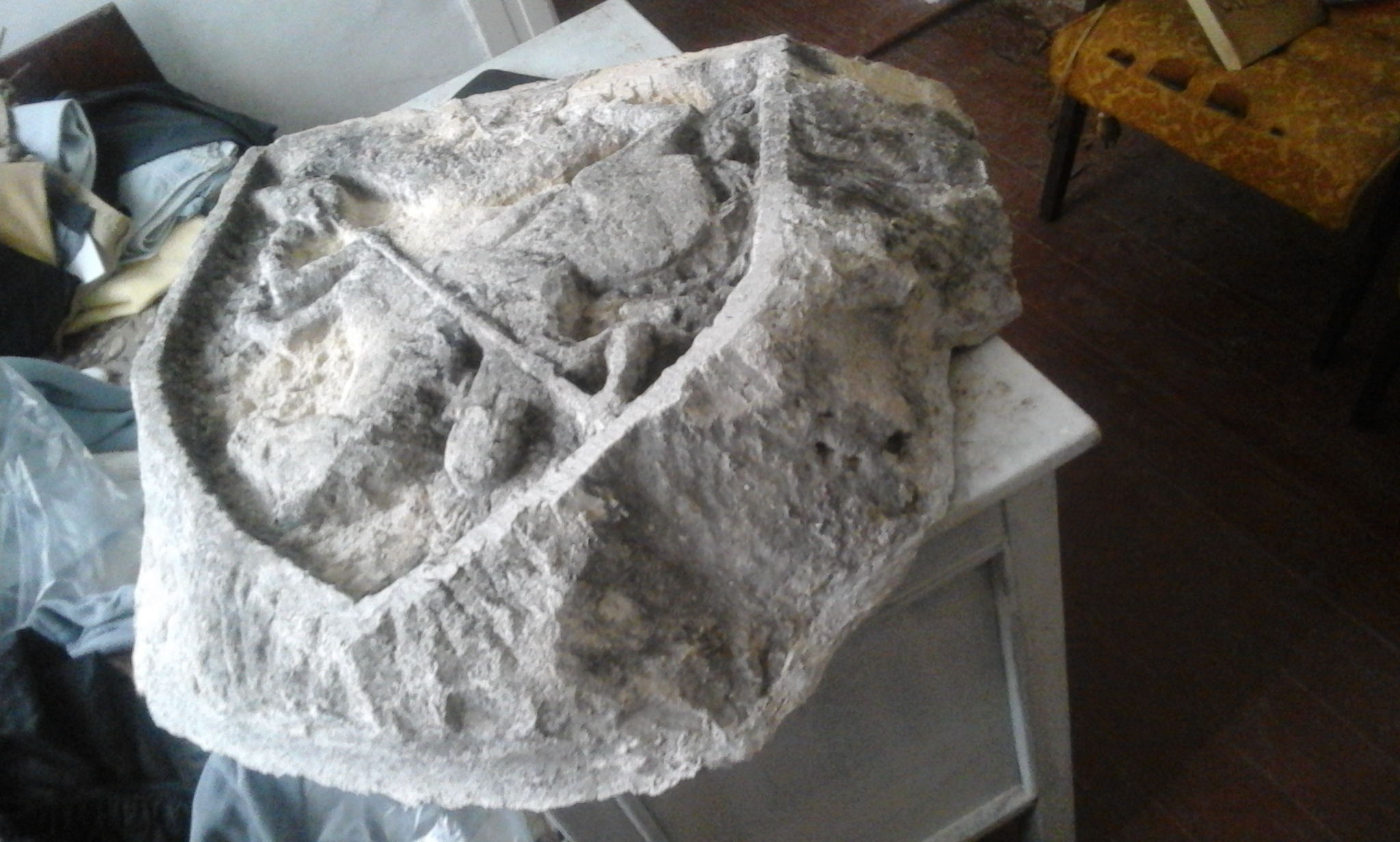
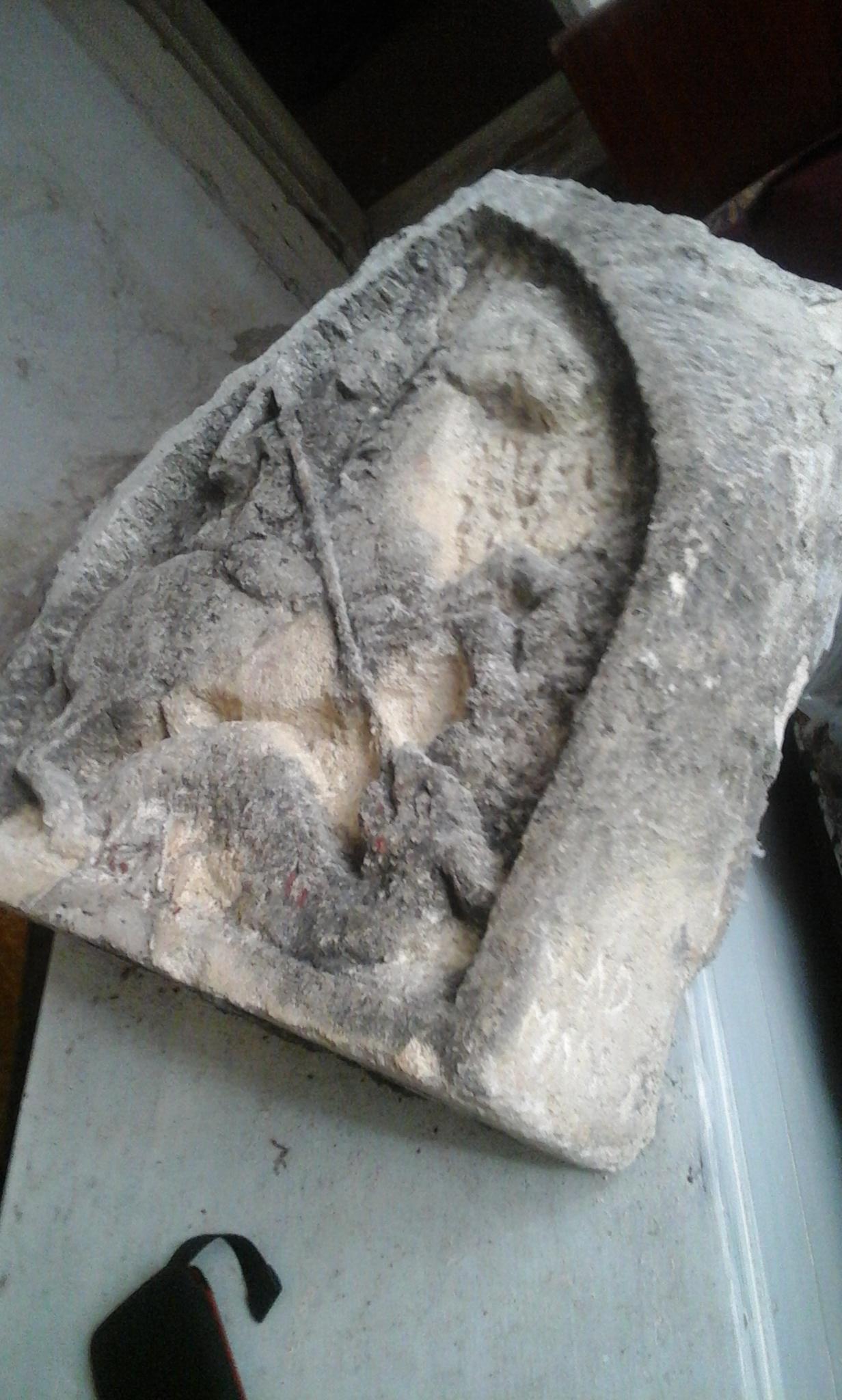
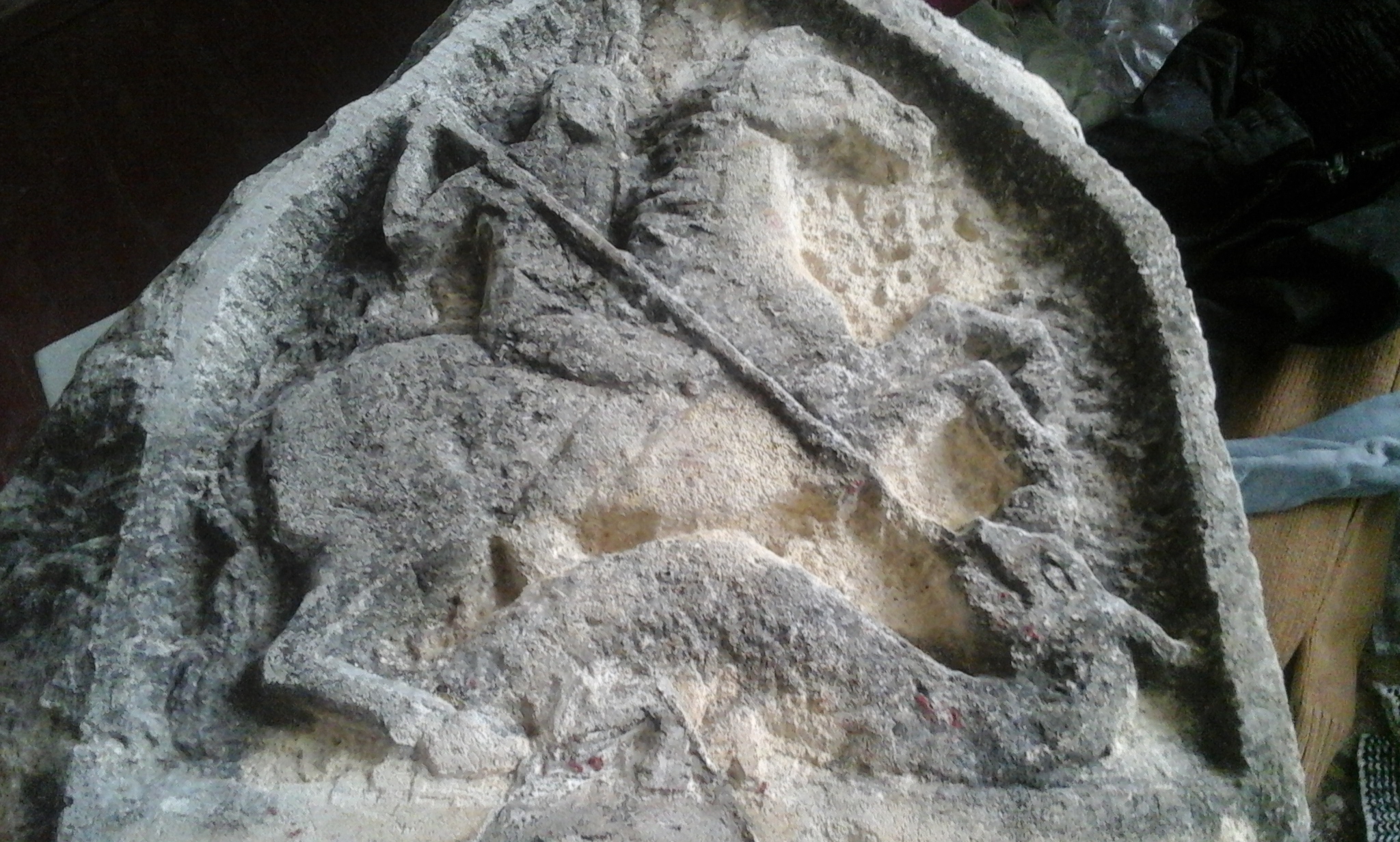
This basorelief is carved in stone and represents a horseman that kills a serpent. I researched on the internet and I believe it might be a tombstone of a roman soldier. It is very heavy and is about 80cm long.
Category
Other
Condition
Excellent
Size and dimensions of this item
About 80 cm long.
Weight
40-50 kg
Collectors with this item
Want to appraise yours? Upload photos for a free appraisal →
⚠️ You have 1 free appraisal left today
Upgrade for 15-30/day →
Want more from your appraisals?
View Plans →
Upgrade for PDF reports, more daily appraisals, and ad-free experience.
Collector Discussion
Do you recognize this piece? Collectors often identify maker marks, share comparable sales, or suggest additional research steps.
Re: Horseman basorelief
Hello,
I'm not an expert...but is it St. George killing the Dragon/Snake?...it might help in your search if you try that path..:)
Re: Horseman basorelief
Thank you for your answer,
I thought so too, but I saw that romans and dacians used to have such carvings as tombstones, so I figured that it might date from roman/dacian items.
Re: Horseman basorelief