
Click any image to enlarge
AI Appraisal
Description
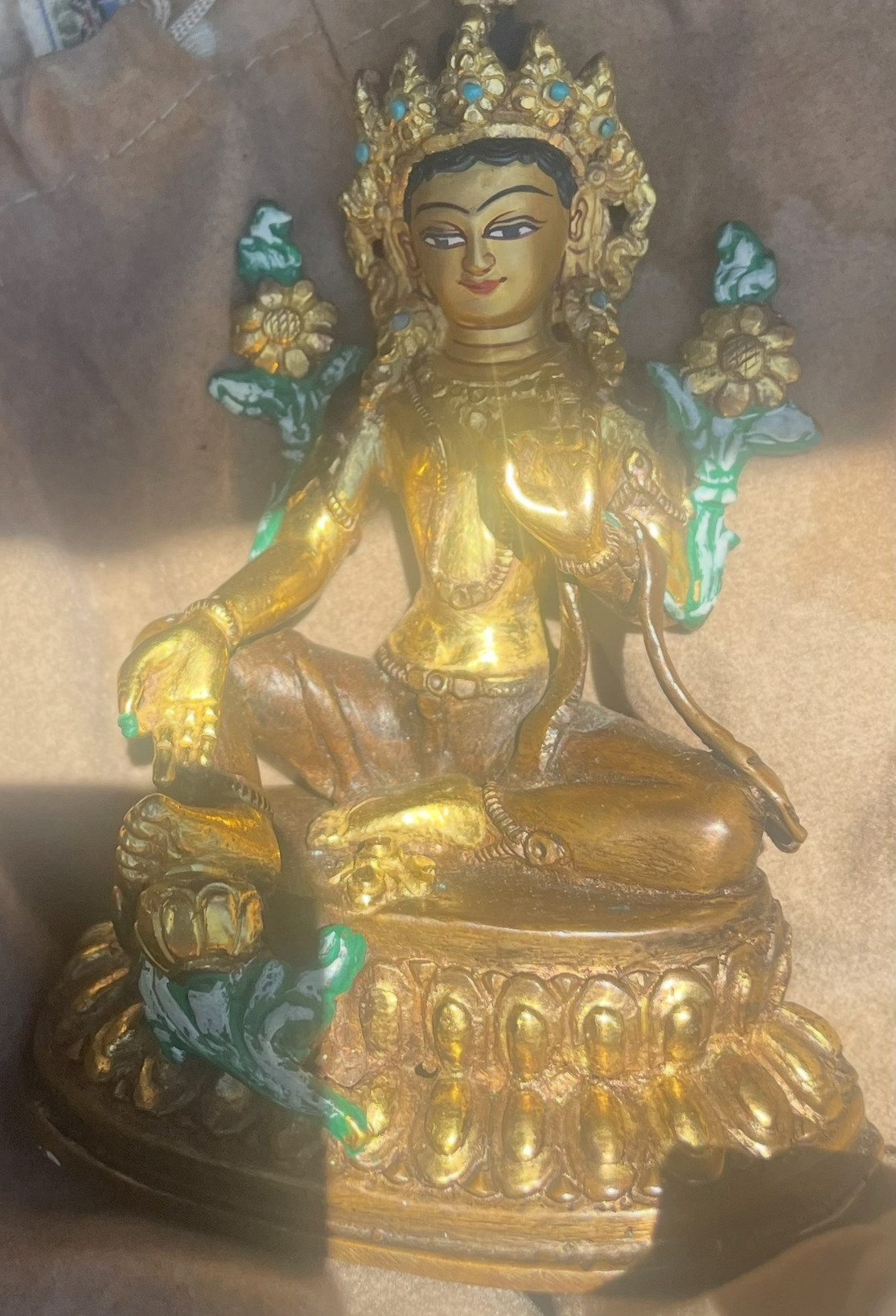
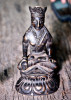
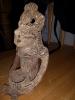
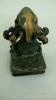
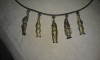
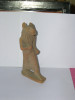
This is an idol which is in good condition and would like to get an appraisal. All we know is it’s Hindi?
Category
General Antiques and Collectibles
Medium
It has weight to it, some type of metal.
Condition
Good
Size and dimensions of this item
About 5 inches tall.
Weight
About one pound maybe a little more.
⚠️ You have 1 free appraisal left today
Upgrade for 15-30/day →
Want more from your appraisals?
View Plans →
Upgrade for PDF reports, more daily appraisals, and ad-free experience.
I am looking for an…
I am looking for an appraisal with intentions to sell.
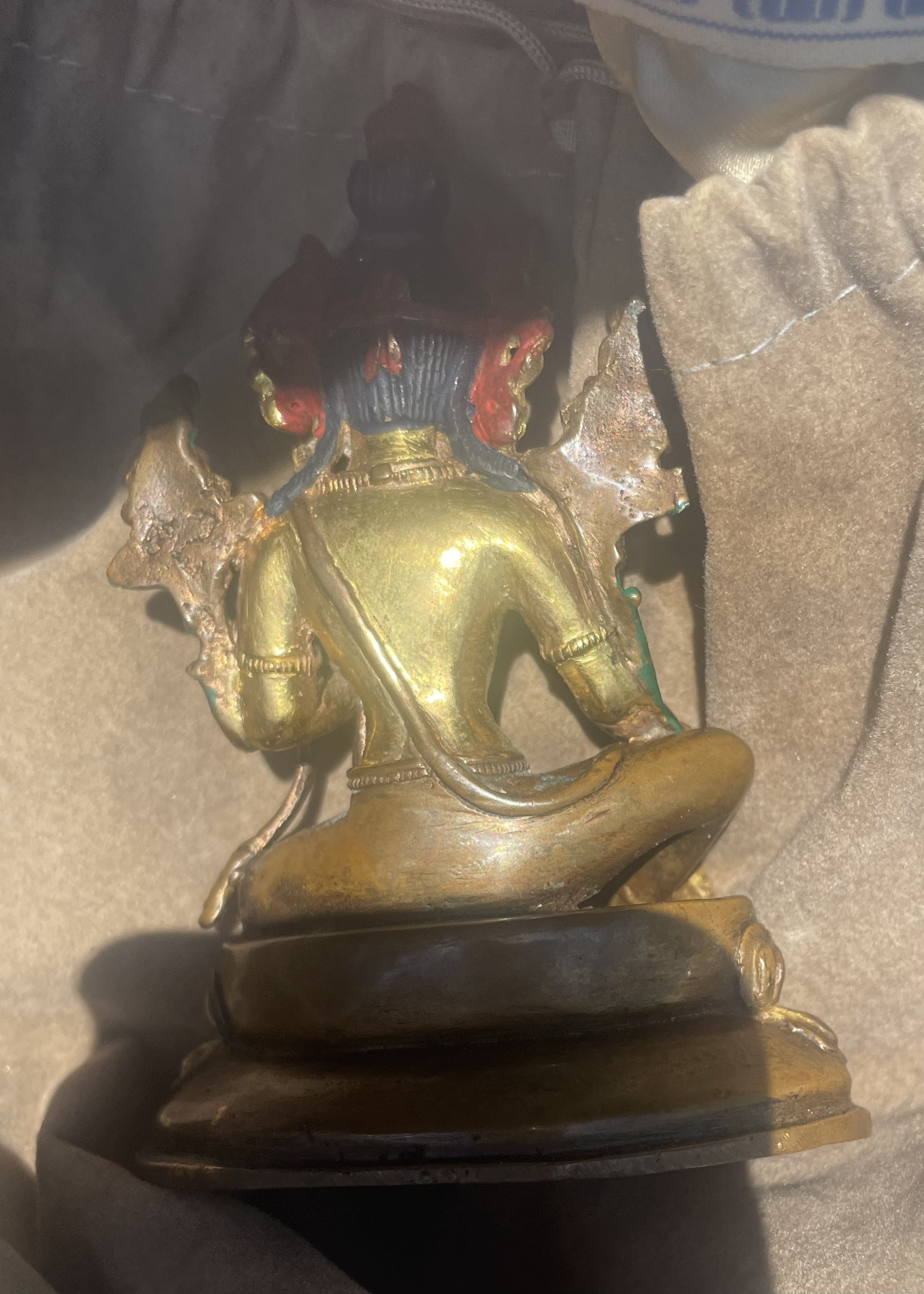
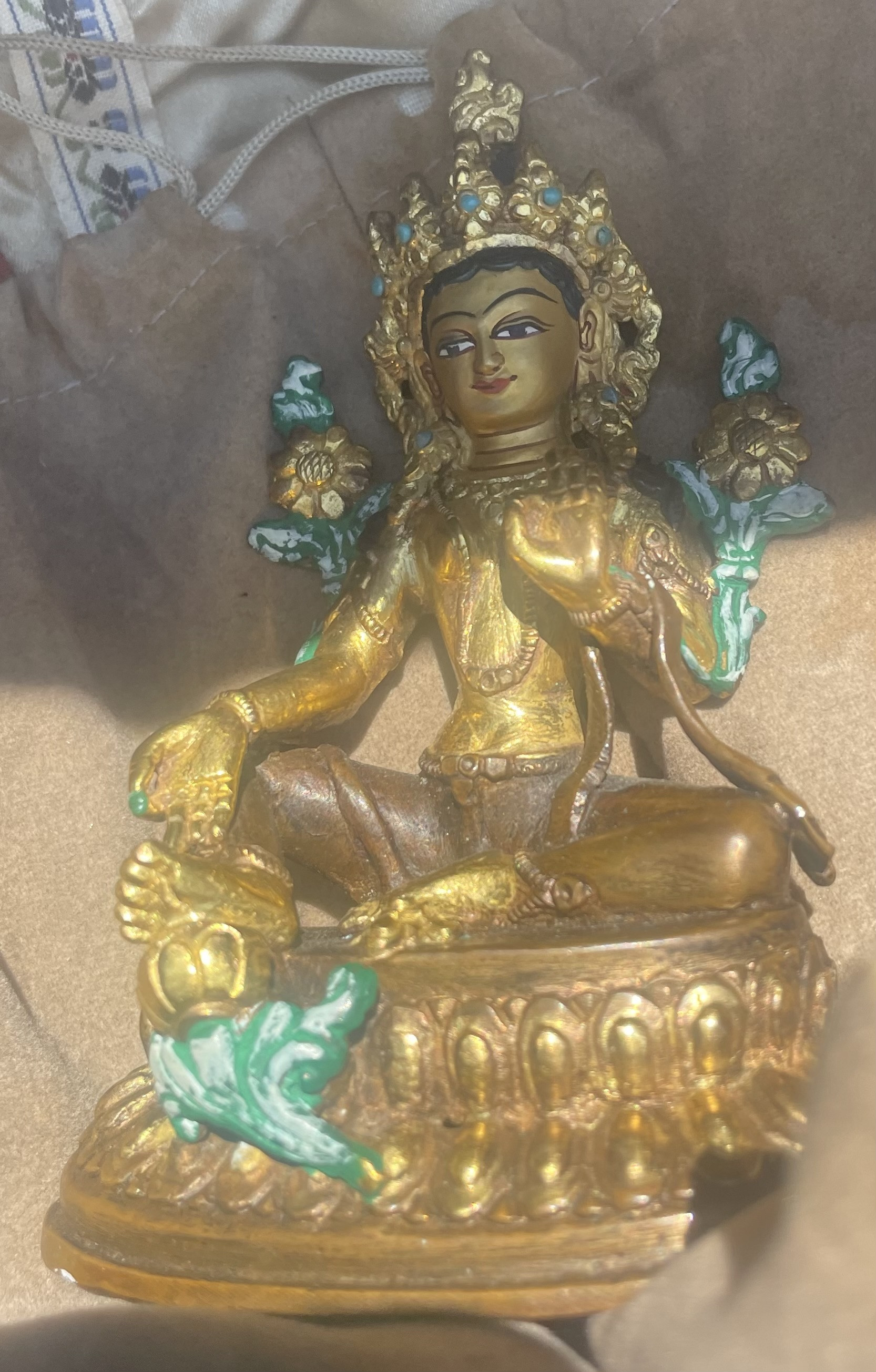
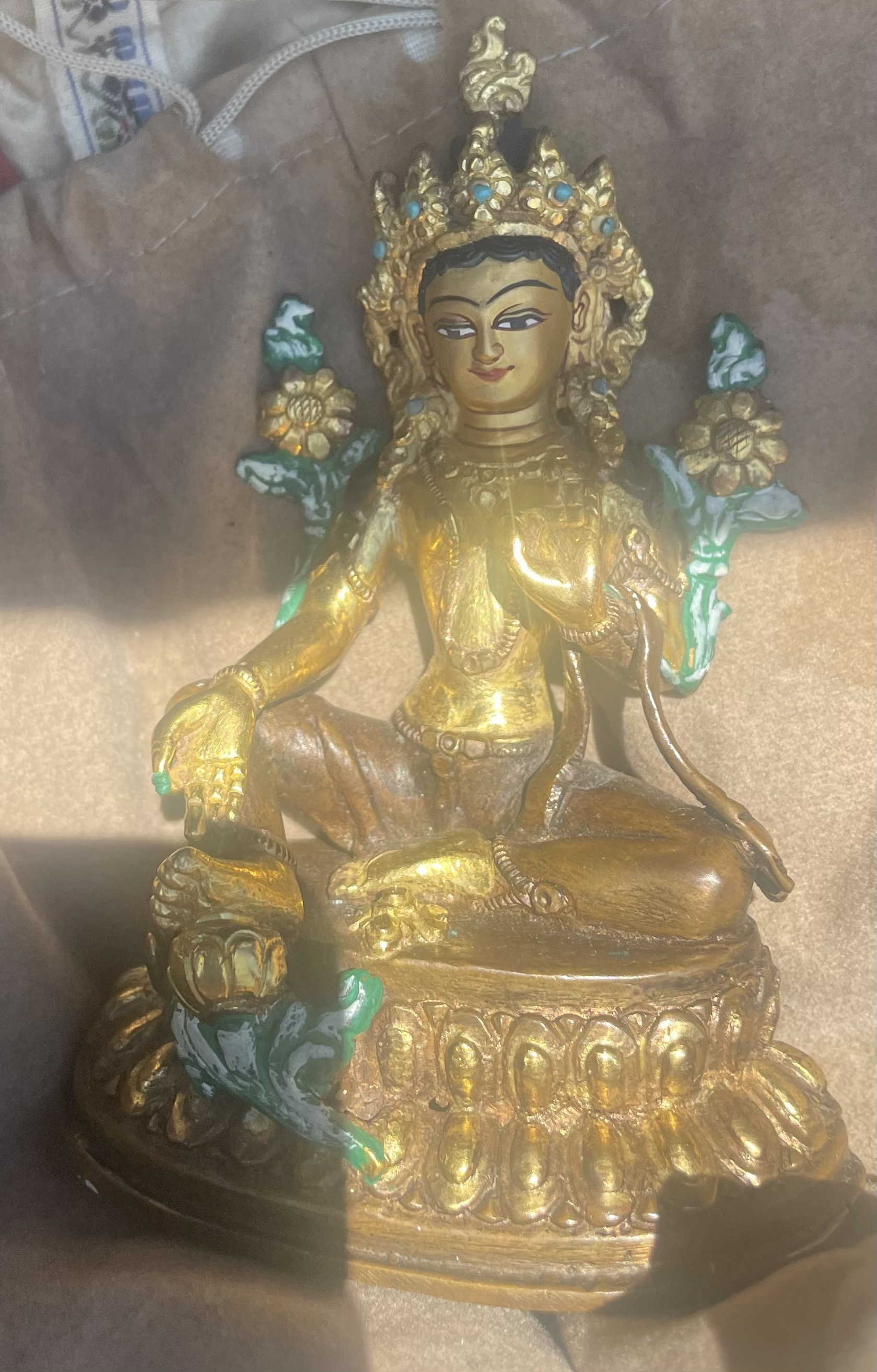
Gilt Bronze Figure of Green Tārā (Tibetan Buddhist)
Item Report – Gilt Bronze Figure of Green Tārā (Tibetan Buddhist)
What it is:
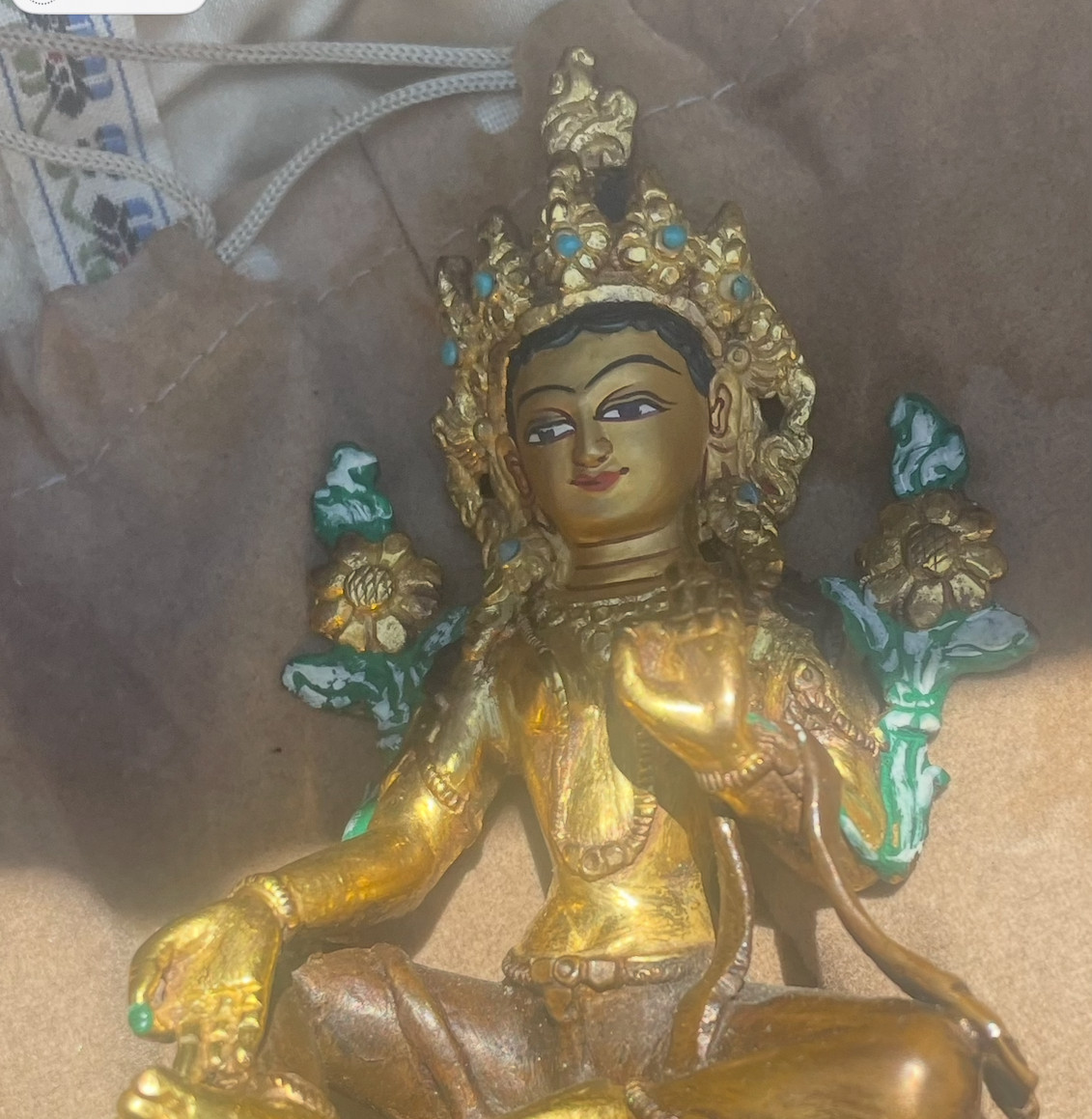
Your piece is not a Hindu “idol,” but a Tibetan-Buddhist deity—Green Tārā (Śyāmatārā), the savior/compassionate heroine. She’s identified by:
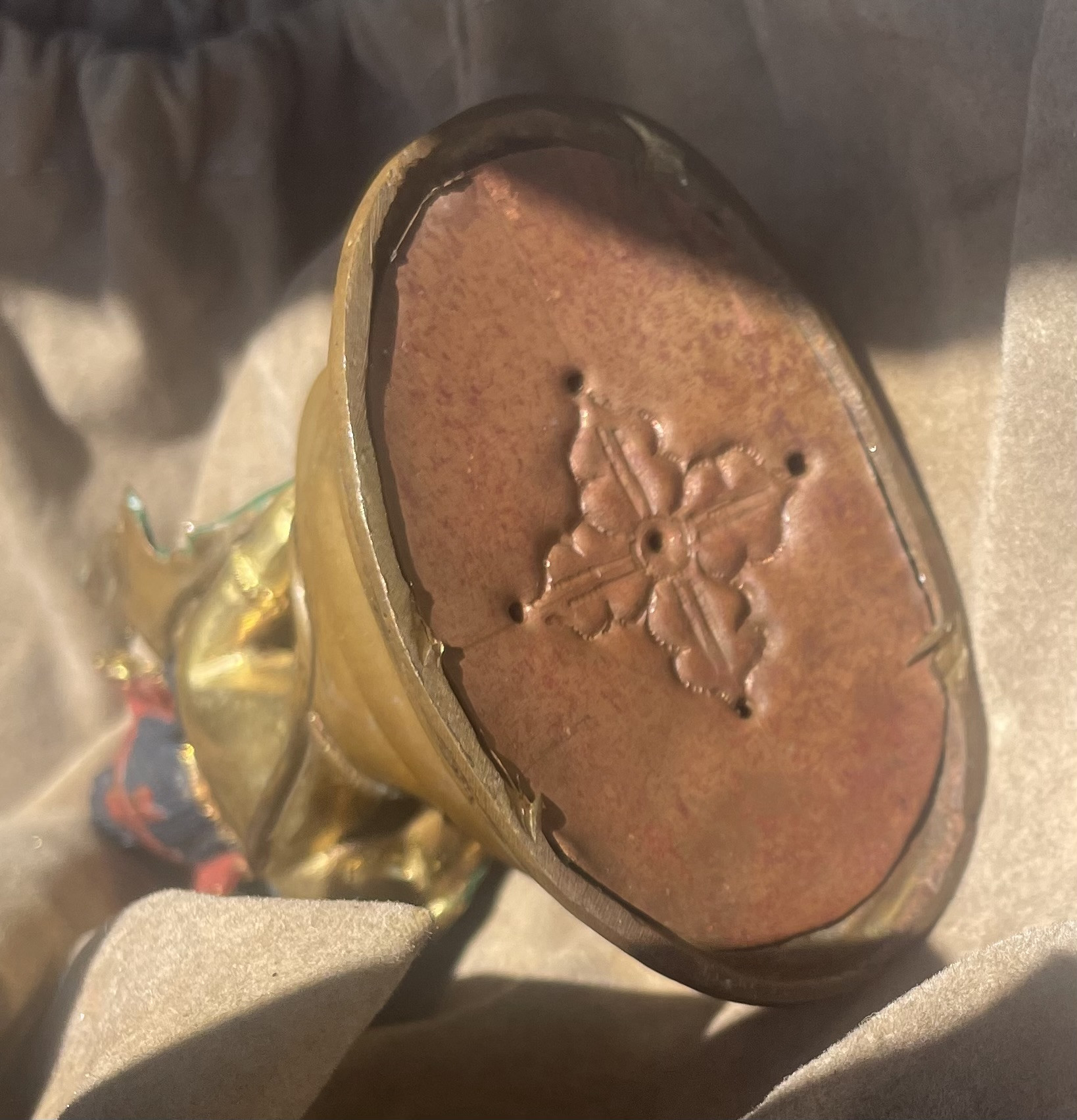
Materials & making:
Dimensions/weight (owner): c. 5 in. high; about 1 lb.
Dating & origin
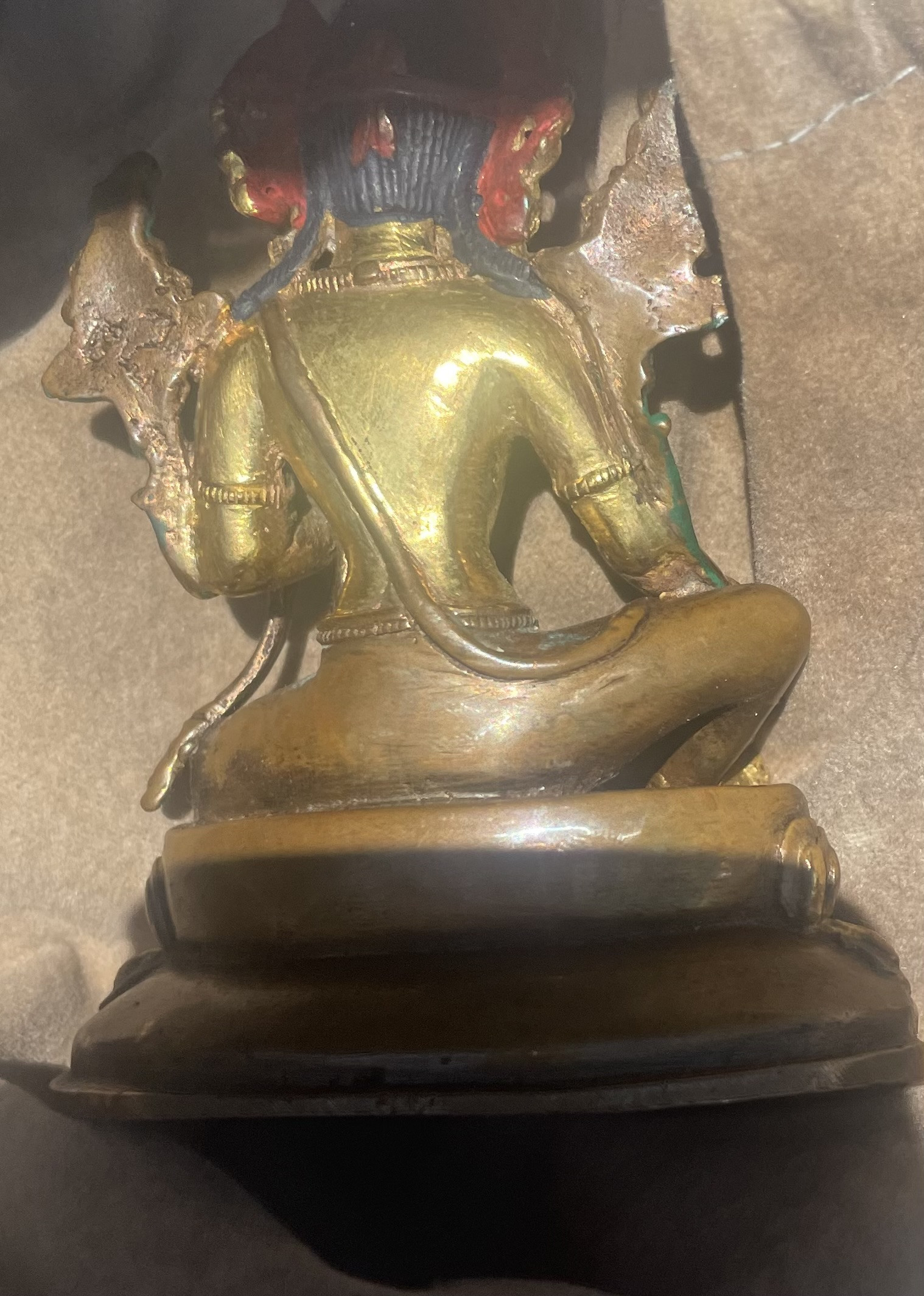
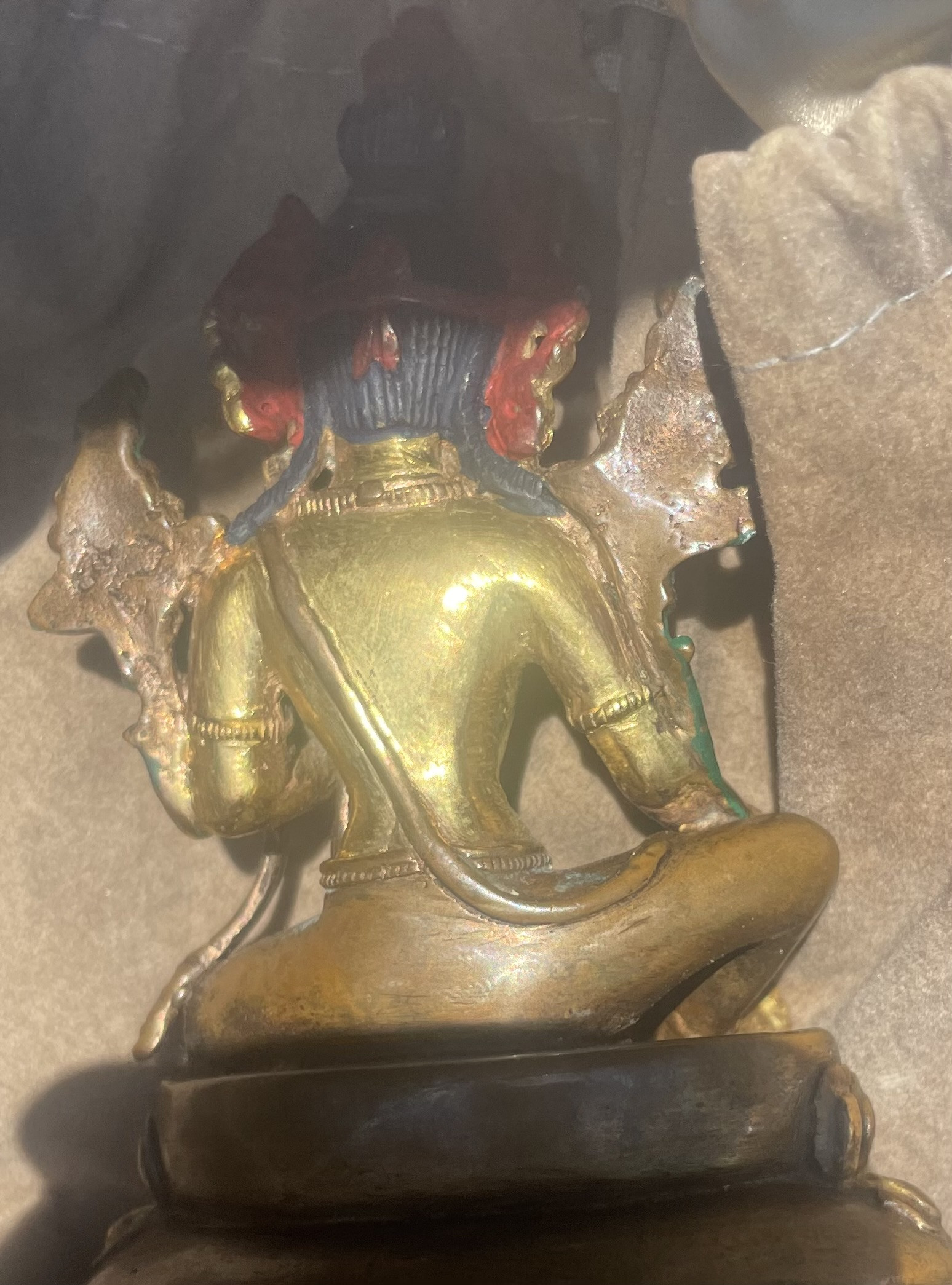
Stylistic features (turquoise inlay, bright polychrome, the style of the lotus base and sealed plate) point to Nepalese workshop production for the Tibetan market, late 20th century (c. 1980–2005). Earlier Himalayan bronzes (19th–early 20th c.) usually have thicker mercury gilding, less bright paint, and different finishing to the base seal.
Condition
Overall good: gilding still bright; some wear and small losses to the green/white paint on the lotus leaves; minor rubbing to high points; base plate intact. No obvious structural breaks in the photos.
Market value (2025)
Values vary by size, gilding quality and age. For a 5-inch, late-20th-century, Nepalese gilt bronze Green Tārā:
(If the figure were earlier—19th/early 20th century—with heavy original mercury gilding and no modern paint, similar pieces can move into the high hundreds or more. Your example appears later.)
Notes on authentication
For a formal appraisal (insurance, donation, or higher-value attribution), consult a specialist in Himalayan art—look for dealers/appraisers affiliated with organizations such as the Appraisers Association of America or a museum Asian-art department. Bring clear photos of the front, back, underside, and close-ups of the face, crown, and base