
Photos Submitted for Appraisal
🔍 Click to enlarge and inspect marks, signatures, and condition detailsTap to zoom and inspect details
AI Appraisal
Description
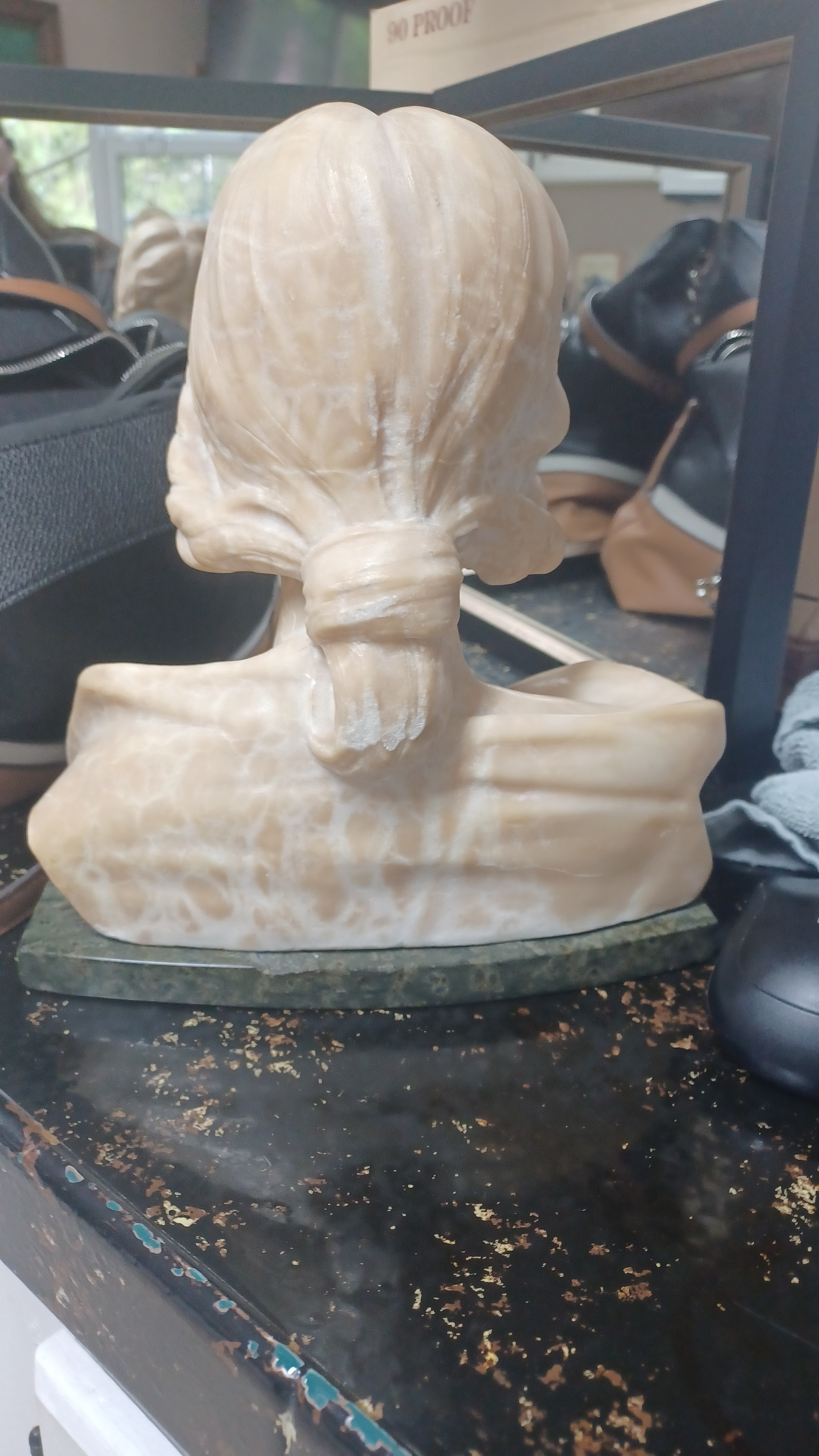
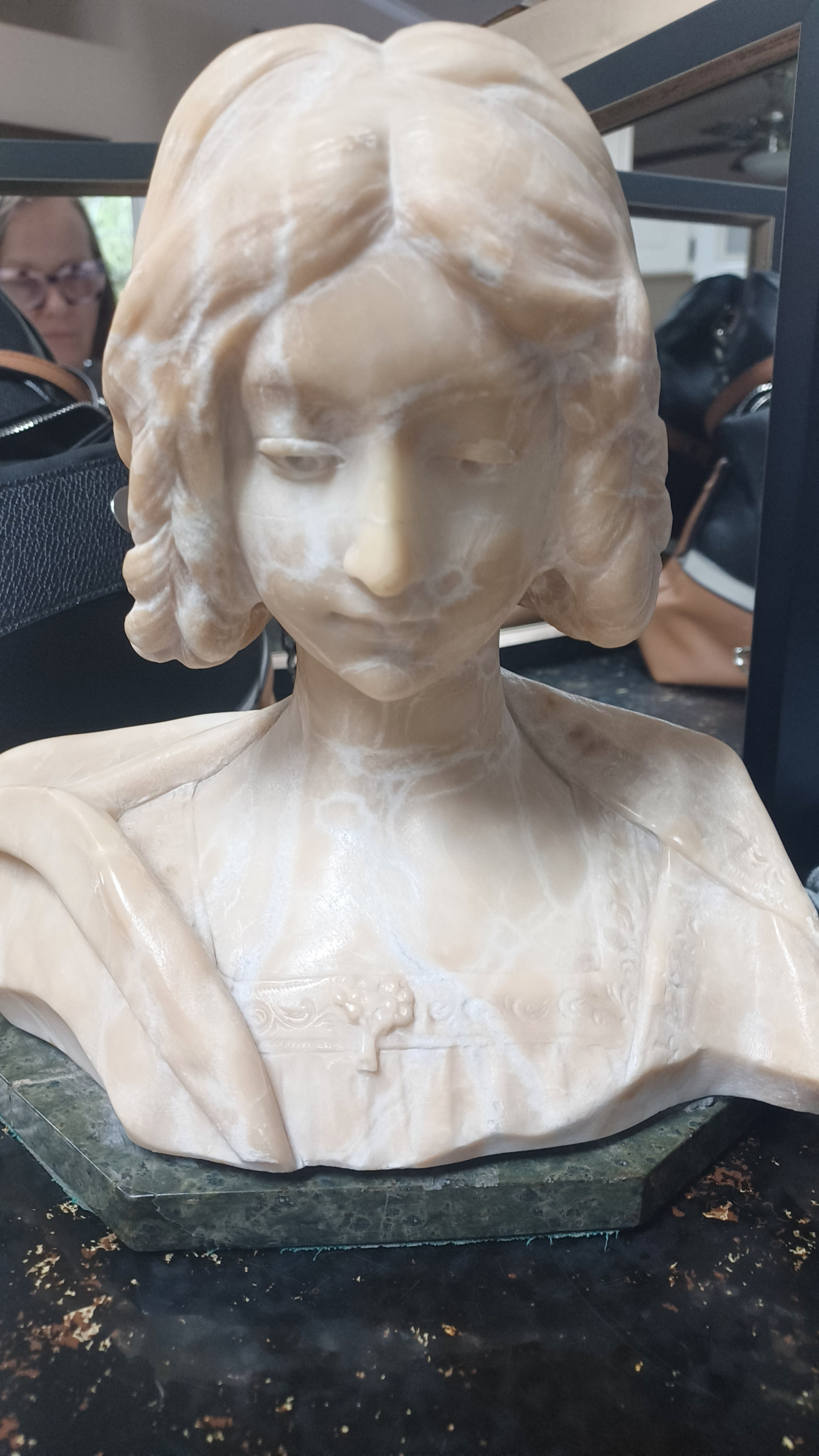
Marble bust unknown age or origin
Category
Other
Medium
Marble i think
Distinguishing marks
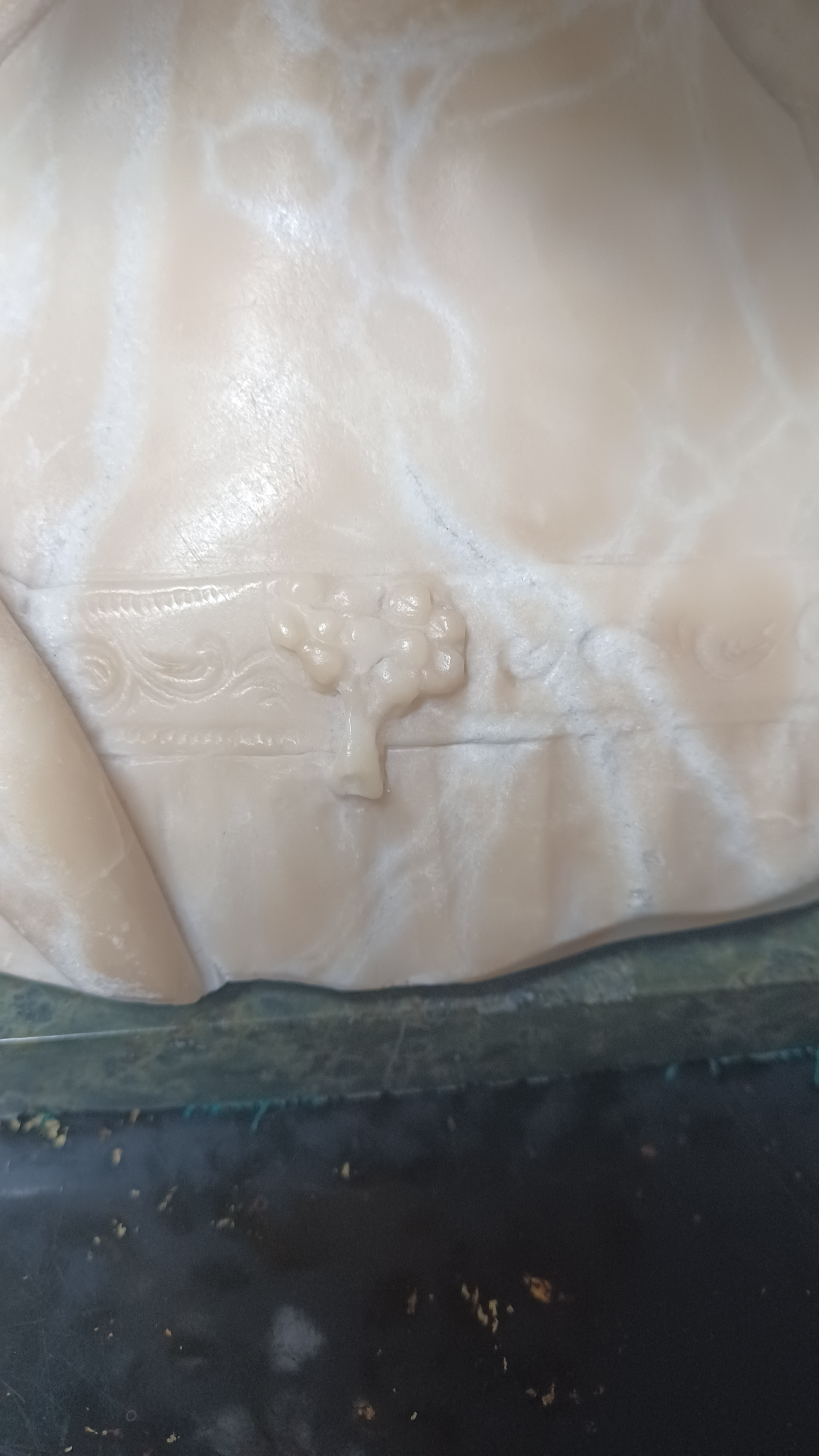
no signature
Condition
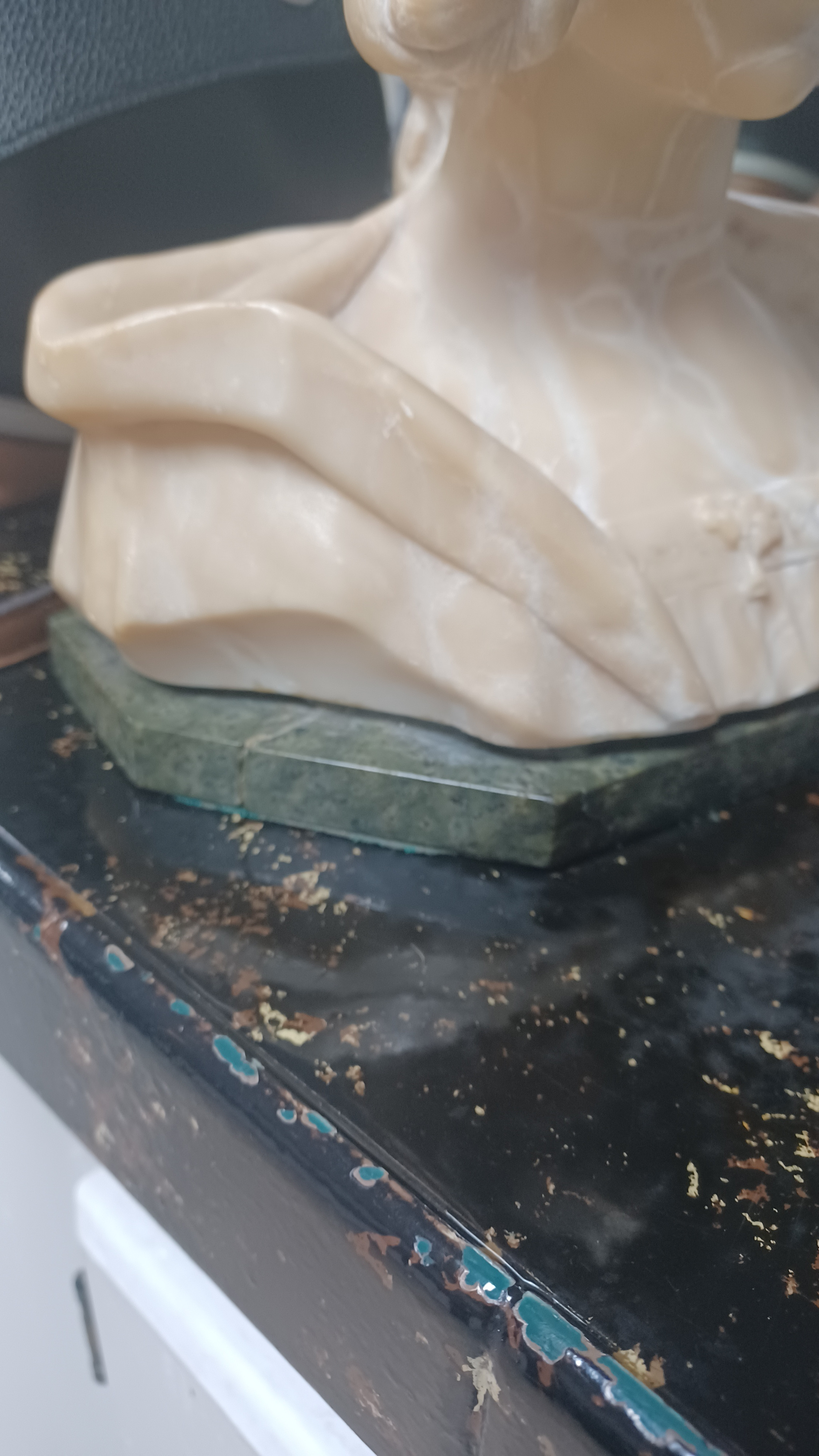
Good
Size and dimensions of this item
9 in x 8 in x 5 in
Date Period
unknown
Weight
10 pounds
History
estate cleaning of a couple who traveled extensively
Price Paid (If known)
unk
Collectors with this item
Want to appraise yours? Upload photos for a free appraisal →
⚠️ You have 1 free appraisal left today
Upgrade for 15-30/day →
Want more from your appraisals?
View Plans →
Upgrade for PDF reports, more daily appraisals, and ad-free experience.
Collector Discussion
Do you recognize this piece? Collectors often identify maker marks, share comparable sales, or suggest additional research steps.
Marble Bust of a Young Woman
Object Type:
Description and Features:
Stylistic Assessment:
This bust is sculpted in a Romantic or Neoclassical Revival style, which gained popularity in late 19th to early 20th century decorative arts. The soft features, serene expression, and detailed clothing suggest a European origin, possibly Italian or French, where such alabaster busts were often sold as souvenirs or decor during the Grand Tour era or later export waves (ca. 1880–1930).
The facial stylization and tied hair suggest a sentimental or allegorical representation, possibly depicting a maiden or muse figure, a common theme in Victorian and Edwardian sculpture.
Condition:
Historical Context:
Busts of this nature were commonly produced in Carrara (Italy) and parts of France and Spain from the late 19th century onward. Alabaster and softer marbles were often chosen for small-scale busts due to their ease of carving and warm finish. These pieces were frequently exported to Europe and North America as fine decorative items or collected by wealthy travelers.
Estimated Market Value (as of 2025):
Venue
Value Range (USD)
General Antiques Dealer
$150 – $300
Specialty Auction (Sculpture)
$250 – $500
Retail (Vintage Decor)
$350 – $600+
If Artist Identified
$500 – $1,500+ (varies widely)
Comparable Sales:
Recommendations:
Summary:
This is a well-crafted antique or early 20th-century marble/alabaster bust, most likely European, in the Neoclassical or Romantic style. It retains solid aesthetic and collector value despite being unsigned, with additional appeal due to its quality craftsmanship and preserved condition. It would be especially attractive to collectors of Victorian decor, Grand Tour sculpture, or classical portraiture.