
Click any image to enlarge
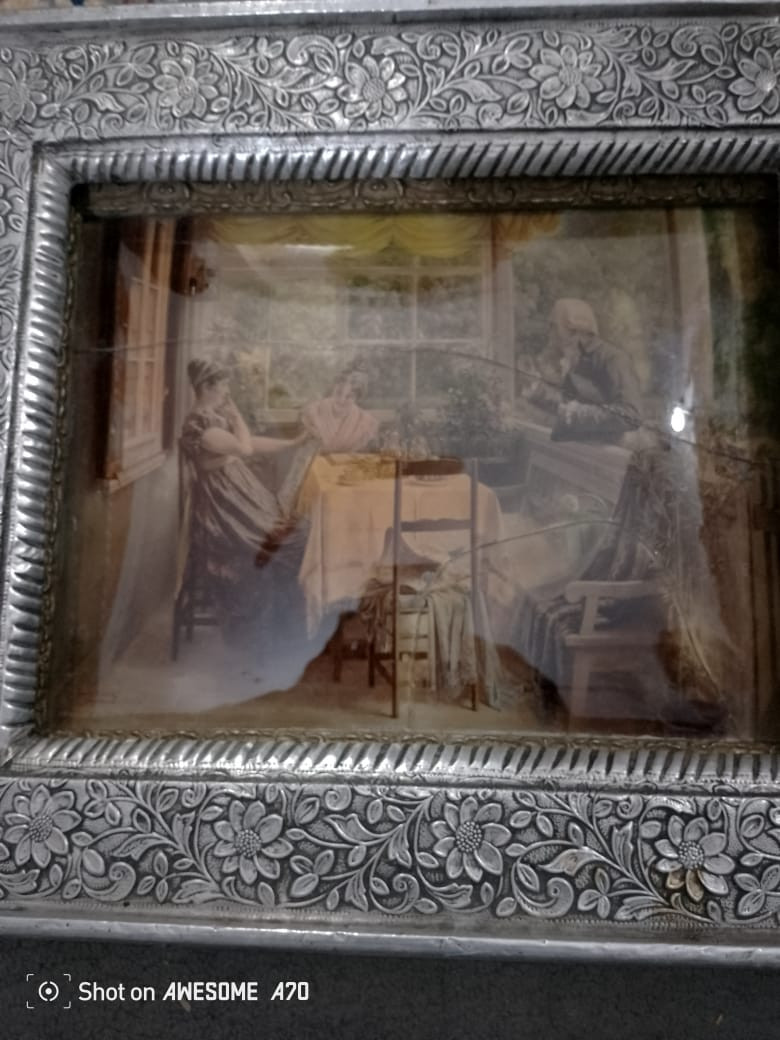
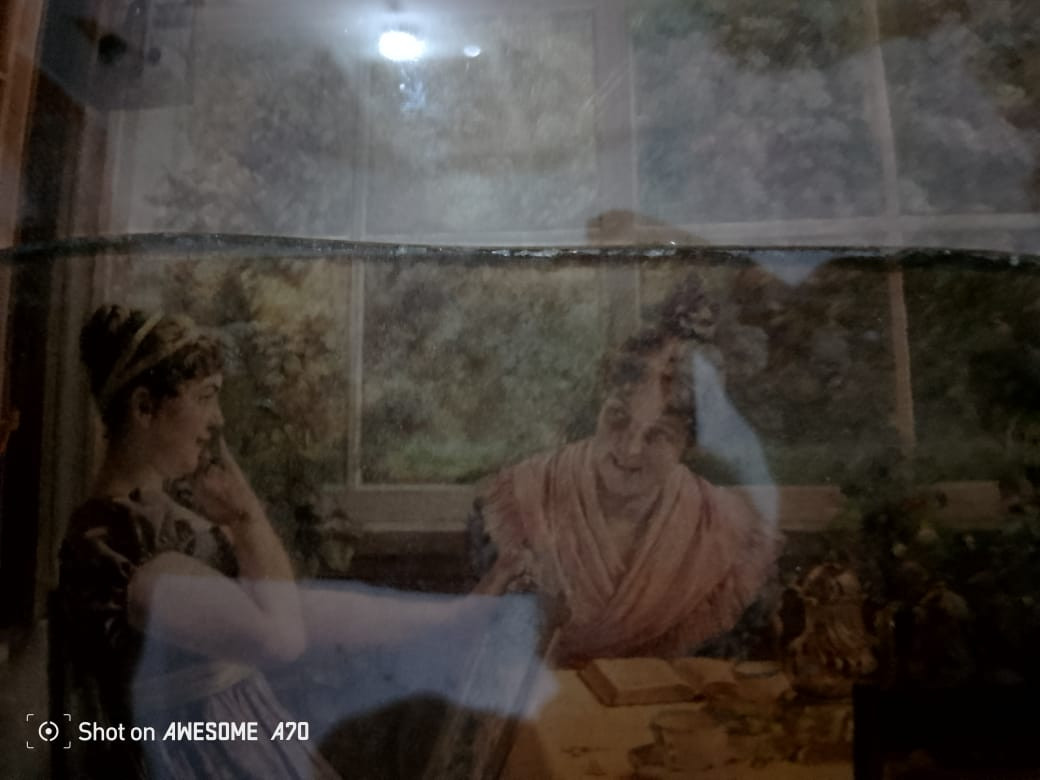
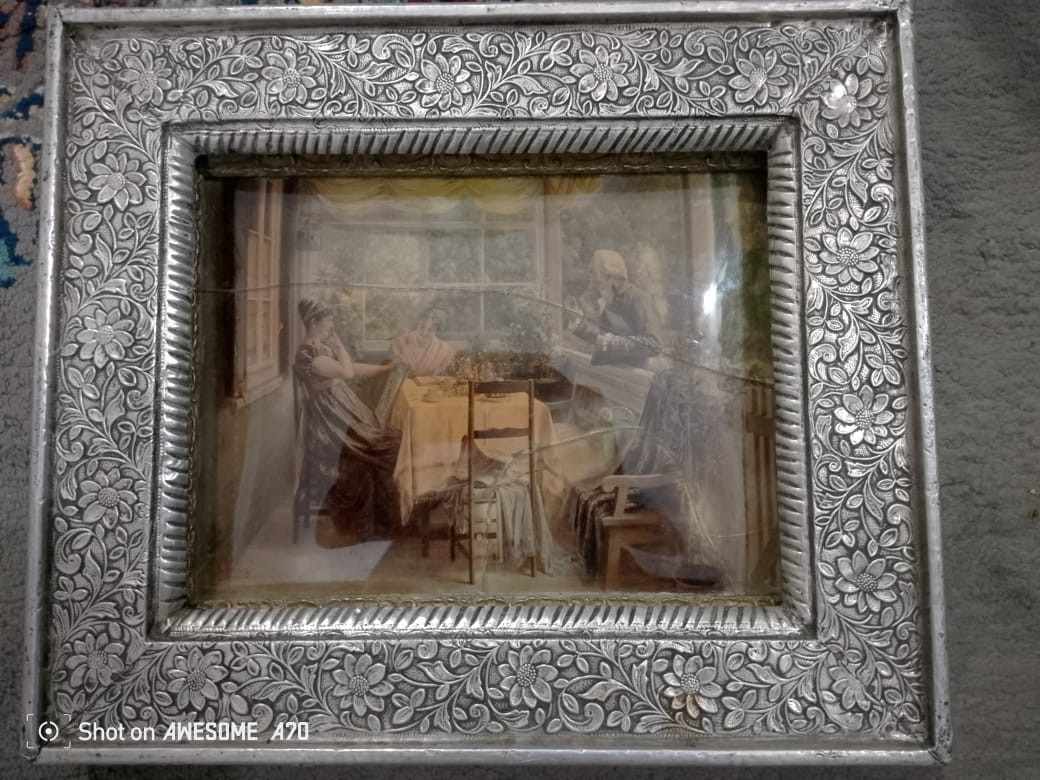
This piece features a beautifully ornate silver-toned frame with intricate floral and vine motifs that suggest late Victorian or Edwardian craftsmanship. Inside the frame is a printed scene showing three figures gathered around a table near a sunlit window, dressed in what appears to be 19th-century European attire. The group seems engaged in conversation or reading, hinting at a domestic or scholarly theme.
📚 The print’s tonal quality and subject matter may place it within the realm of historical genre prints, possibly influenced by Romantic or Academic styles. We're unsure whether it's an original engraving, lithograph, or later reproduction.
🔍 Looking for help identifying:
- The origin and approximate date of the artwork
- Whether the frame design corresponds to a particular era or region
- Artist or publisher clues (no visible signature)
- Potential market or historical value
Any insight from fellow collectors or art historians would be greatly appreciated!
Upgrade for PDF reports, more daily appraisals, and ad-free experience.
Reverse Glass Painting in Silver Floral Frame
Report: Reverse Glass Painting in Silver Floral Frame
Item Overview
Detailed Description
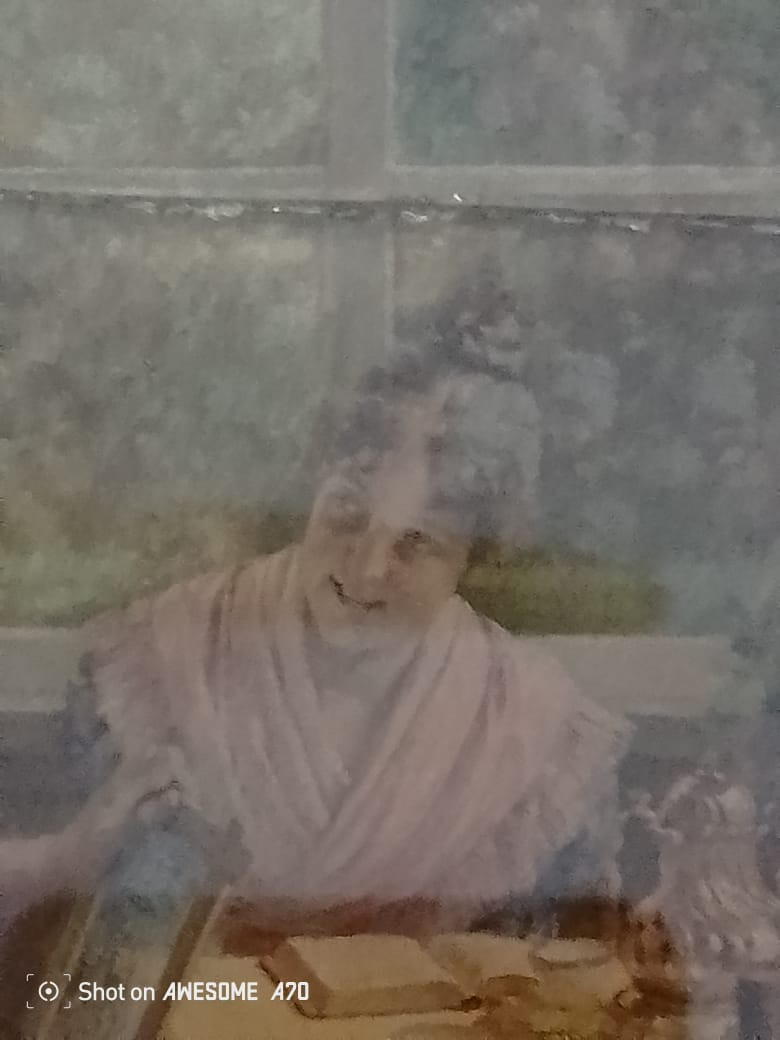
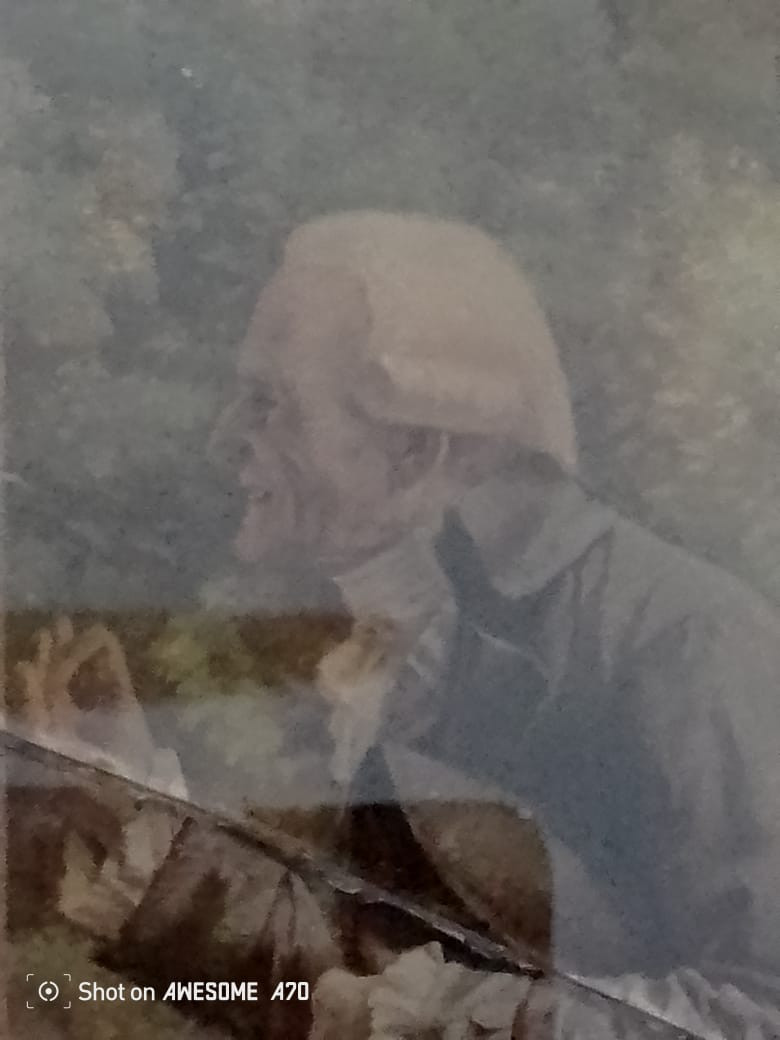
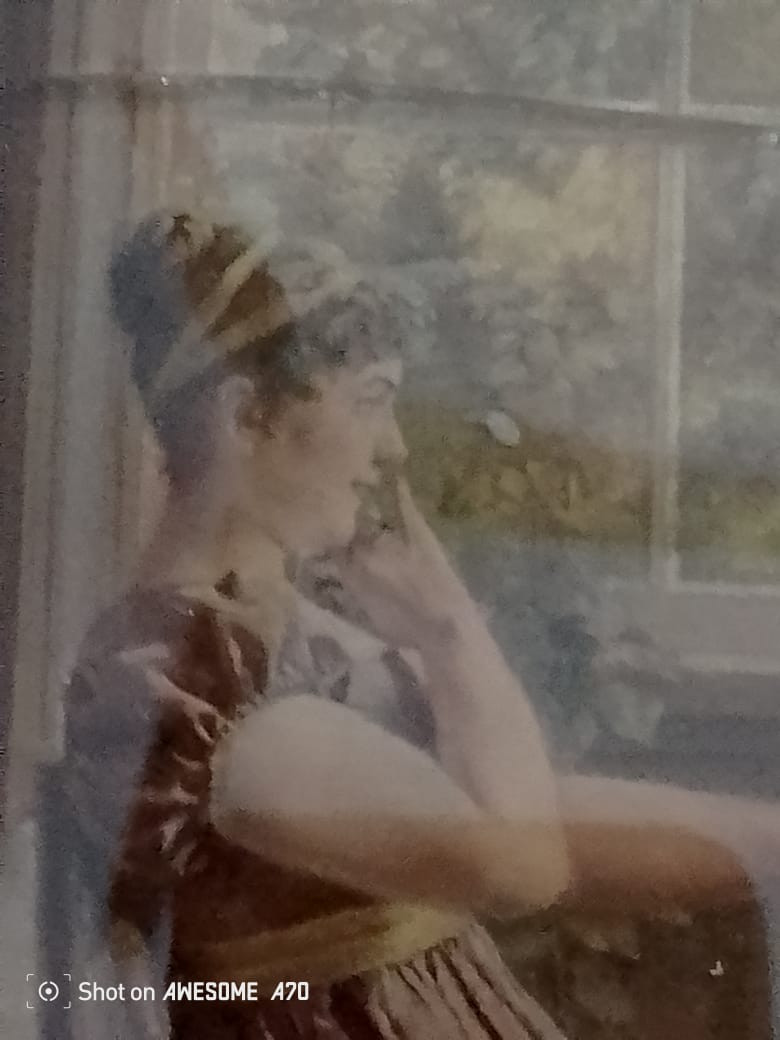
This is a striking example of reverse painting on glass, depicting a serene domestic scene featuring three figures—two women and one older man—around a tea table in a sunlit interior with a garden visible through a large window. The women’s dresses and the man's wig or coiffure suggest early- to mid-19th century European fashion, likely inspired by Georgian or early Victorian England.
The painting has been mounted in an elaborate silver-toned frame featuring hand-embossed floral and vine patterns. The craftsmanship of the frame points to late Victorian or early Edwardian decorative styles (circa 1880–1910), particularly popular in Europe and colonial India.
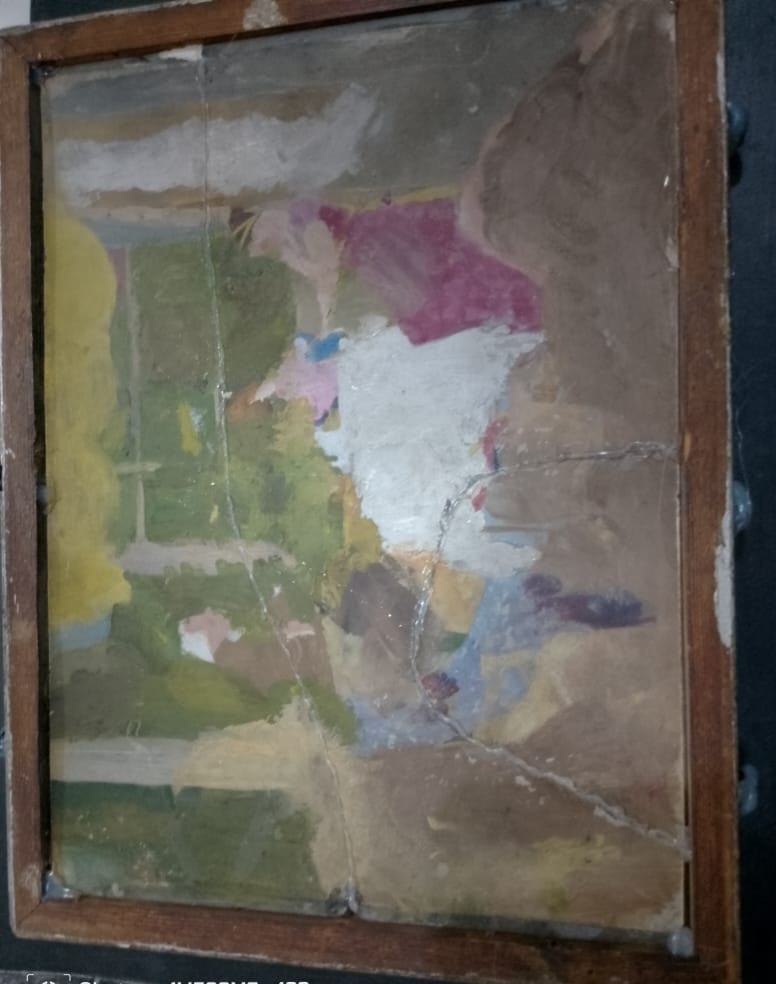
The reverse of the painting shows bold color blocks and hand-painted strokes, indicating this may not be a mass-produced print but a hand-finished or entirely hand-rendered image on the reverse of the glass. This technique was often used in Europe and parts of Asia to achieve rich, luminous tones through the glass surface. The scene evokes the intimacy and storytelling of genre paintings—popular during the Romantic and Academic periods of the 19th century.
Authentication & Style Notes
Condition Notes
Estimated Value (2025 Market)
Valuation Type
Estimate
Decorative Arts Value
$200 – $400 USD
Collector’s Value (if artist is identified)
$500 – $1,200+ USD
Frame alone (Victorian-style)
$75 – $150 USD
🔎 If this painting can be conclusively attributed to a known 19th-century artist or publisher, its value may rise significantly.
Recommendations
Summary
This is a charming and moderately rare decorative artwork, blending the tradition of reverse glass painting with Victorian-era domestic themes. While its current monetary value sits within the mid-range of antique décor and genre art, proper identification and preservation could enhance its historical and market significance.