AI Appraisal
Description
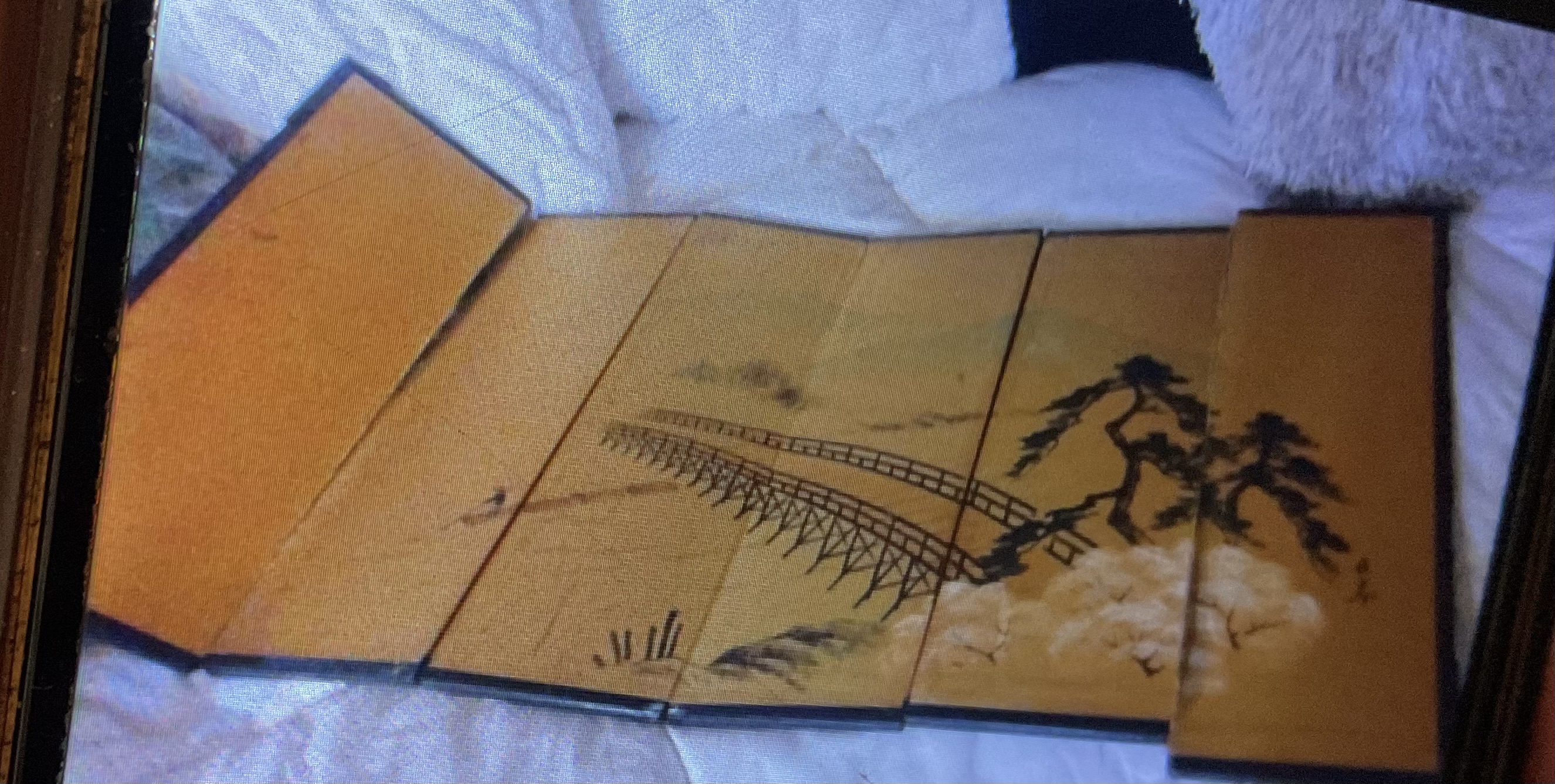
Japanese folding screen
Category
Asian Art
Medium
Rice paper
Condition
Poor
⚠️ You have 1 free appraisal left today
Upgrade for 15-30/day →
Want more from your appraisals?
View Plans →
Upgrade for PDF reports, more daily appraisals, and ad-free experience.
AI Appraisal: Screen
🤖 AI-POWERED EXPERT APPRAISAL
Informed by 25+ years of real InstAppraisal history
🏛️ Archive-Informed AI — Powered by InstAppraisal's 25+ years of appraisal expertise
Confidence Level: 85%
Appraisal of Japanese Folding Screen
Category: Decorative Arts
Condition: Excellent (5/5)
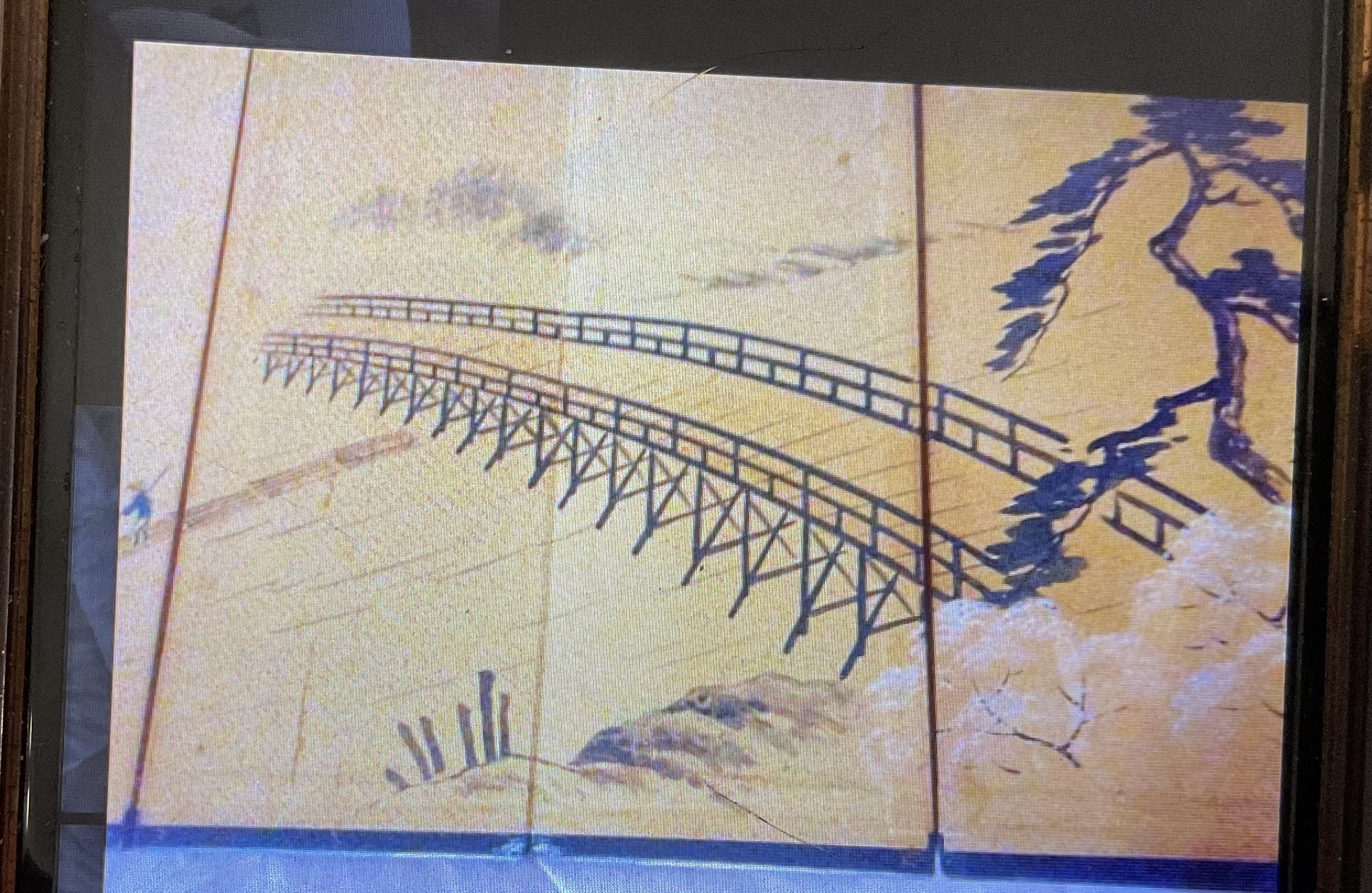
Description: This Japanese folding screen, also known as a "byōbu," features a traditional design on rice paper. The screen is composed of multiple panels, showcasing a serene landscape with a bridge and pine trees, indicative of classical Japanese aesthetics. The dimensions are not specified but typically range from 4 to 6 feet in height and can vary in width depending on the number of panels.
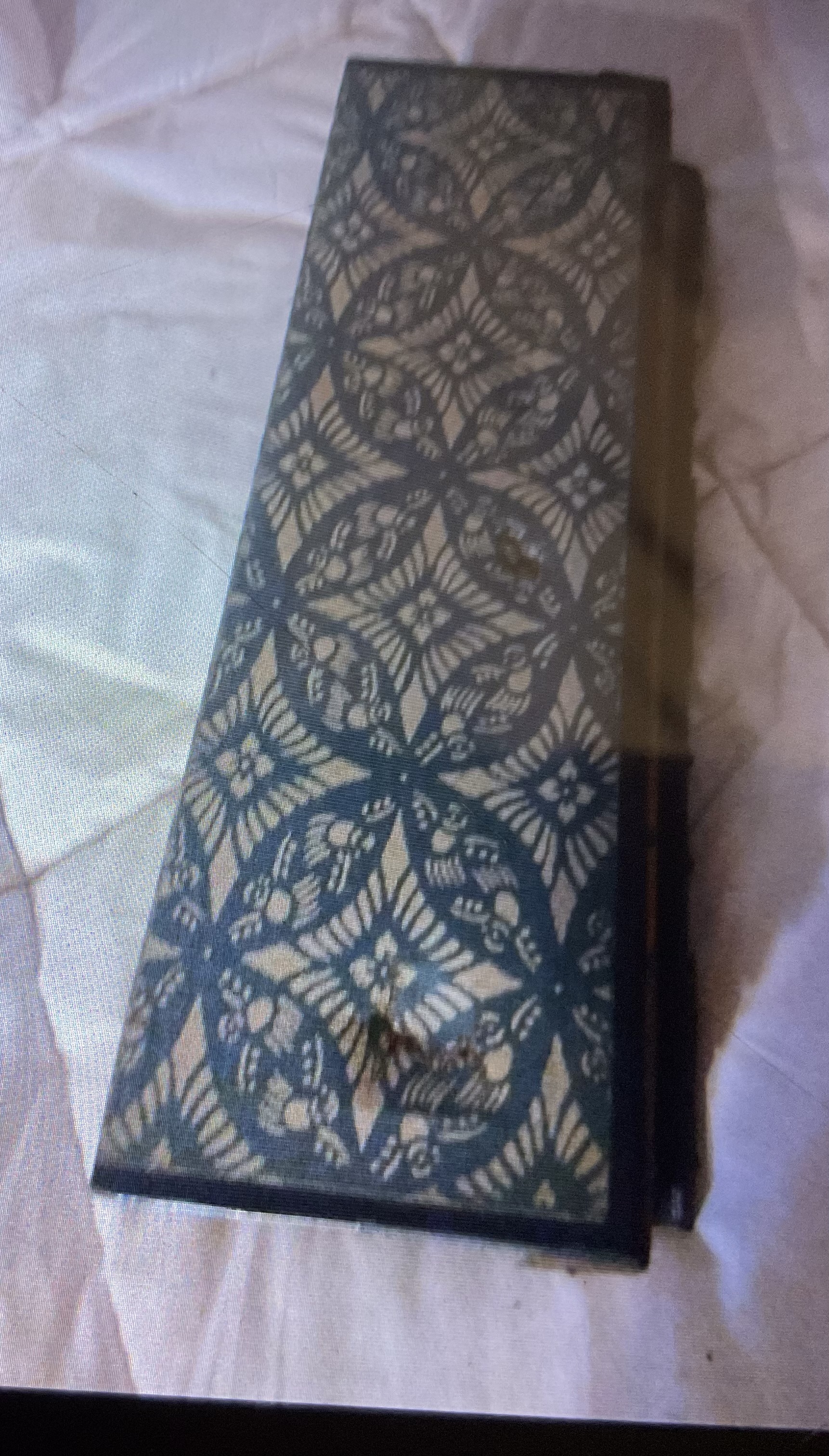
Materials: The screen is constructed from rice paper, a common medium in Japanese art, mounted on a wooden frame. The use of rice paper allows for delicate and intricate designs, often enhanced with ink and color.
Condition Assessment: The screen is in excellent condition with minimal signs of wear. There are no visible tears or significant discoloration, although some minor creases may be present due to age. The painted designs remain vibrant and well-preserved.
Historical Context: Folding screens have been used in Japan since the 7th century and became prominent during the Edo period (1603-1868). They served both functional and decorative purposes, often used to divide spaces or as backdrops for ceremonies. The artistry involved in creating these screens reflects the cultural values of harmony with nature and the importance of aesthetics in daily life.
Collector Appeal: Collectors value Japanese folding screens for their artistic merit, historical significance, and the craftsmanship involved in their creation. The rarity of specific designs, especially those depicting traditional scenes, enhances their desirability. Additionally, the growing interest in Asian art and culture has increased the appeal of such items among collectors worldwide.
Interesting Facts: The intricate designs often include motifs of nature, such as mountains, rivers, and flora, symbolizing tranquility and beauty. The use of gold leaf or metallic pigments is also common in high-quality screens, adding to their visual impact.
Comparable Sales:
Search: eBay Sold | LiveAuctioneers | Invaluable | Heritage | 1stDibs | Worthpoint
Confidence Level: 0.85
Company History: The tradition of folding screens in Japan is deeply rooted in the country's artistic heritage, with various schools and artists contributing to its evolution over centuries. Many renowned artists, such as Ogata Kōrin and Katsushika Hokusai, have created screens that are now highly sought after by collectors.
Item History: Specific history for this item is not provided, but it likely reflects the craftsmanship and cultural significance of Japanese art.
💰 ESTIMATED VALUE
$1,500 - $3,000
📋 Important Note:
This AI-generated appraisal is based on the provided information and 4 submitted photos. For high-value items or final authentication, please consult with a certified human appraiser.
📖 How This Appraisal Was Created
This appraisal was generated using AI analysis informed by InstAppraisal's 25+ years of archived appraisals, market observations, and community expertise.
Learn more about our Archive-Informed AI →
⚡ Want More Appraisals?
Upgrade to get 15-30 appraisals/day, PDF reports, ad-free experience, and priority support.
Have another item to appraise?
Start Another Free Appraisal →Trusted by 40,000+ collectors • 85,000+ appraisals completed