
Photos Submitted for Appraisal


🔍 Click to enlarge and inspect marks, signatures, and condition detailsTap to zoom and inspect details

AI Appraisal
Description
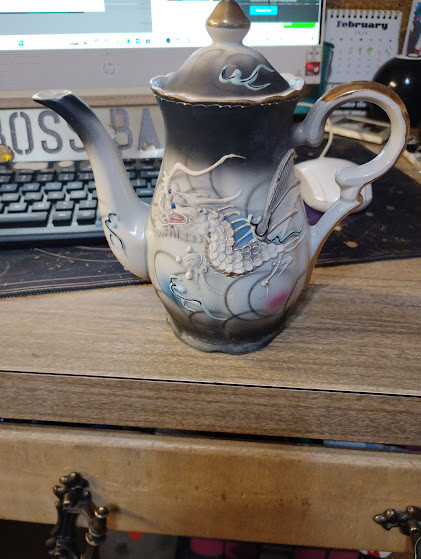
japanese tea set my great uncle brought back for my great grandmother during ww2
Category
Asian Art
Condition
Excellent
Collectors with this item
Want to appraise yours? Upload photos for a free appraisal →
⚠️ You have 1 free appraisal left today
Upgrade for 15-30/day →
Want more from your appraisals?
View Plans →
Upgrade for PDF reports, more daily appraisals, and ad-free experience.
Collector Discussion
Do you recognize this piece? Collectors often identify maker marks, share comparable sales, or suggest additional research steps.
Japanese Moriage Dragonware Tea Pot
Japanese Moriage Dragonware Tea Pot
Origin: Japan
Period: Circa 1920s–1940s (Taishō to early Shōwa period)
Style: Moriage Satsuma-style Dragonware
Material: Porcelain with raised slip (moriage) decoration
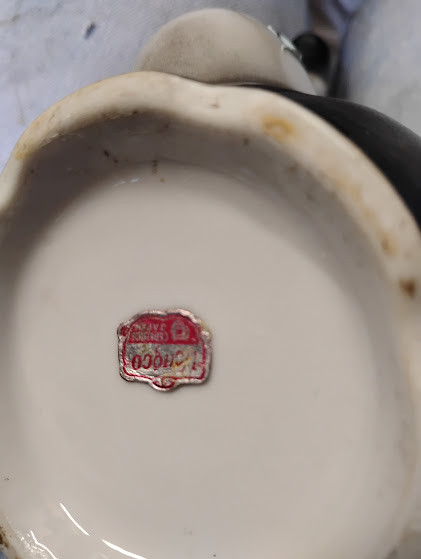
Mark: The red label on the base marked “Made in Japan” with a serial number suggests post-1921 export and likely pre-1952 manufacture
Condition: Excellent (based on images, no apparent cracks, chips, or heavy wear)
Description:
This is a beautifully preserved example of Japanese "Dragonware"—a type of moriage porcelain characterized by raised, hand-applied enamel decoration featuring mythological dragons in dynamic poses. The tea pot is part of a set commonly brought back by servicemen during World War II as souvenirs.
The dark-to-light gradient glaze (black to gray with white) is typical of this style, and the finely detailed dragon in relief adds both aesthetic and collectible value. The lid appears original and intact, which is important for maintaining full value.
Historical Significance:
The label suggests this was manufactured for export, likely between the 1920s and 1940s. These pieces became widely known due to U.S. servicemen returning from Japan and the Pacific with such items after WWII. Dragonware became especially popular in the U.S. collector market during the mid-20th century.
Estimated Value:
Prices may increase for full sets in pristine condition with original boxing or provenance (e.g., documented connection to a WWII soldier).
Selling Recommendations:
If you wish to sell in the U.S., consider:
Recommendation:
If you have additional pieces (e.g., teacups, saucers, sugar bowl, creamer), it’s ideal to photograph and document them for a full set appraisal. For highest return, selling as a complete set is recommended. If the set has provenance (e.g., a note from your great uncle or a period photo), this could further increase buyer interest.
i do have full set
i do have full set