
Photos Submitted for Appraisal
🔍 Click to enlarge and inspect marks, signatures, and condition detailsTap to zoom and inspect details
AI Appraisal
Description
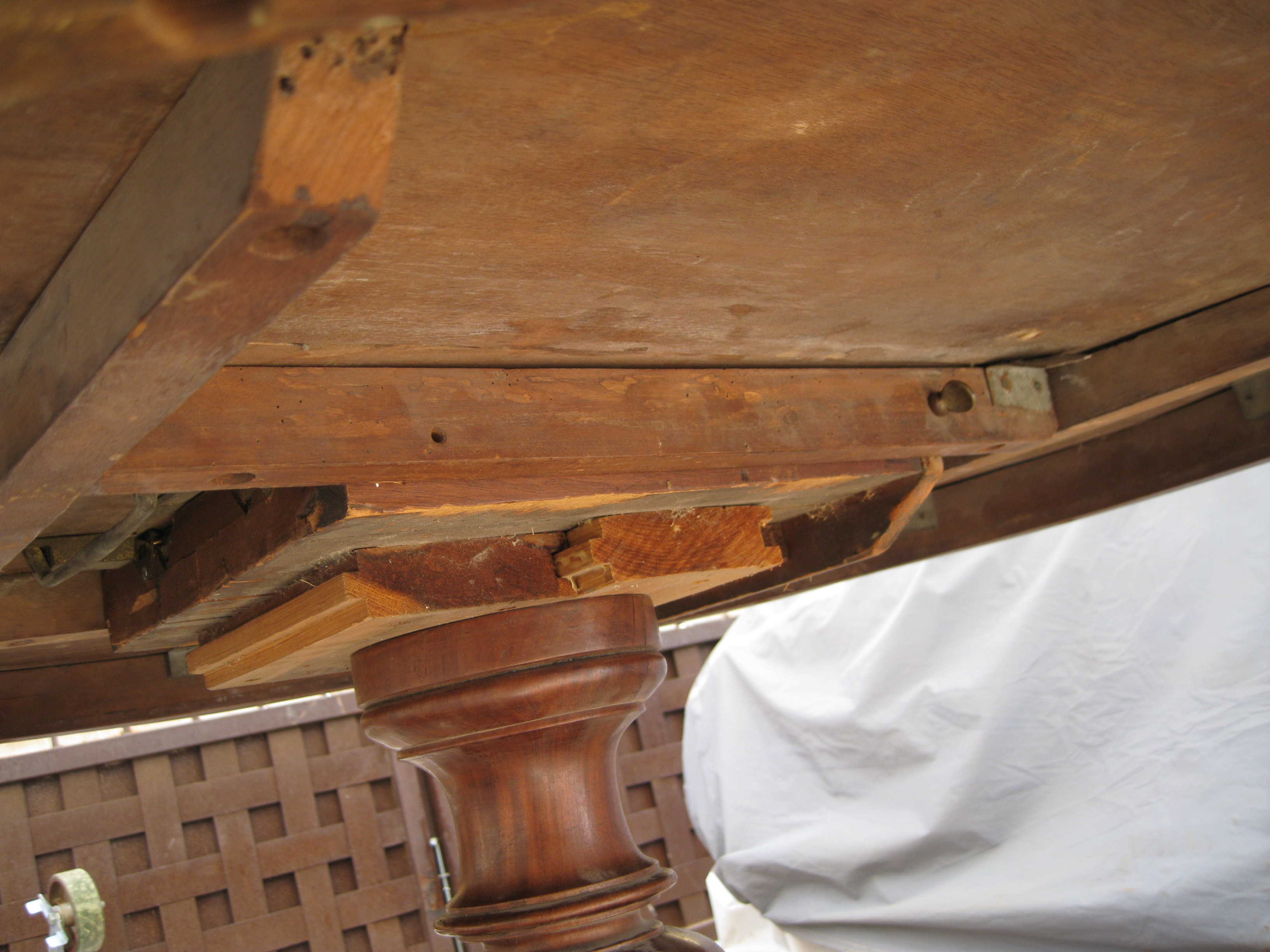
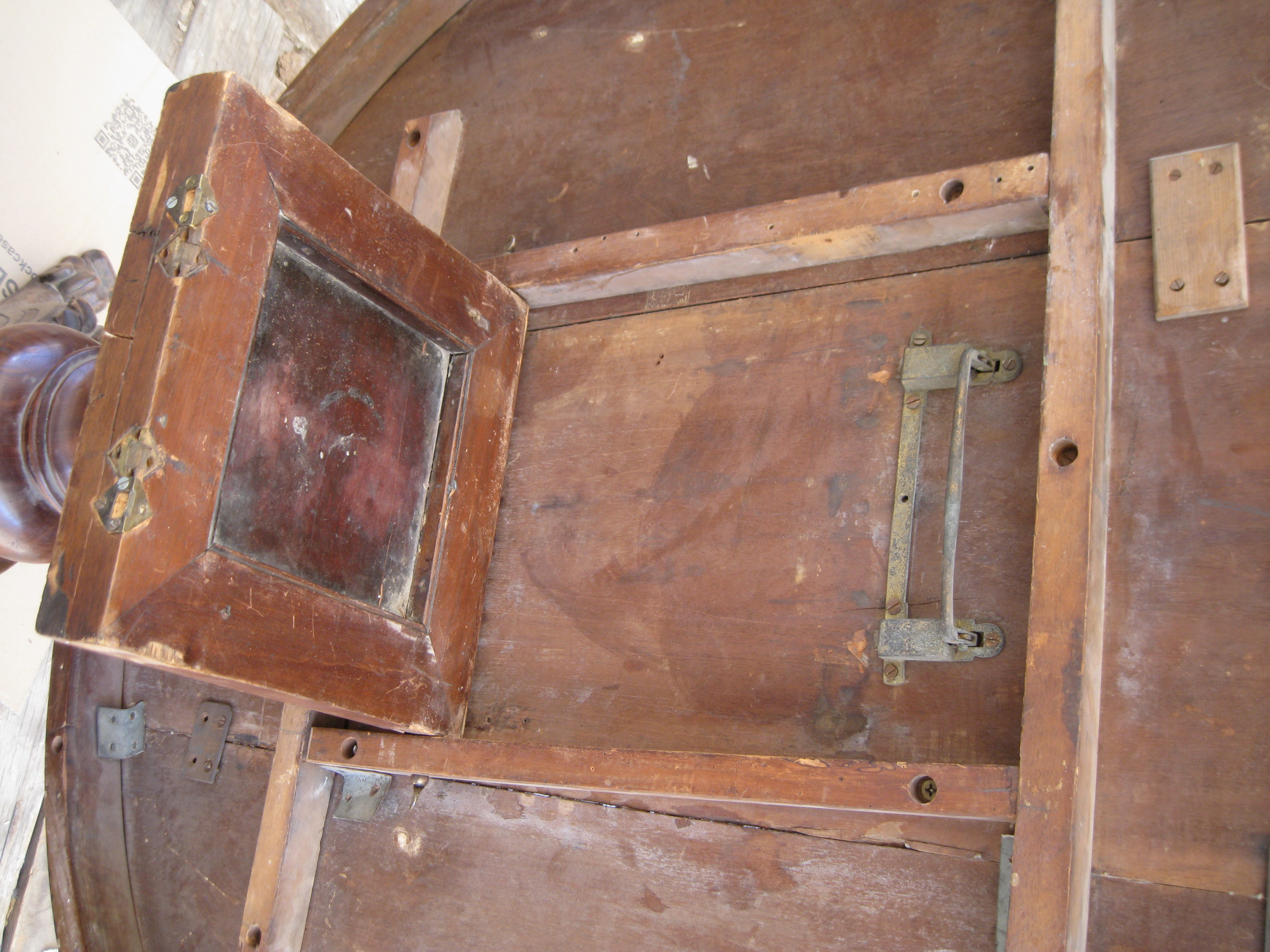
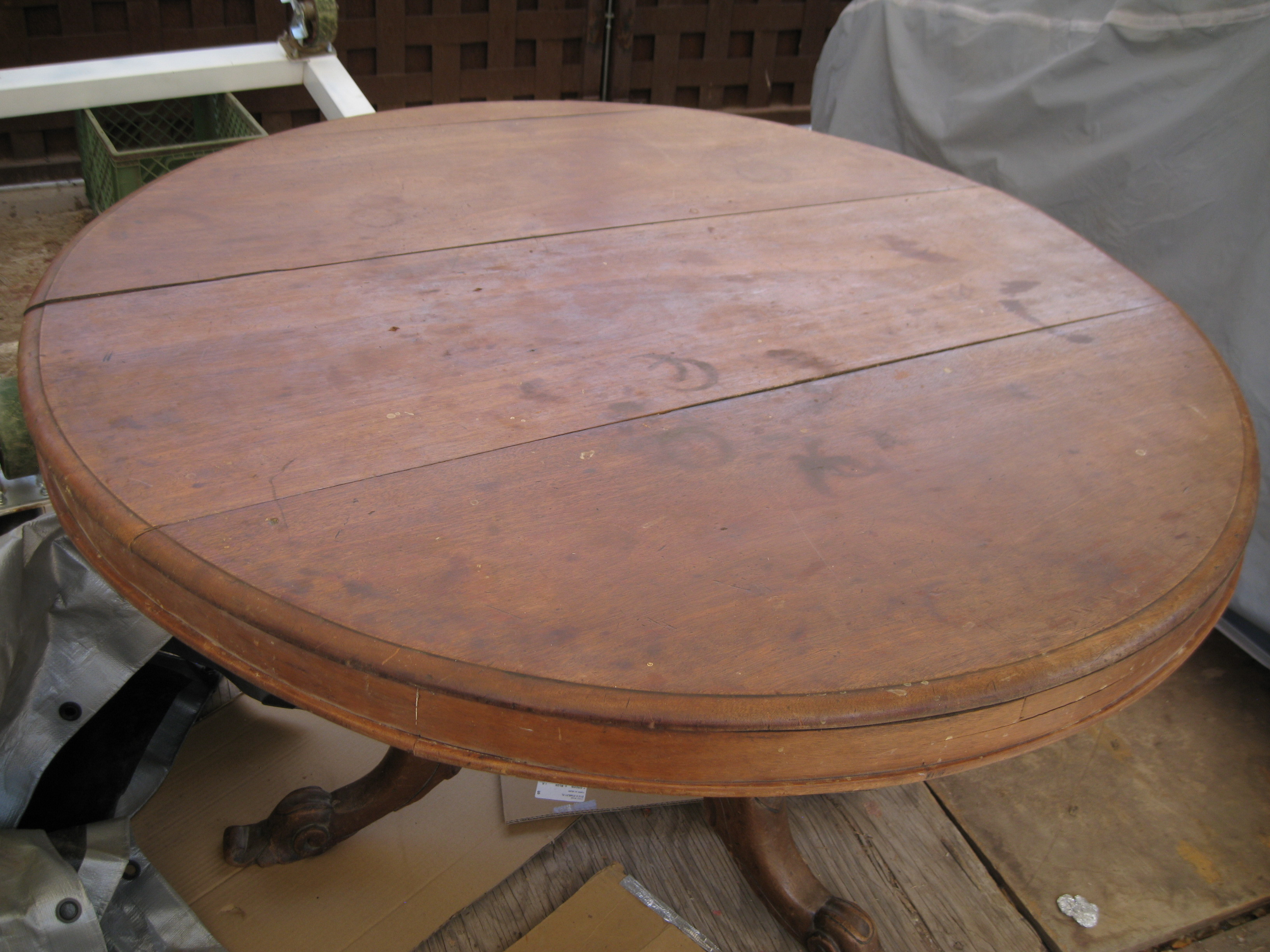
Tilt top dining table. 36 round Mahogany. Nuts and pivot screws seem hand made.
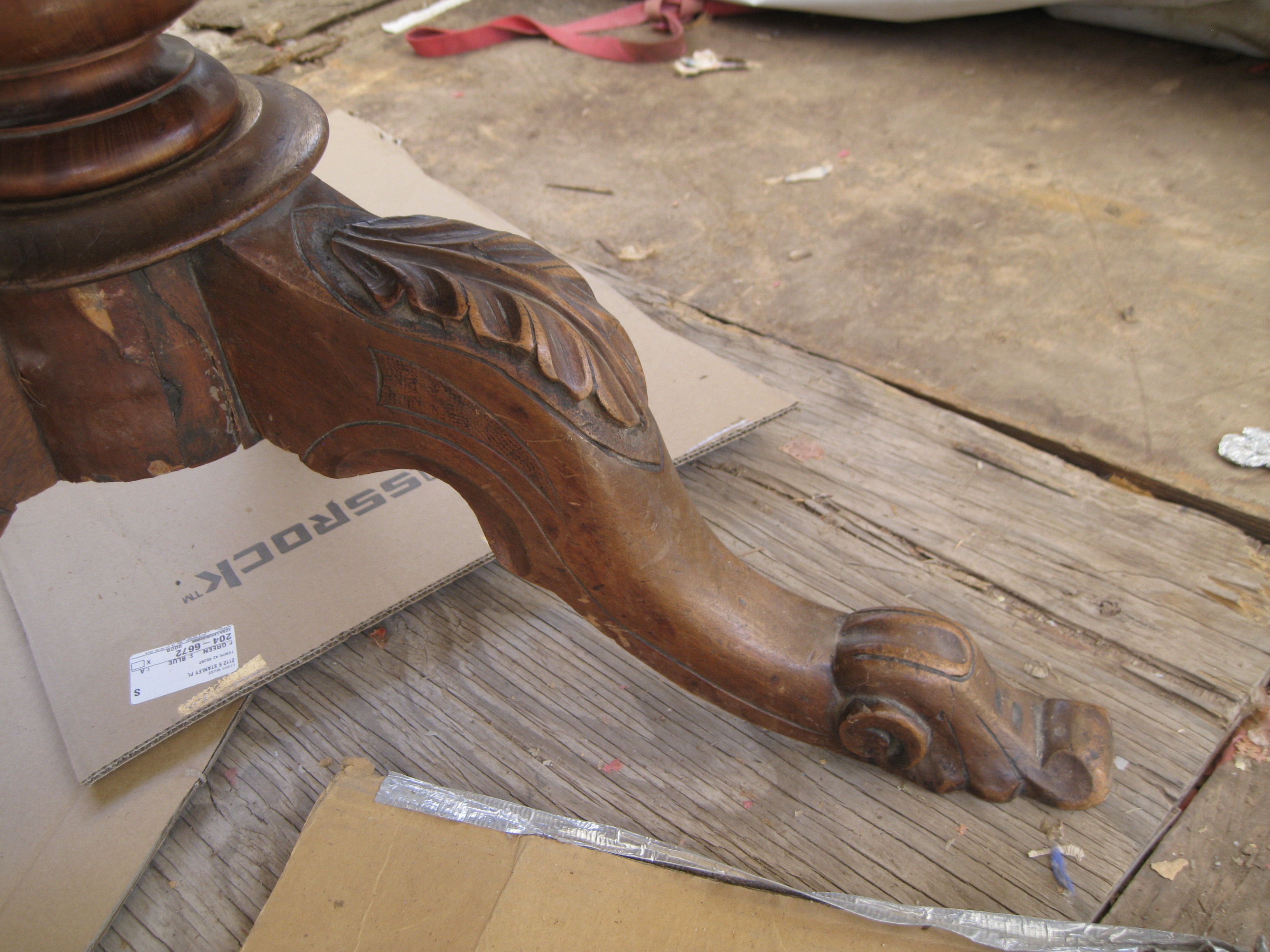
Received from a older family. Trying to decide where it was made as I could not match the feet or some other parts to other tables. Top has 3 large panels and one smaller one.
Category
Furniture
Medium
Mahogany
Distinguishing marks
None that I could find, there were some chalk like marks but unreadable
Condition
Fair
Size and dimensions of this item
36 x 36 x 26? high
Weight
40 pounds
History
Unknown
Collectors with this item
Want to appraise yours? Upload photos for a free appraisal →
⚠️ You have 1 free appraisal left today
Upgrade for 15-30/day →
Want more from your appraisals?
View Plans →
Upgrade for PDF reports, more daily appraisals, and ad-free experience.
Collector Discussion
Do you recognize this piece? Collectors often identify maker marks, share comparable sales, or suggest additional research steps.
Antique Tilt-Top Dining Table
Item Overview
Description & Construction
This is a Victorian-era or possibly late Regency-style tilt-top dining table, constructed from solid mahogany with a carved pedestal and three cabriole legs ending in stylized scroll or animal paw feet.
The tilt-top design—allowing the tabletop to pivot upright for storage—is consistent with furniture made in the mid-19th century (circa 1840–1870). The pivot screws and nuts appear handmade, which also suggests pre-industrial mass-production methods. The underside shows mortise-and-tenon joinery and hand-planed surfaces, further indicating early craftsmanship rather than modern reproduction.
The table's 36" size suggests it was intended for intimate dining, tea service, or as a center parlor table.
Style & Attribution
The carved legs have acanthus leaf detailing—a hallmark of both Victorian and late Regency designs—but the proportions lean toward American-made parlor tables from the mid-19th century. While British tilt-tops are common from earlier decades, this example's hardware and design lean more toward American East Coast manufacture(Philadelphia, Boston, or New York furniture makers) rather than continental European.
The lack of a maker's label or branded stamp is common for this period, as many mid-tier cabinetmakers sold pieces locally without permanent marks.
Condition Assessment
Estimated Age
Based on construction techniques, tilt mechanism design, and overall style: circa 1840–1870 (mid-19th century).
Market Value Estimate (Fair Condition)
Values vary based on condition, provenance, and buyer demand:
The current condition (fair) reduces market value, but restoration could make it much more desirable for collectors or as a statement antique table.
Authentication & Recommendations
Given the table’s hand craftsmanship and age indicators, it is likely an authentic mid-19th-century American or British tilt-top mahogany table. However, without definitive maker marks, exact attribution is challenging.
I recommend: