
Photos Submitted for Appraisal
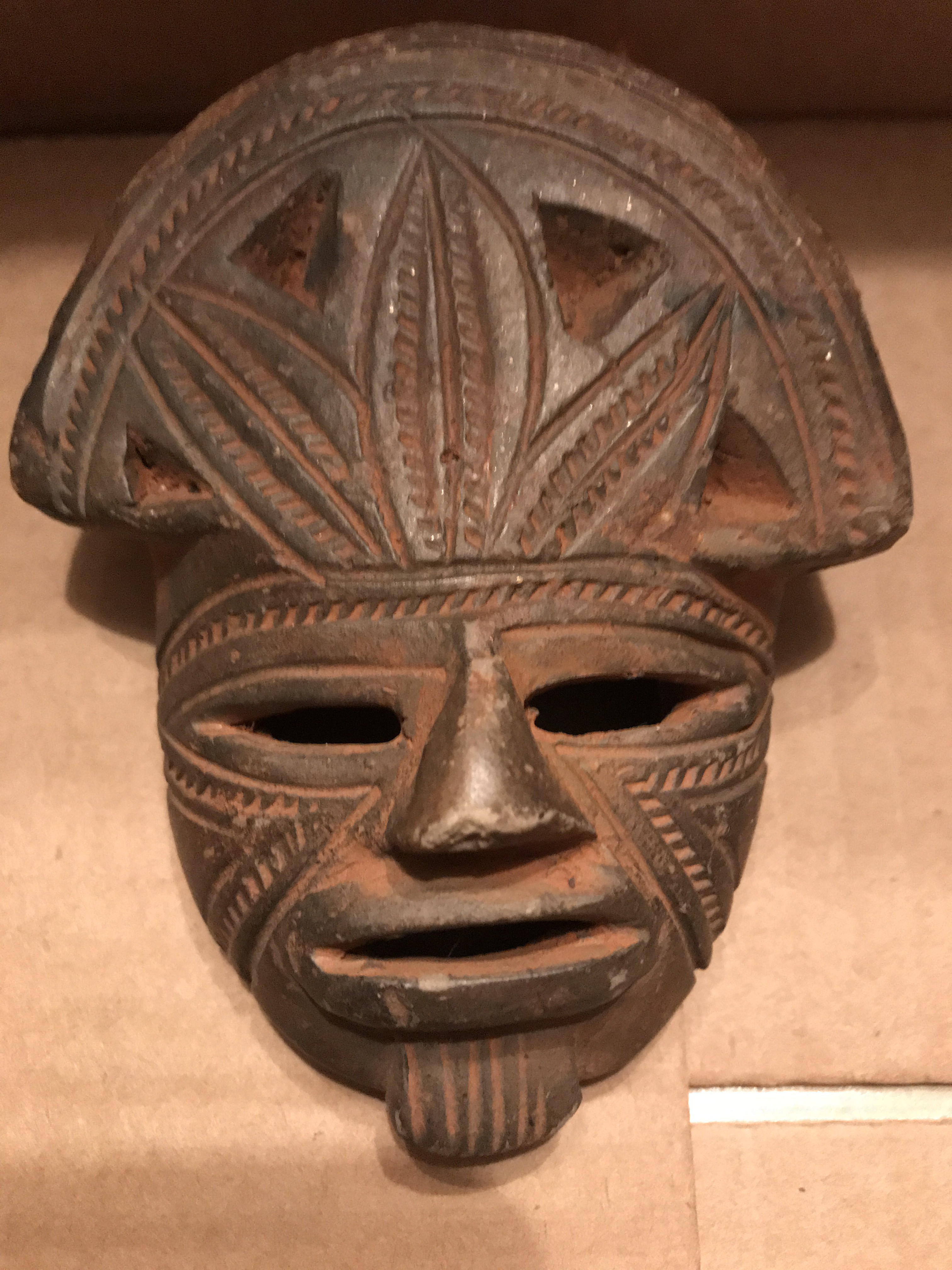
Click any image to enlarge
AI Appraisal
Collectors with this item
Want to appraise yours? Upload photos for a free appraisal →
Description
Vintage Venuzuelan Indian Clay Warrior Mask
Category
Ceramics and Porcelains
Condition
Excellent
⚠️ You have 1 free appraisal left today
Upgrade for 15-30/day →
Want more from your appraisals?
View Plans →
Upgrade for PDF reports, more daily appraisals, and ad-free experience.
Collector Discussion
Do you recognize this piece? Collectors often identify maker marks, share comparable sales, or suggest additional research steps.
Want appraisal value for…
Want appraisal value for this item
Vintage Venezuelan Indigenous Clay Warrior Mask
Item Description:
This is a handcrafted vintage clay mask, attributed to indigenous peoples of Venezuela. The mask is sculpted in low-fired terracotta clay, with carved linear motifs radiating from the eyes and forehead, and a stylized headdress and chin piece. The design elements, including geometric patterning and slanted eye and mouth openings, are consistent with traditional ceremonial or warrior masks made by native tribes of the Amazonian or Andean regions of Venezuela.
Cultural Attribution & History:
The mask’s form and patterning are reminiscent of pieces influenced by the Piaroa, Yanomami, or Warao peoples, among others indigenous to Venezuela. These groups used clay and wood masks in rituals to honor spirits, ancestors, and for use in rites of passage or warrior ceremonies. However, this specific mask was likely created as a decorative or tourist piece, perhaps mid-20th century, rather than as a ceremonial object. The stylization and condition suggest it was made for display rather than functional tribal use.
Masks such as these were frequently sold in Venezuelan craft markets or exported during the 1960s–1980s, when indigenous and folk art from South America saw increased popularity globally.
Medium & Construction:
Authentication Notes:
Current Market Value (2025):
Collector Demand:
Indigenous-inspired masks remain popular among collectors of Latin American folk art, anthropological artifacts, and ethnic décor. Value increases significantly if tied to a specific tribe or proven to be used in ritual.
Recommendation for Professional Appraisal:
If you believe this mask is a genuine tribal artifact or predates 1950, consider contacting a certified ethnographic or Latin American art appraiser. Institutions such as the Smithsonian National Museum of the American Indian or university anthropology departments may also help identify tribal specificity if provenance is known.