
Photos Submitted for Appraisal
🔍 Click to enlarge and inspect marks, signatures, and condition detailsTap to zoom and inspect details

AI Appraisal
Description
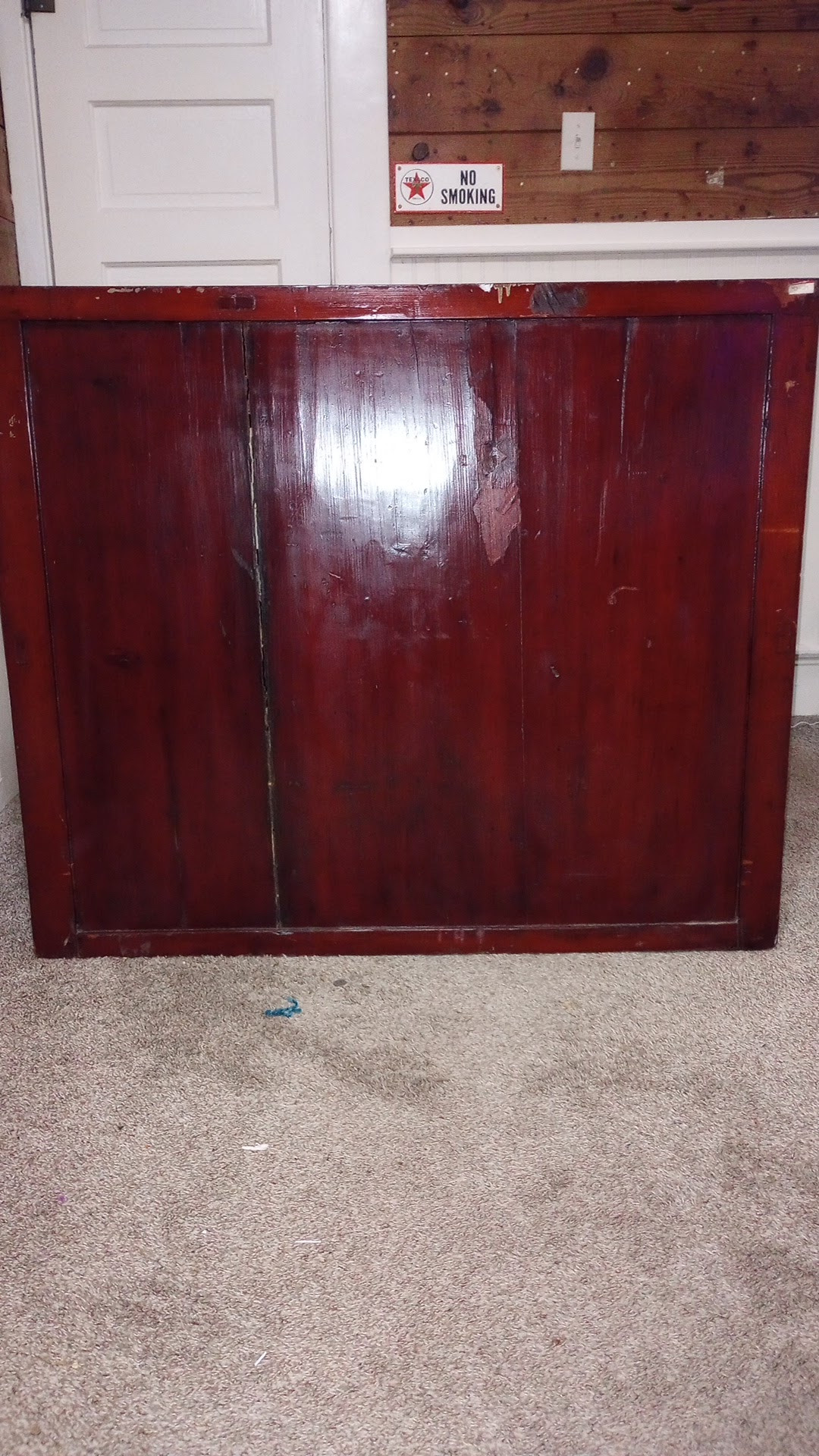
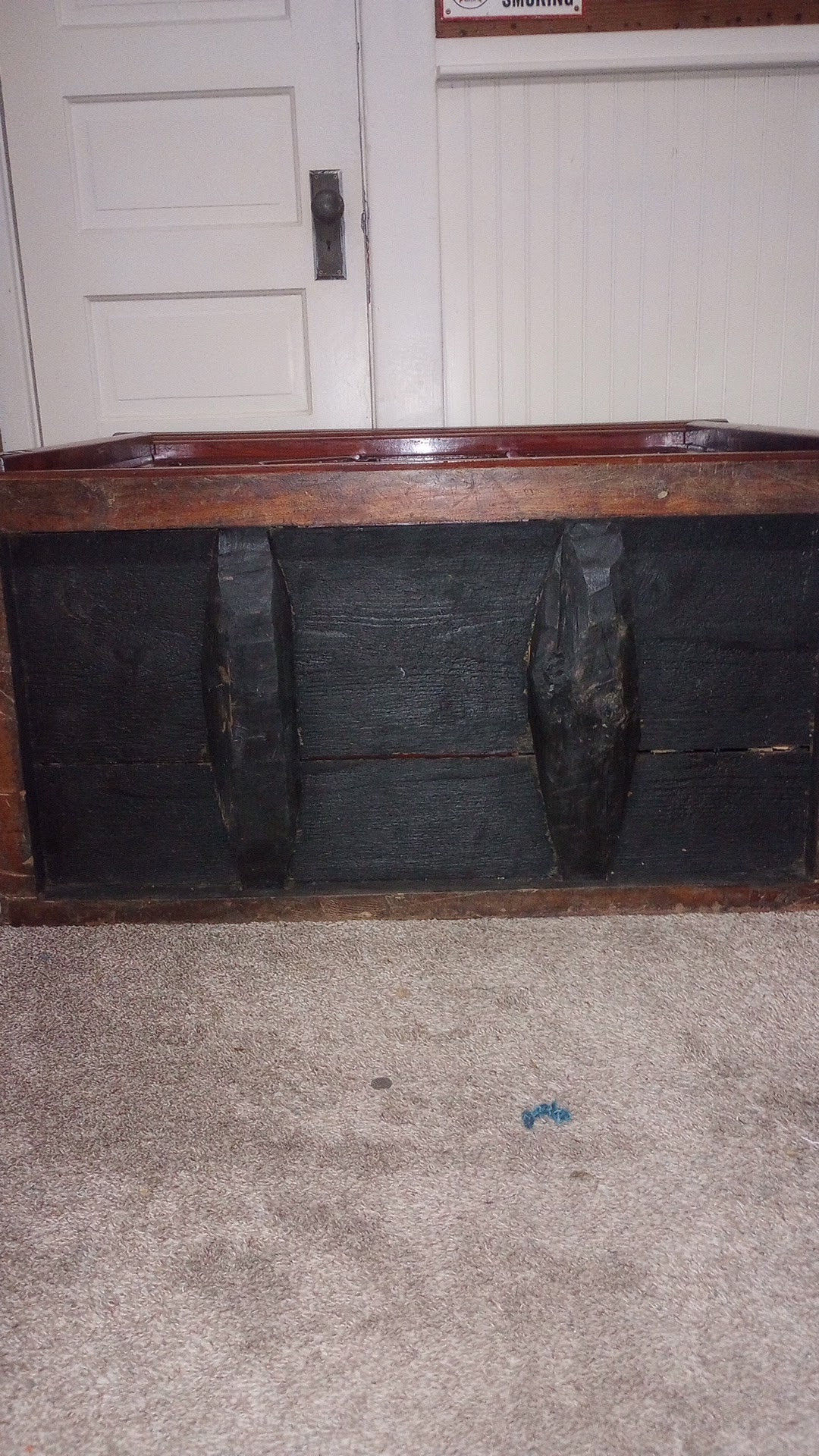
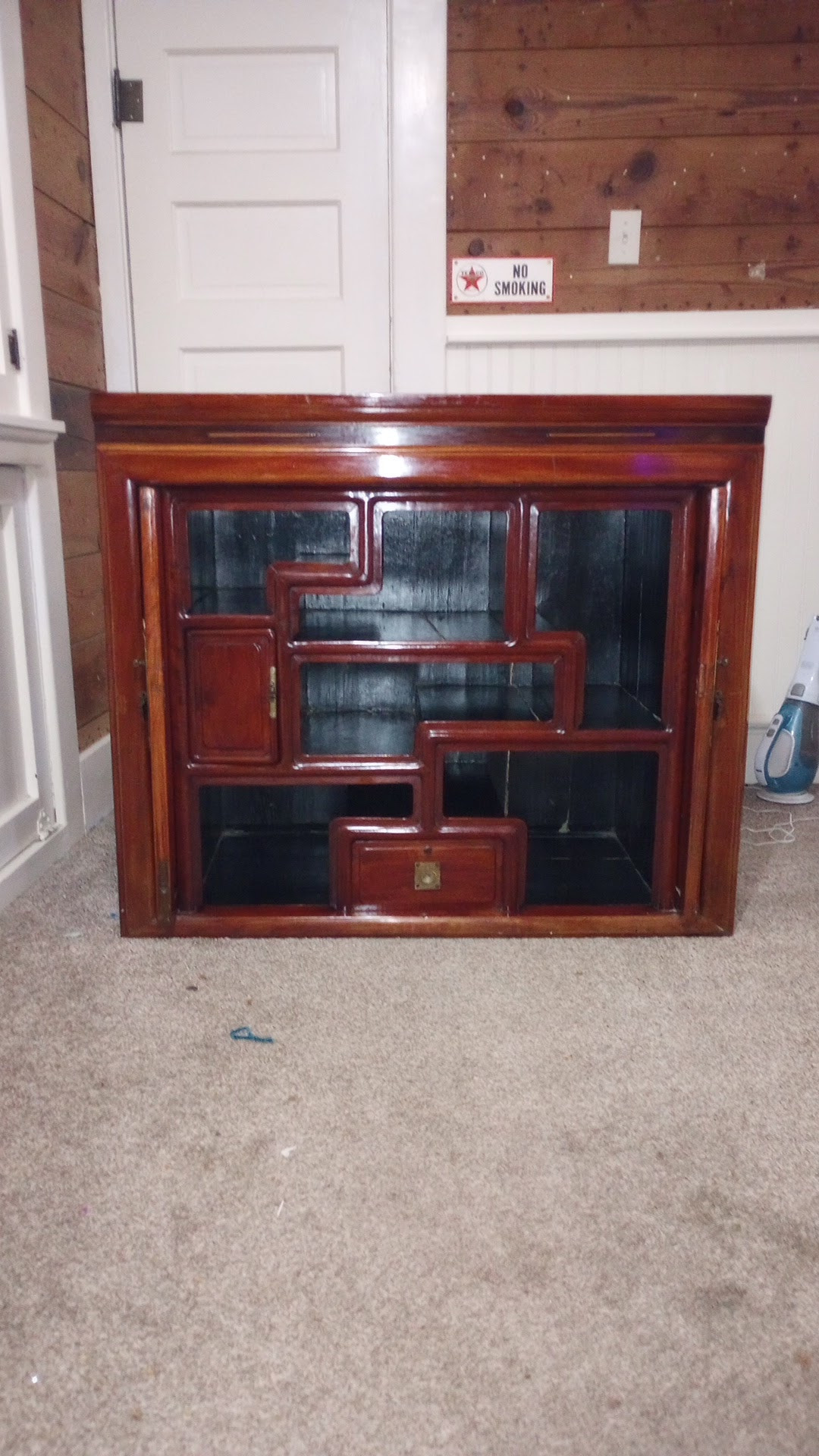
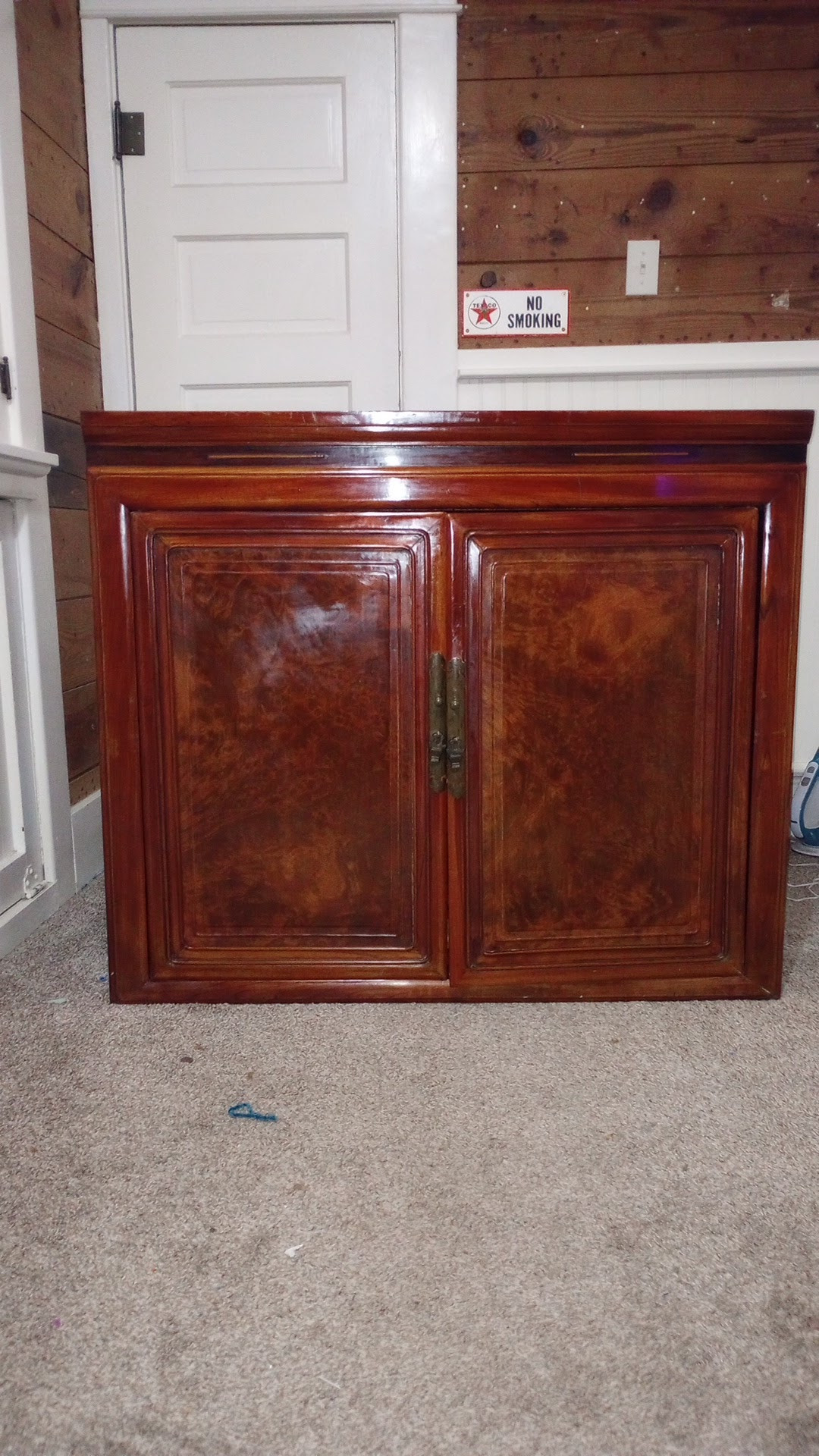
I call it a cabinet, but I'm not sure about that. It has the pocket doors, it's all wood, and there is not one screw or nail in the whole thing! I think it is not varnished because I tried to wipe with water and red came off. So I used feed n wax. It's about as tall as a dining table.
Category
Furniture
Medium
Wood, solid
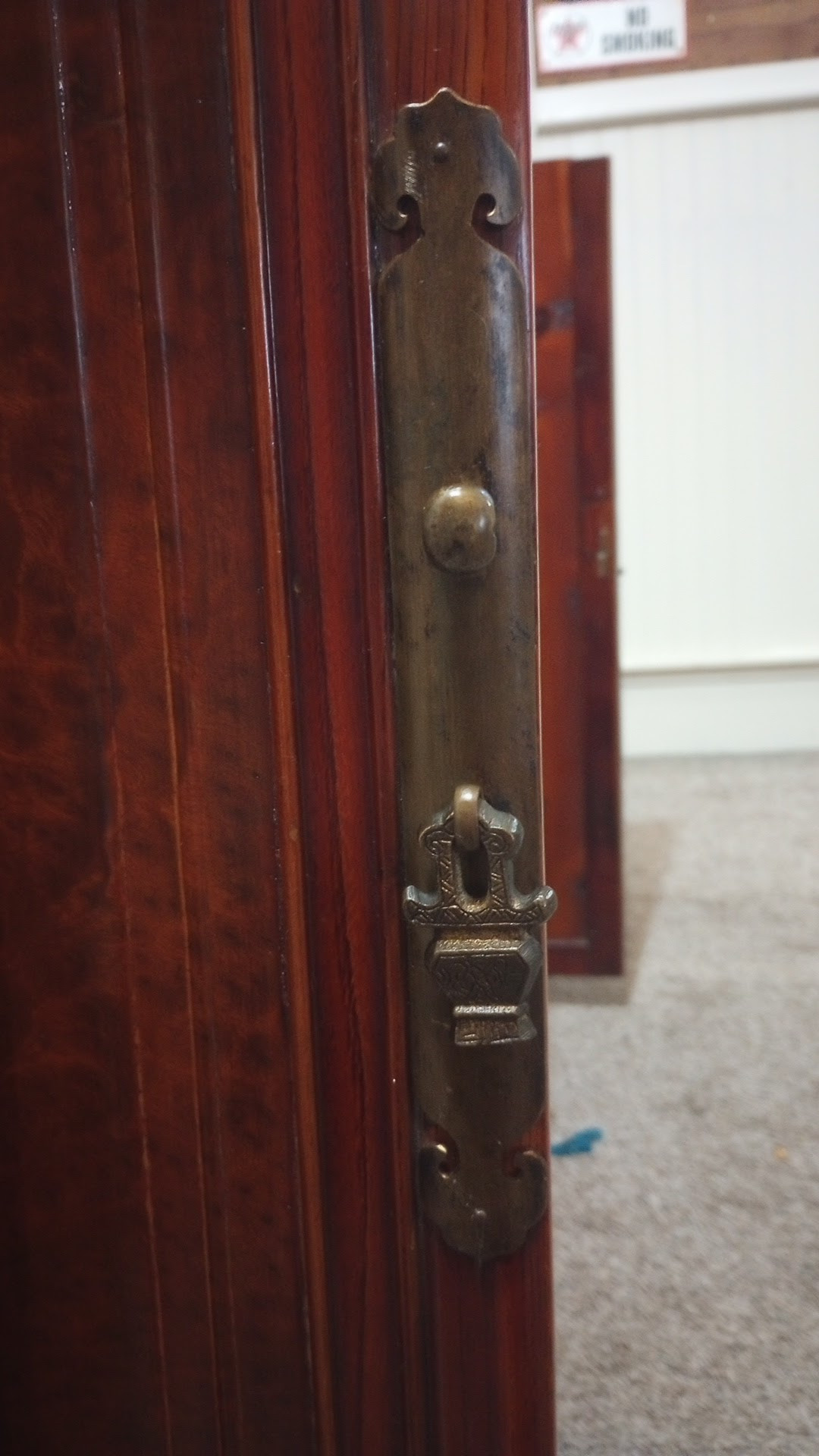
Brass hardware
Brass hardware
Distinguishing marks
None
Condition
Fair
Size and dimensions of this item
41" wide 36" tall
Date Period
Unknown
History
Bought at habitat for humanity thrift store.
Price Paid (If known)
Very little
Collectors with this item
Want to appraise yours? Upload photos for a free appraisal →
⚠️ You have 1 free appraisal left today
Upgrade for 15-30/day →
Want more from your appraisals?
View Plans →
Upgrade for PDF reports, more daily appraisals, and ad-free experience.
Collector Discussion
Do you recognize this piece? Collectors often identify maker marks, share comparable sales, or suggest additional research steps.
Thank you for the images and…
Thank you for the images and description of your unique cabinet. Based on the construction, joinery, hardware, and finish, here is a detailed report:
Item: Asian-style Wooden Cabinet with Pocket Doors
Dimensions: Approximately 41" wide x 36" tall
Medium: Solid hardwood, with brass hardware
Condition: Fair (evidence of wear, scratches, minor surface fading, and red dye transfer)
Distinguishing Features:
Origin and Style:
This cabinet appears to be a Chinese altar cabinet or scholar's cabinet, possibly a mid-20th century reproduction of Qing dynasty furniture. The symmetrical, geometric shelves suggest influence from Ming-style display shelving, commonly used to house curios or scholarly items. The pocket doors and ornate brass lockplate are typical of Chinese cabinetry designed for ceremonial or decorative use.
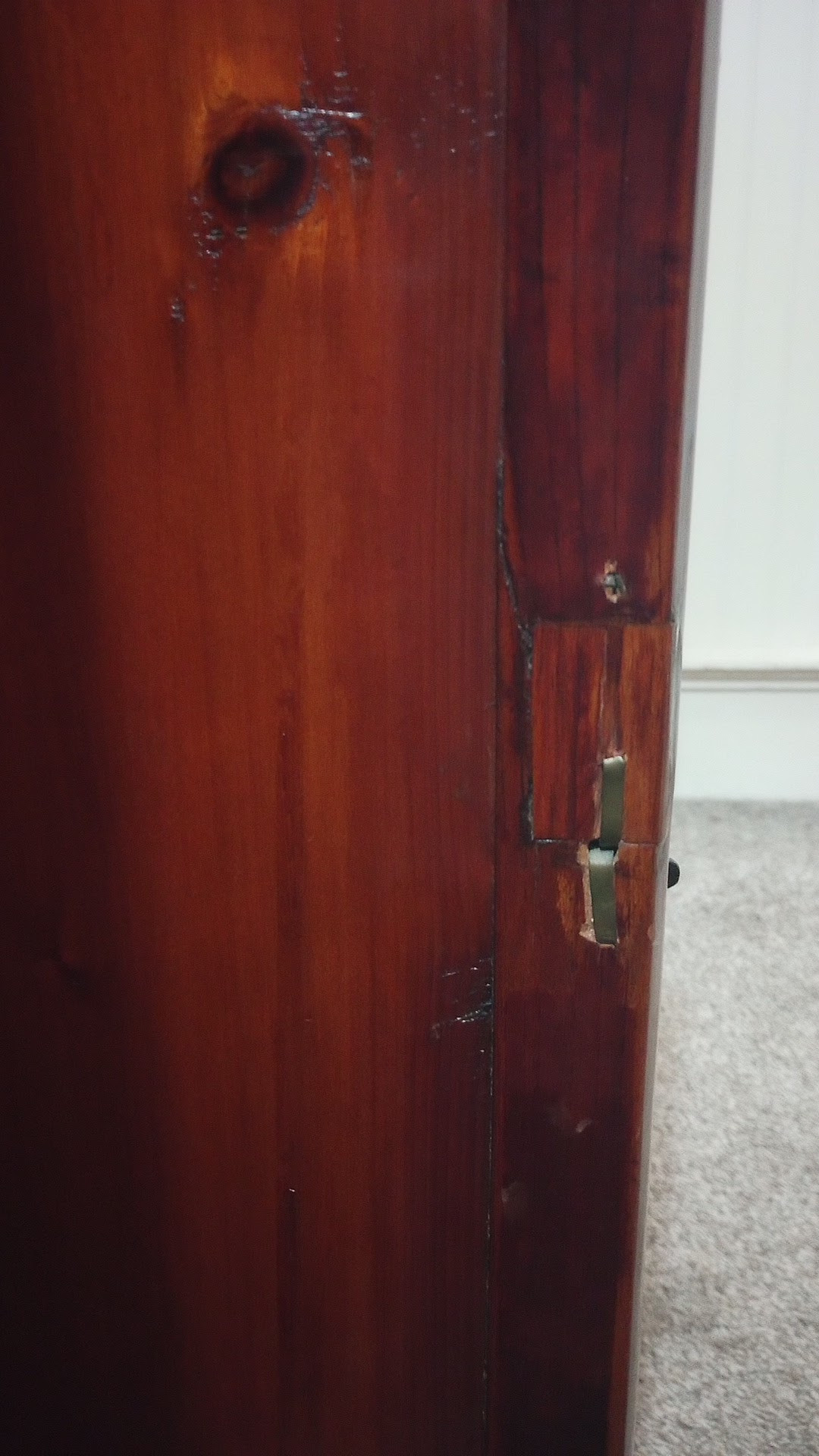
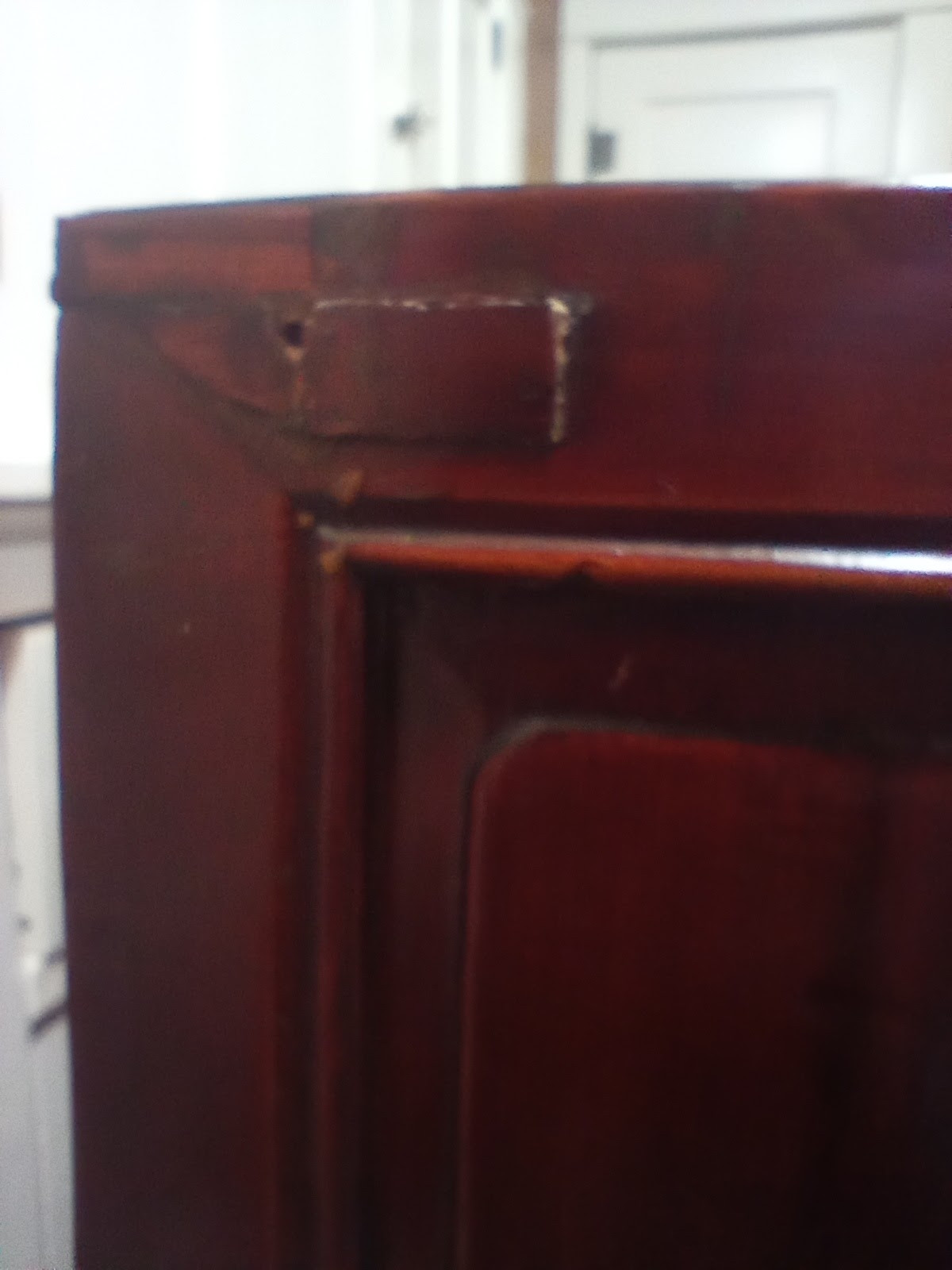
The lack of metal fasteners and use of mortise and tenon joinery (visible on the side details) strongly indicate traditional handcraftsmanship, albeit likely from the 20th century given the hardware and overall construction.
Finish Notes:
Your observation that red coloring transferred during cleaning suggests a dye-based or shellac-like finish, not a sealed modern lacquer. This is common in antique or hand-finished Asian furniture, especially pieces using redwood, elm, or other native Chinese hardwoods.
Value Estimate (Retail Market):
Recommendations:
Thank you so much, it's nice…
Thank you so much, it's nice to have something to say, now, when people ask me about it! Not to shabby for a ten dollar buy. It'll make a lovely home for my mineral specimens.