
Photos Submitted for Appraisal
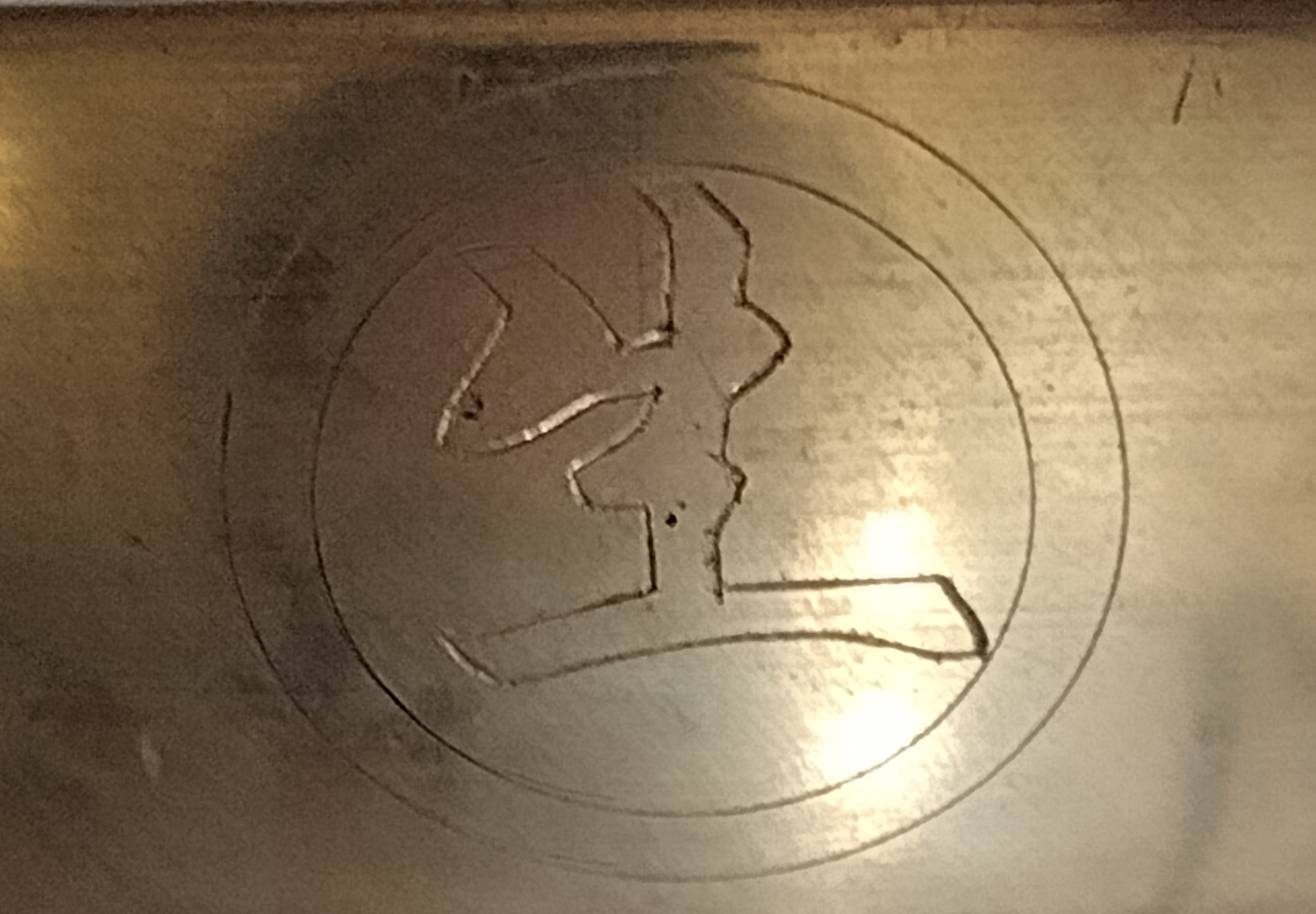
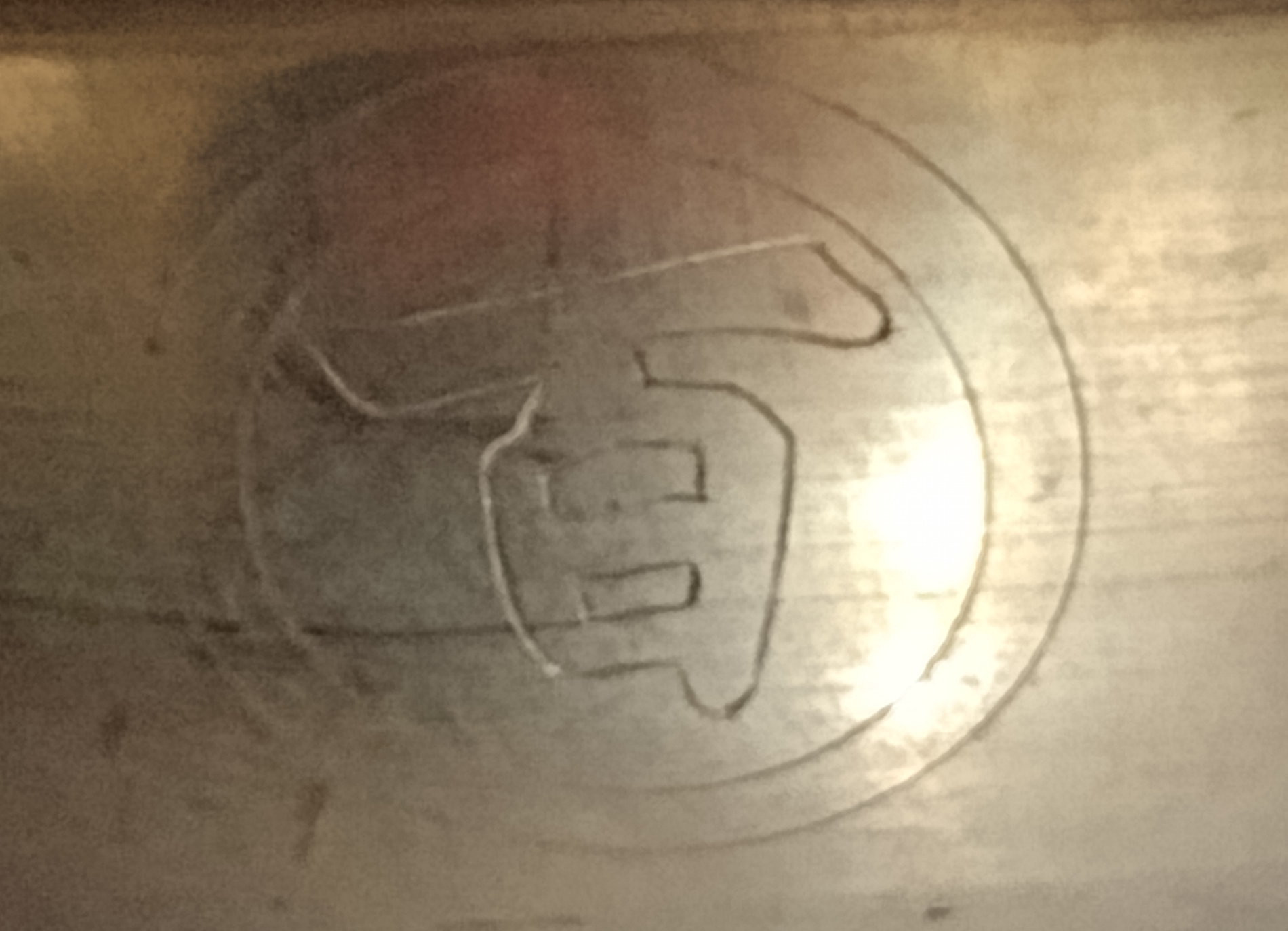
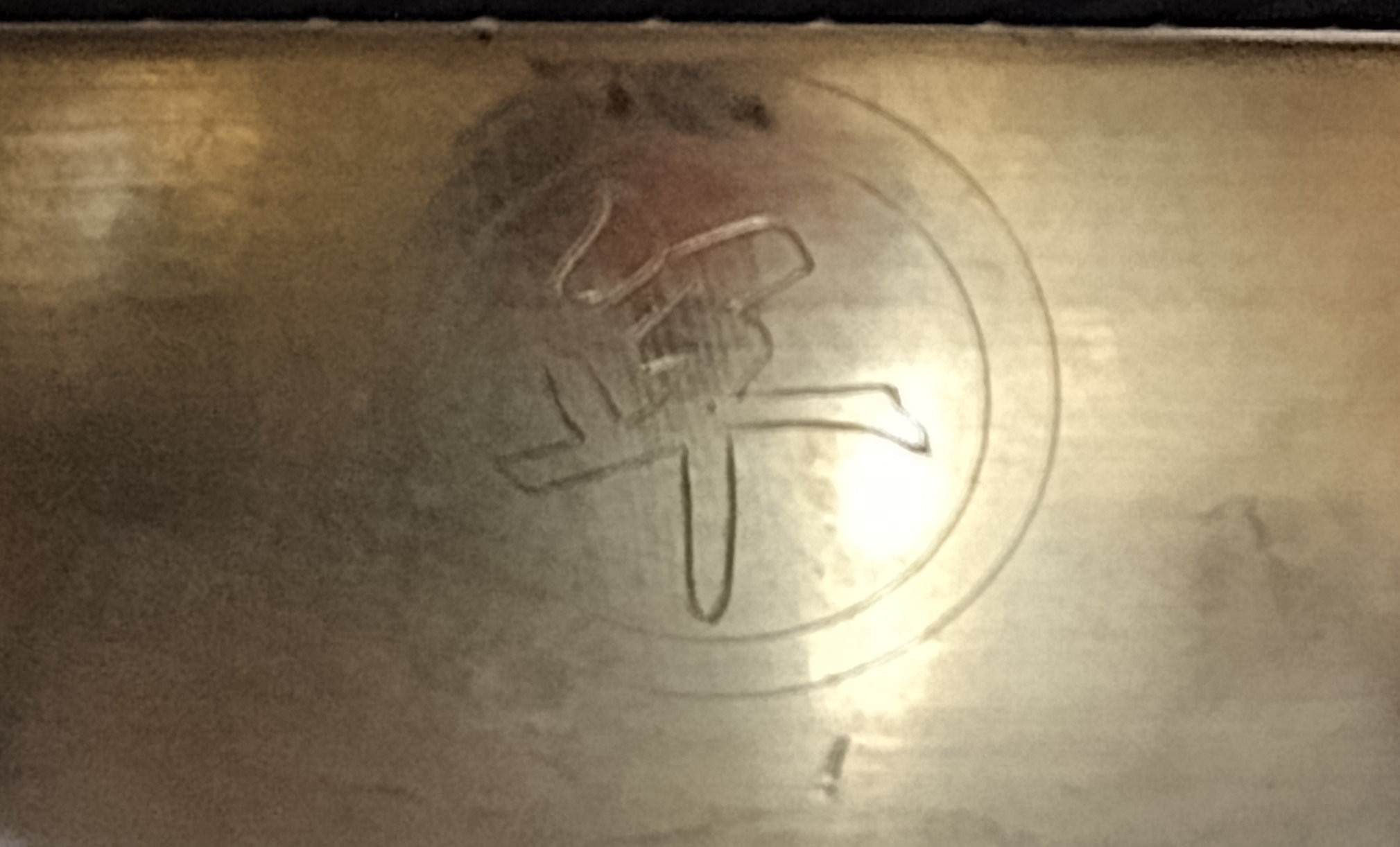
🔍 Click to enlarge and inspect marks, signatures, and condition detailsTap to zoom and inspect details

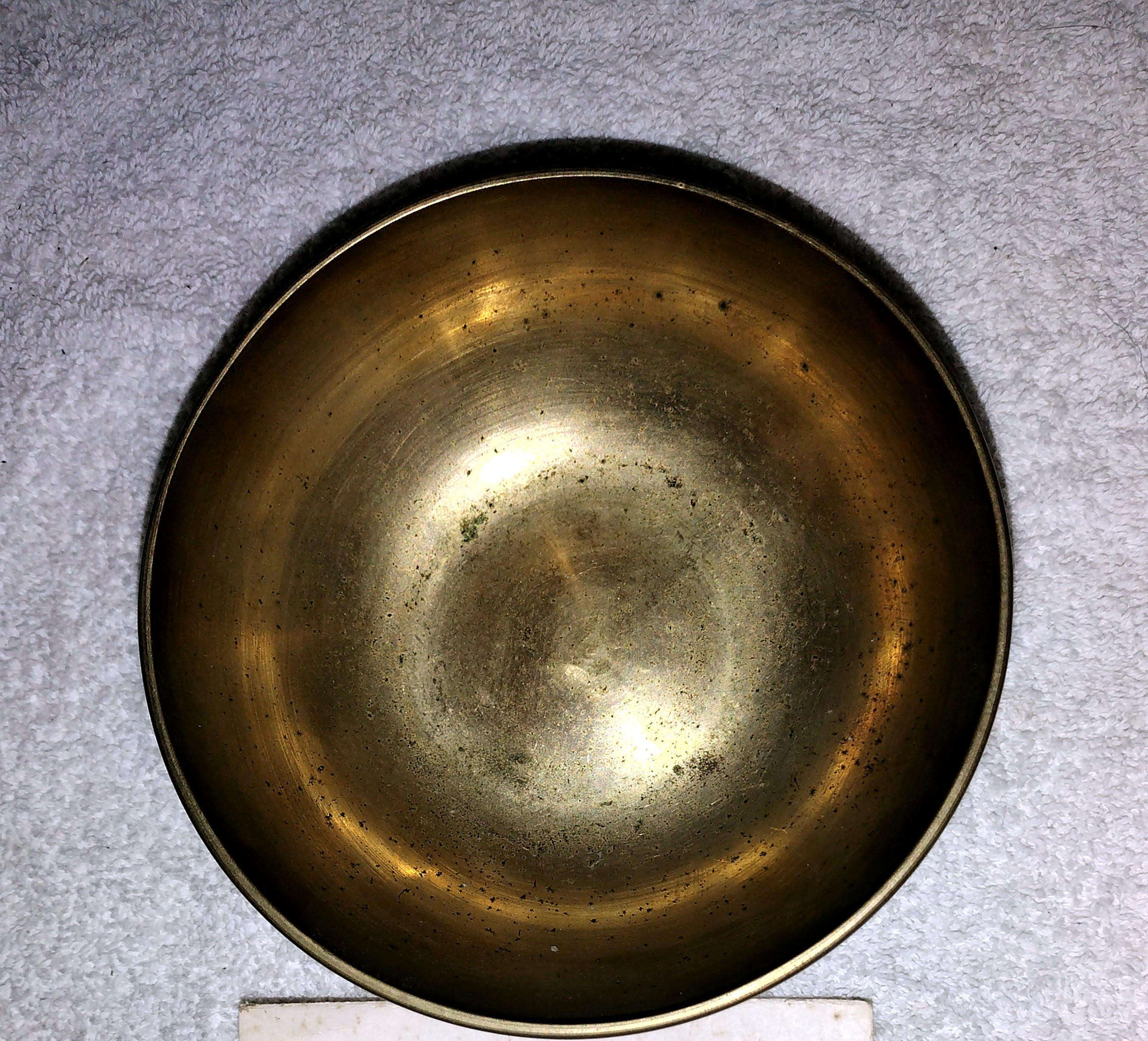
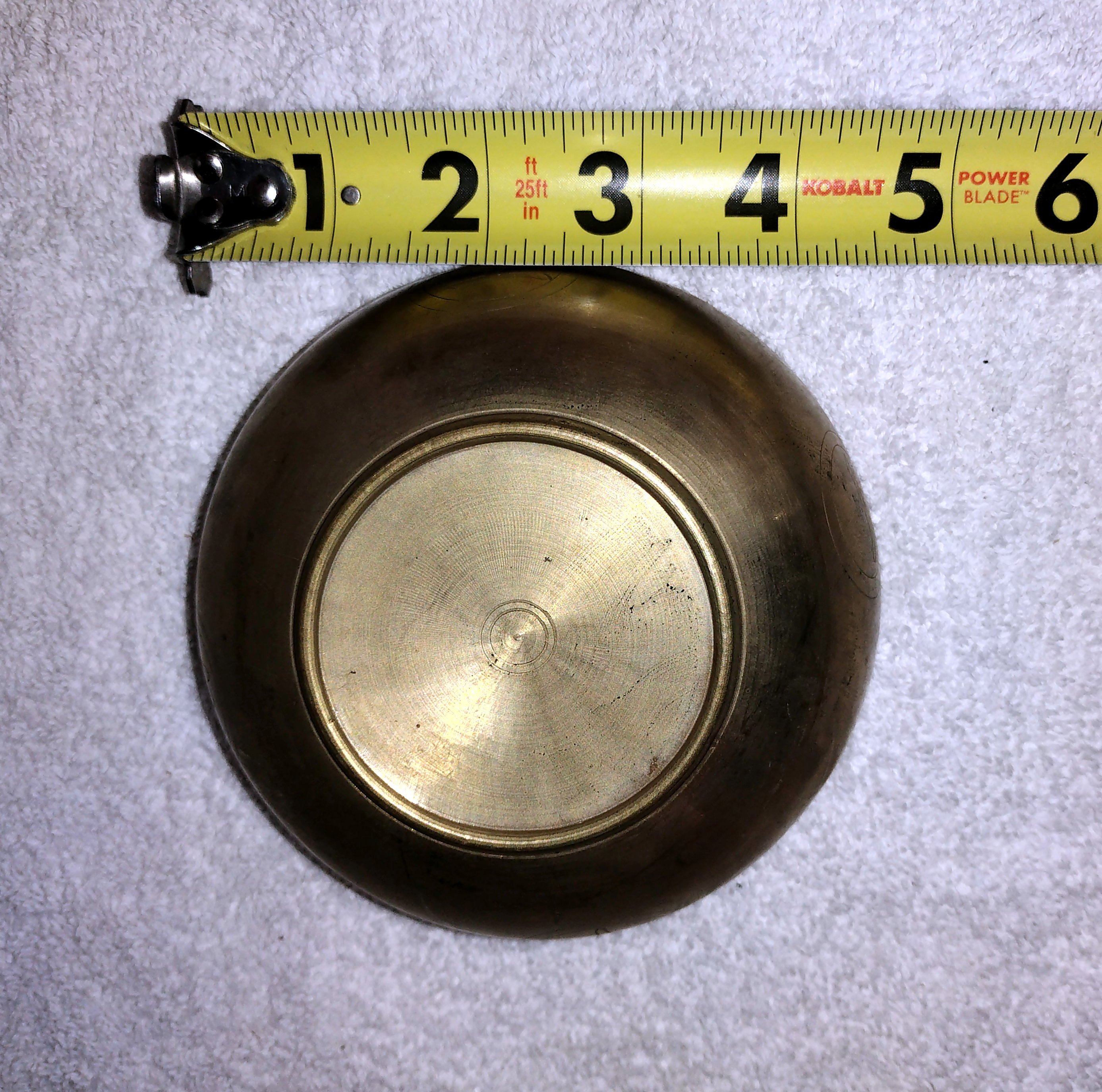
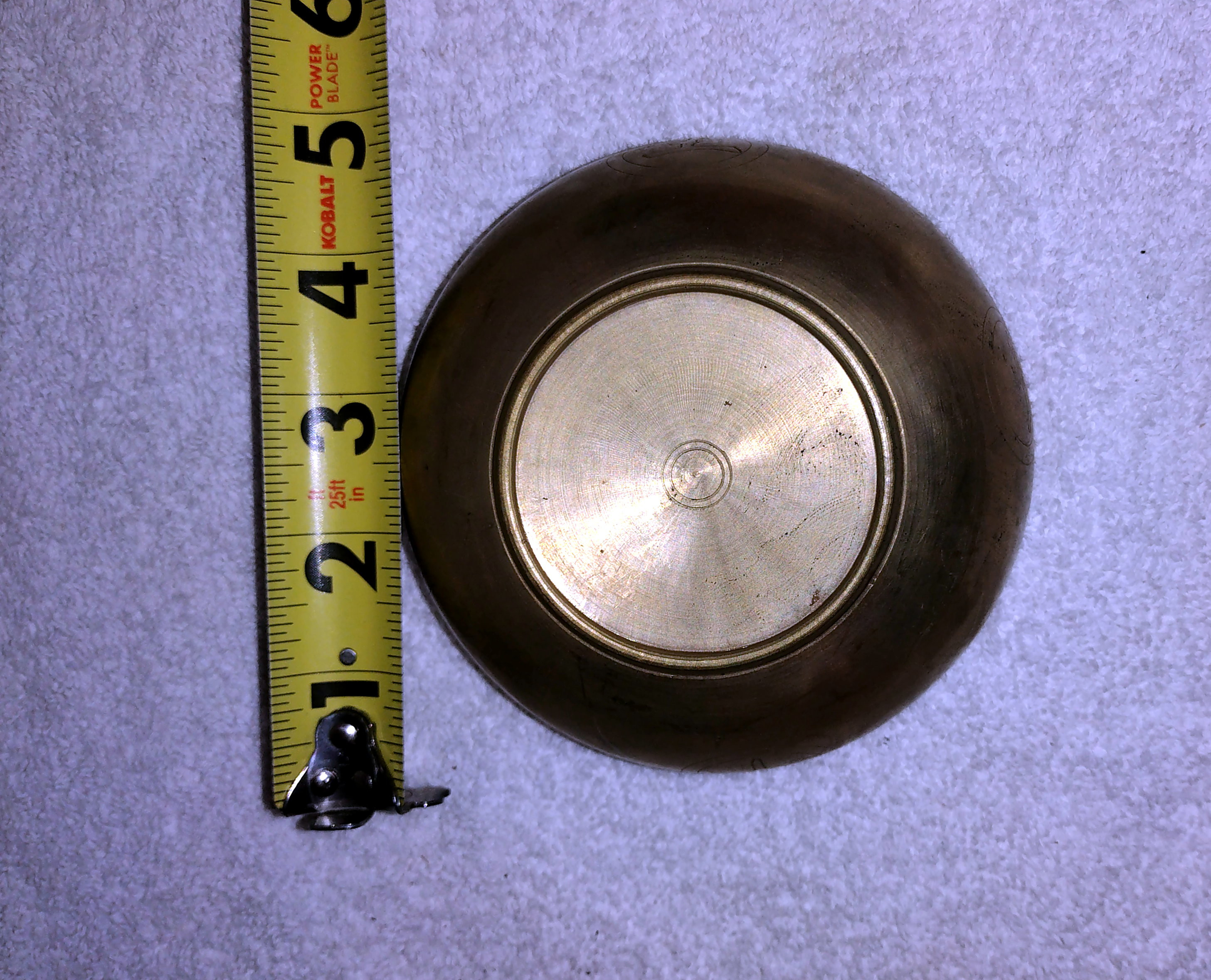
From my fathers collection, trying to find out what this is.
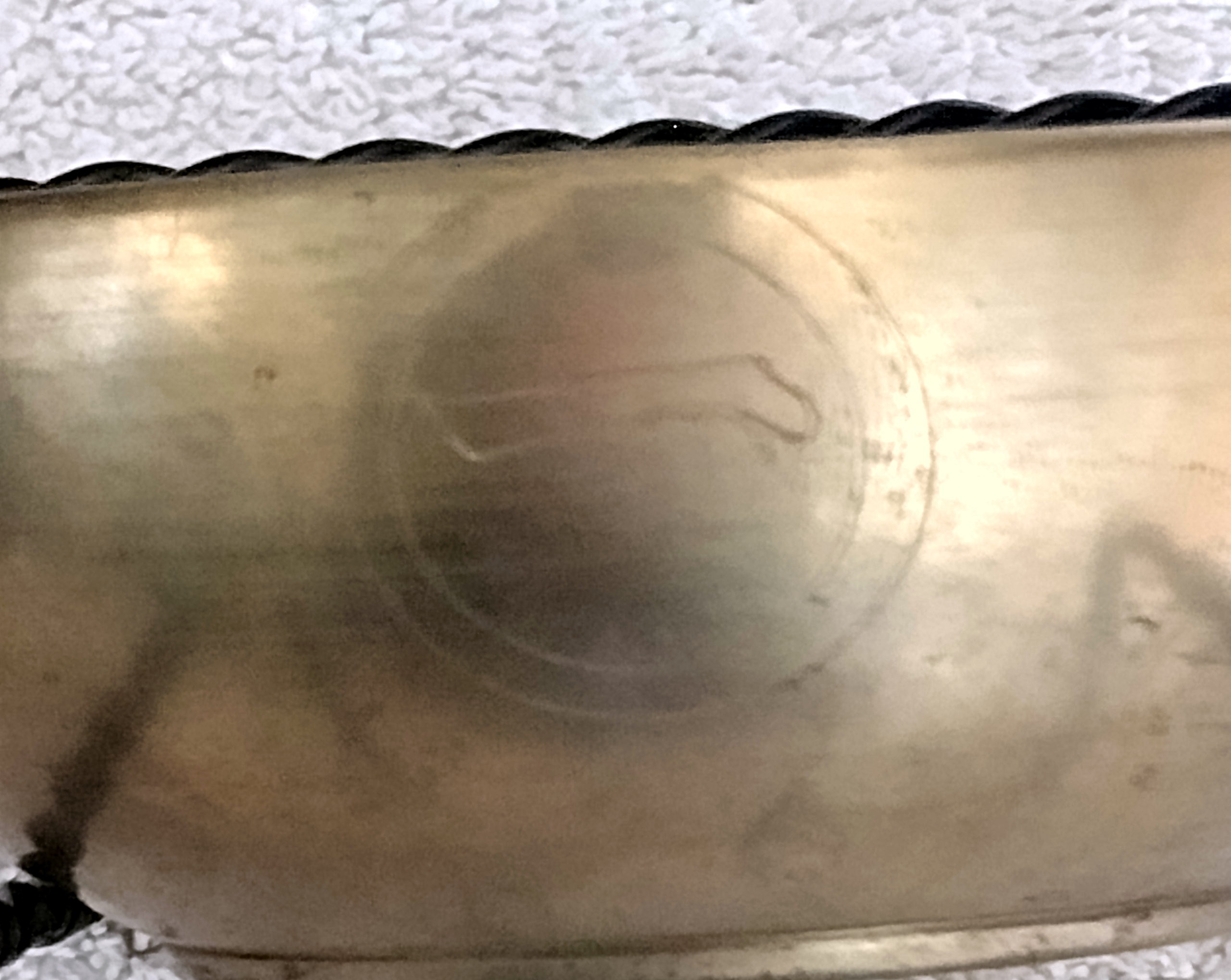
I've been searching for these symbols and nothing as of yet, been tiring OCR sites but I'm
getting no results.
My father was in WWII 1946-1948, he was station in New Guinea, spent time in Philippines and Japan. So just don't know about this item he had index cards in his WWII army trunks where he had everything stored he has a number of other cups/bowls and the index cards say "Saki Cups". just not sure. any help would be great.
Upgrade for PDF reports, more daily appraisals, and ad-free experience.
Collector Discussion
Do you recognize this piece? Collectors often identify maker marks, share comparable sales, or suggest additional research steps.
Brass Bowl With Symbols
Description:
This is a small brass bowl, approximately 4.5 inches in diameter and 2 inches tall, featuring engraved symbols on its exterior. Based on your description and the accompanying historical context, the bowl may have origins linked to Japan, potentially crafted as a sake bowl or ceremonial item. The craftsmanship and markings suggest it could date to the 1946–1948 post-WWII period, coinciding with your father’s service in Japan, New Guinea, and the Philippines.
History and Context:
During the post-WWII period, many Japanese artifacts, including sake cups and bowls, were crafted as functional or ceremonial items. Brass bowls like this were sometimes engraved with symbols or family crests (kamon), and others bore commemorative markings. The markings on this bowl could represent a family emblem, a military insignia, or a specific event or purpose (e.g., a celebratory or ceremonial item).
Your father’s meticulous record-keeping (noting "sake cups") suggests he valued this piece, possibly collecting it as a personal memento during his deployment.
Distinguishing Features:
Current Value:
While not rare, this type of brass bowl holds value for its historical and cultural significance, especially if tied to Japan’s post-war era. Without more detailed identification of the symbols or provenance, the value remains approximate:
Recommendations for Next Steps:
Thank you for your incite. I…
Thank you for your incite.
I'll do more research on this item and many others I'm working on.
Regards,
John