
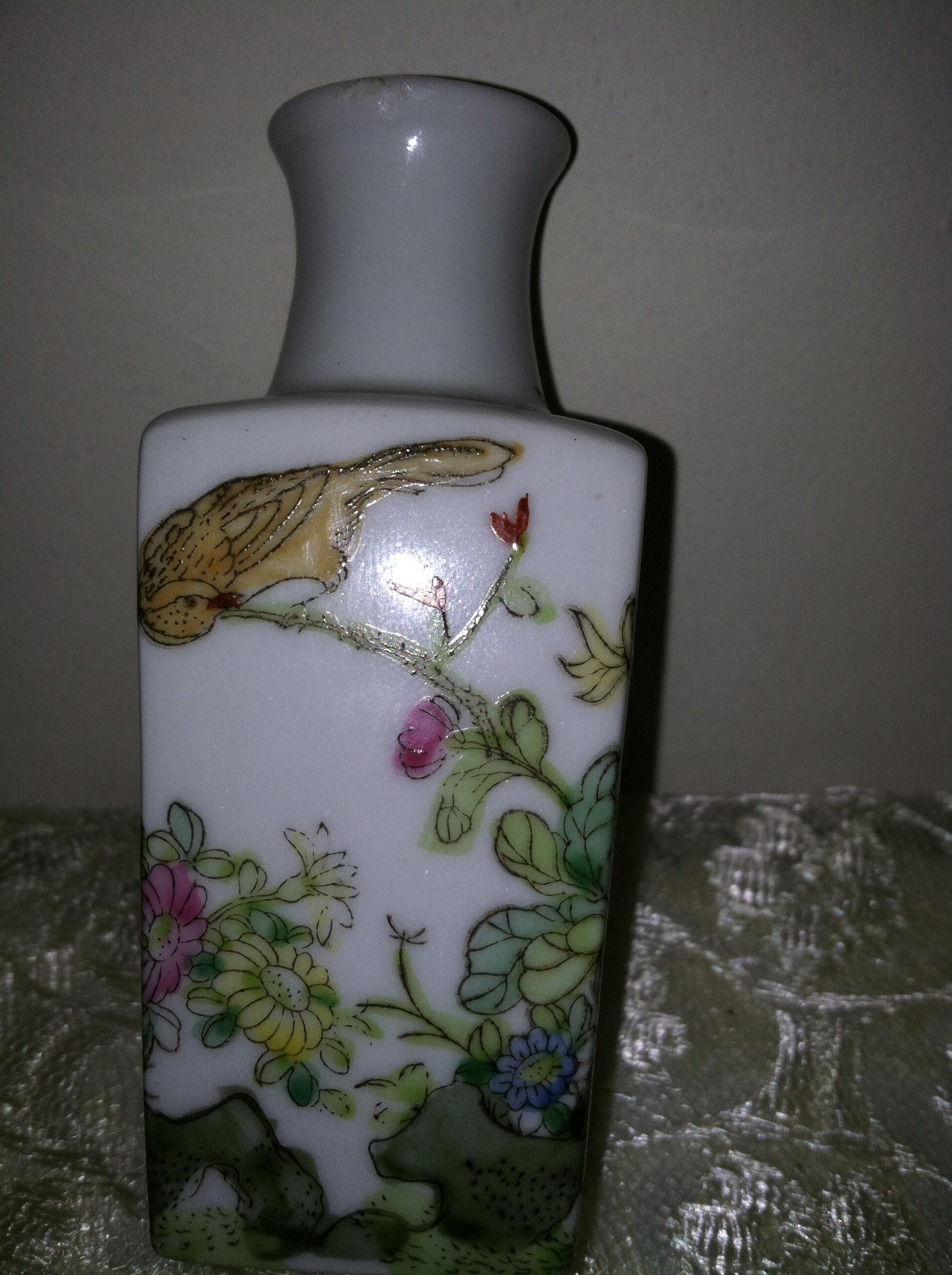
ch'ien lung qianlong 1736-1795 porcelain small square vase with flowers and birds
Community Appraisal
This item was appraised by the InstAppraisal community. Check the comments below for expert opinions and valuations.
Want an AI appraisal? Submit yours nowItem Details
The Qianlong Emperor (Chien-lung Emperor); born Hongli (Hung-li; Chinese: 弘曆; Möllendorff transliteration hung li); 25 September 1711 – 7 February 1799) was the sixth emperor of the Manchu-led Qing Dynasty, and the fourth Qing emperor to rule over China proper. The fourth son of theYongzheng Emperor, he reigned officially from 11 October 1735 to 8 February 1796.1 On 8 February, he abdicated in favor of his son, the Jiaqing Emperor – a filial act in order not to reign longer than his grandfather, the illustrious Kangxi Emperor.[1] Despite his retirement, however, he retained ultimate power until his death in 1799. Although his early years saw the continuation of an era of prosperity in China, his final years saw troubles at home and abroad converge on the Qing Empire.
It is a vase that measures 3 5/8 inches in height, 1 1/2 inches wide below the neck, and 1 5/16 inches wide at the base. The vase is white with flowers and birds on it. It has one very very small chip around the ring of the spout but other than that it is in perfect condition.
Good
Have Something to Appraise?
Upload photos of your antique or collectible and get an AI-powered valuation in under a minute.
Get Your Appraisal →Comparable Items & Values
See how comparable items are valued
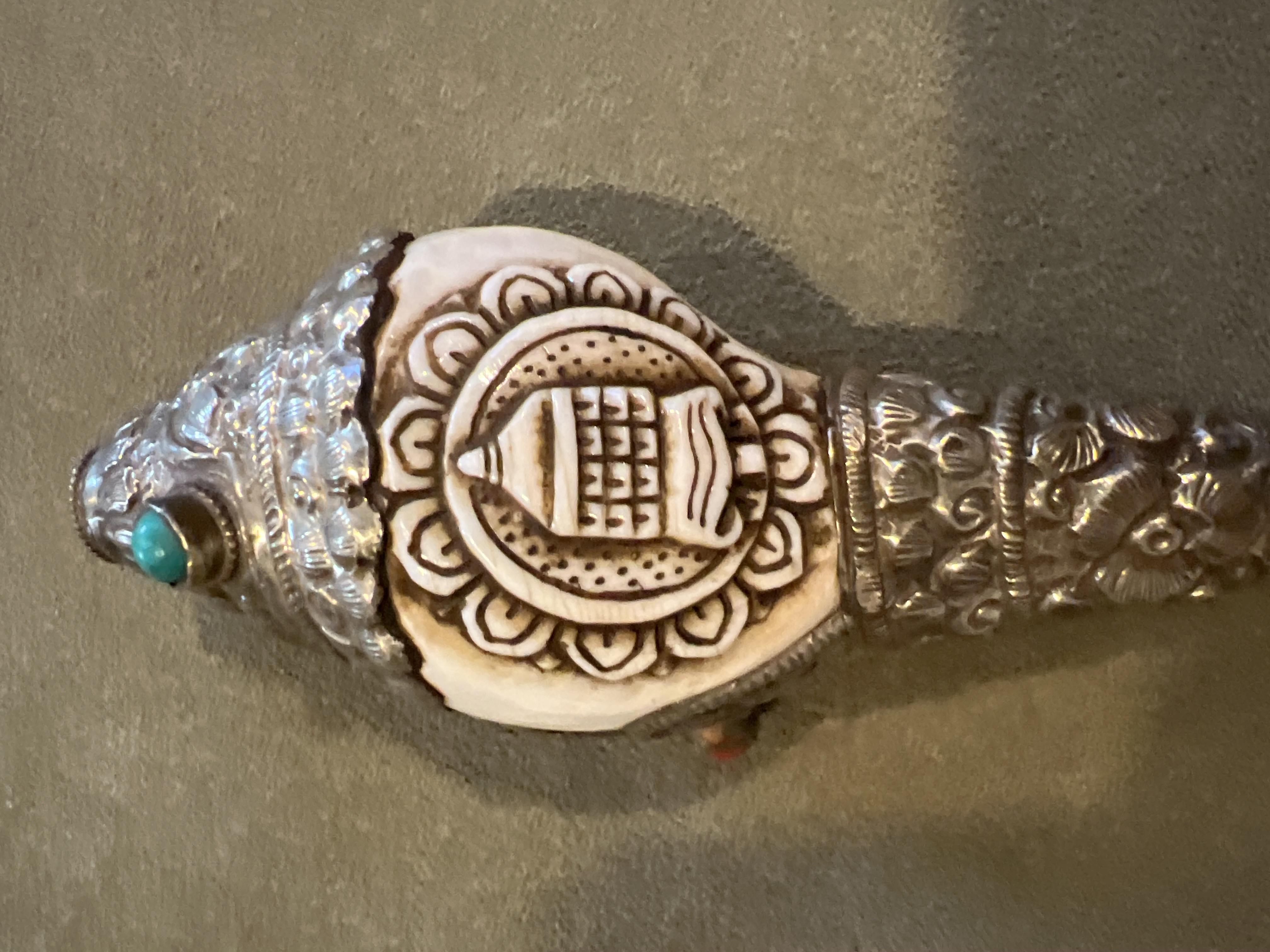
Tibetan Buddhist Dung Car by Traditional Tibetan Artisan
$150 – $300
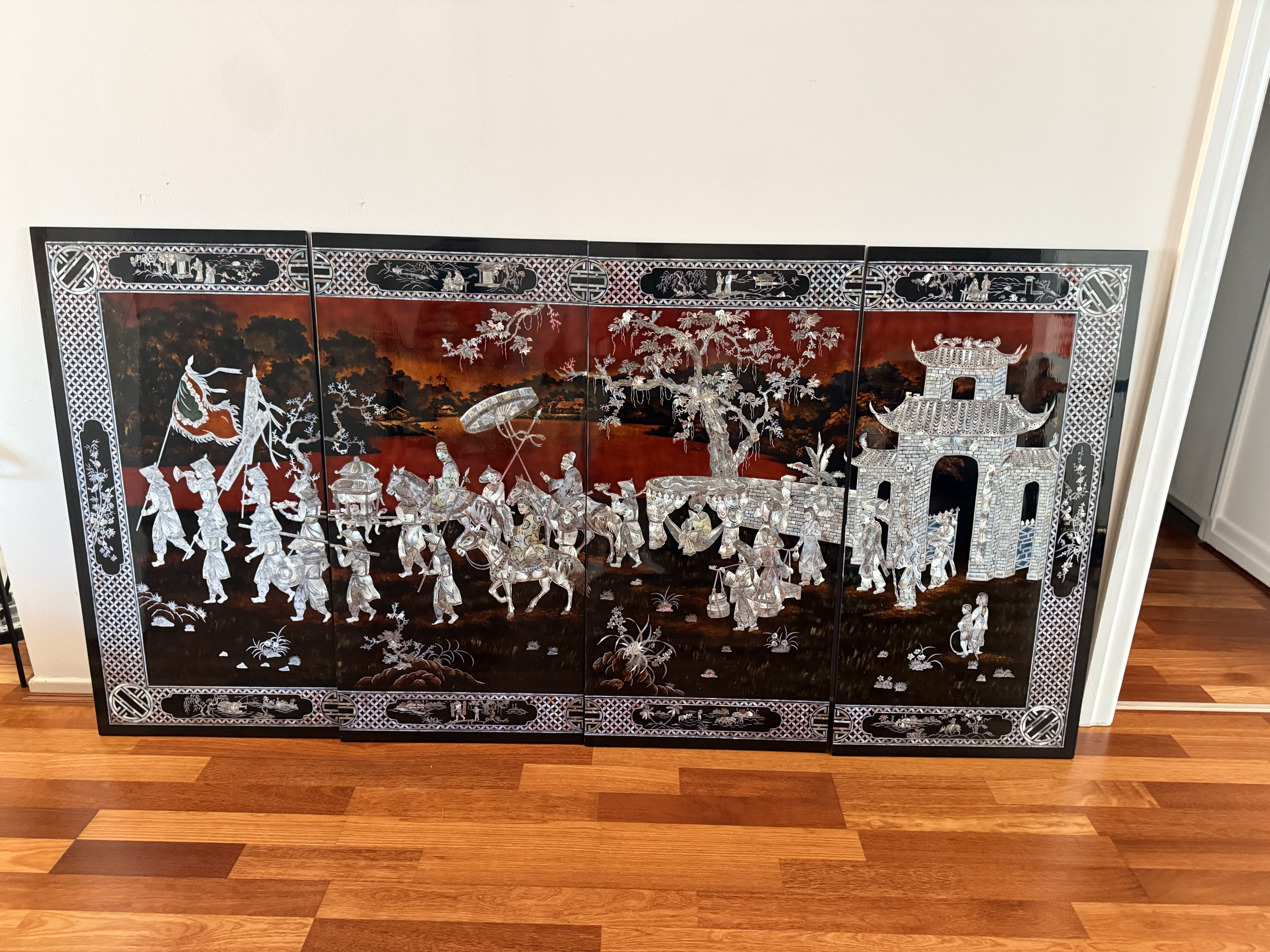
Vietnamese Lacquer 4 Panel Painting by Vietnamese Artisan
$400 – $600
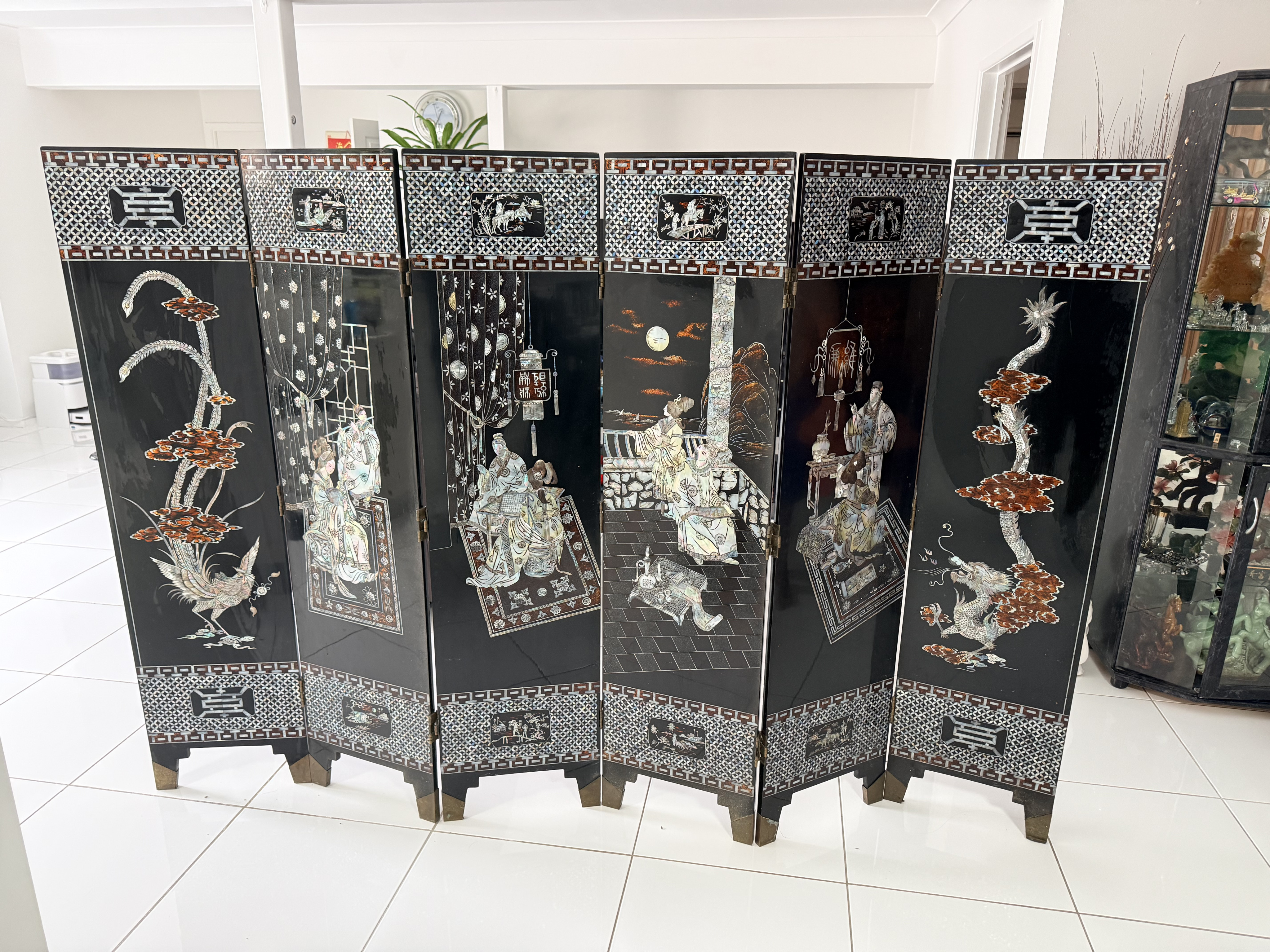
Vietnamese Lacquer 6 Panel Room Divider
$350 – $700
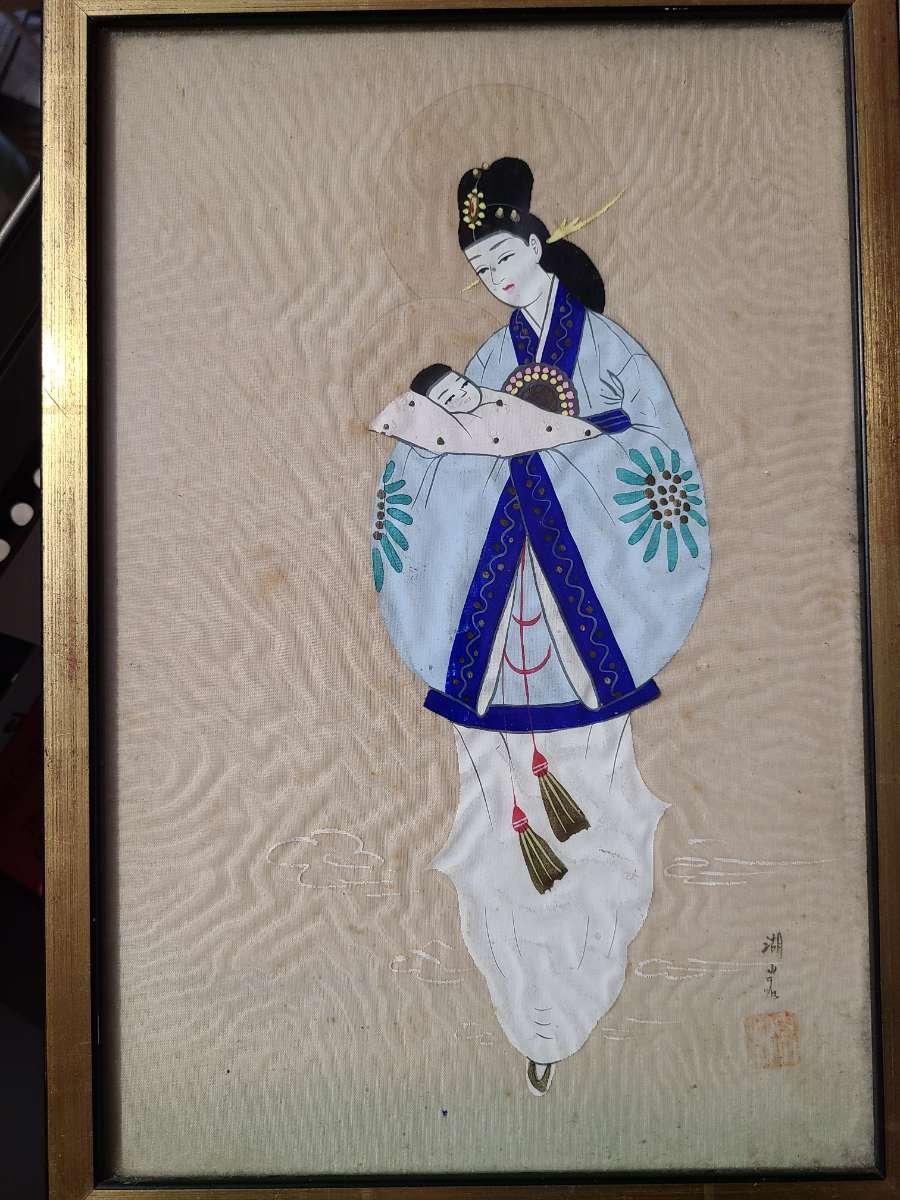
Framed Asian Silk Painting
$150 – $300
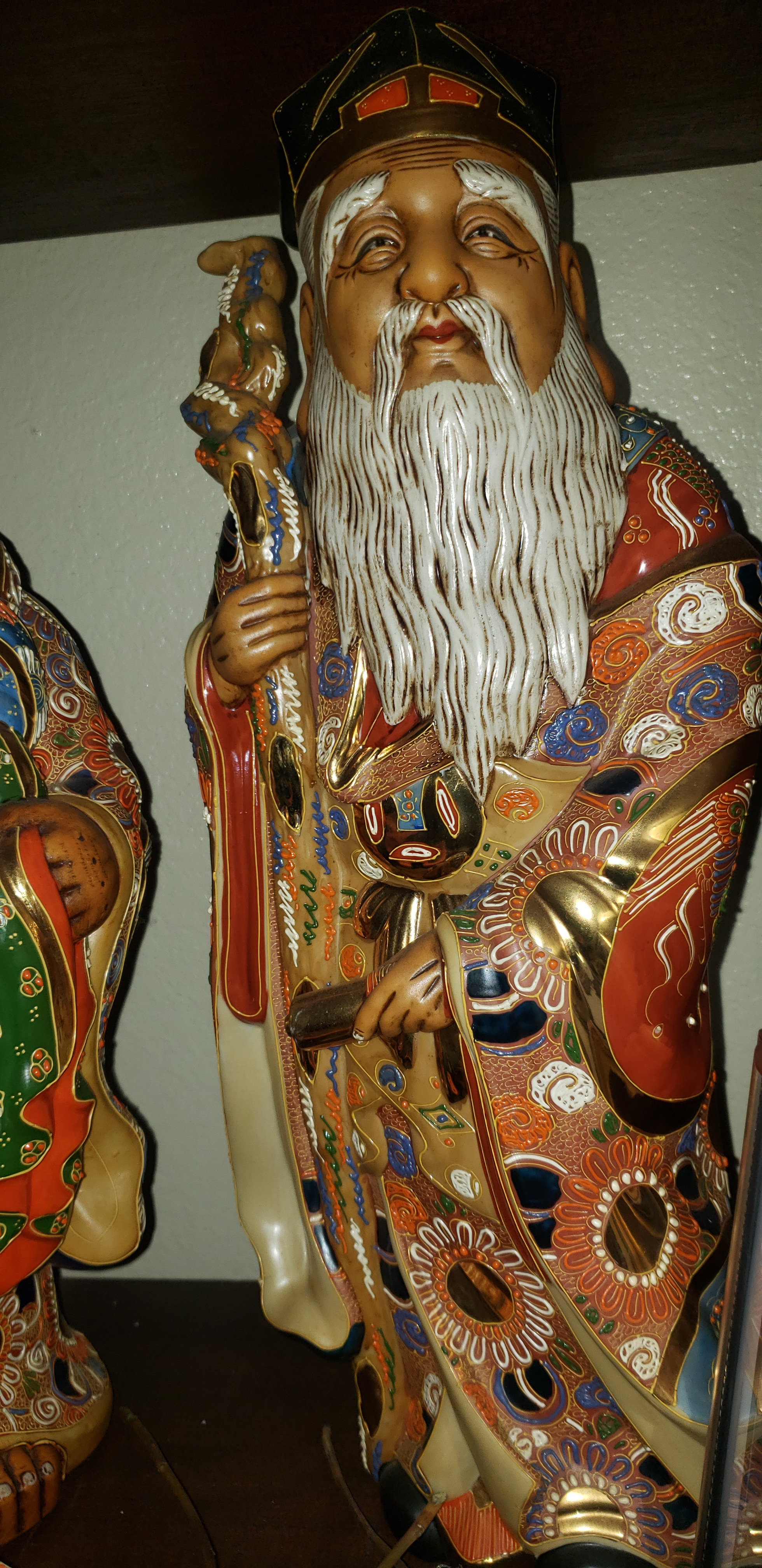
Kutani jurojin large Porcelin handmade 50 years ago
$300 – $500
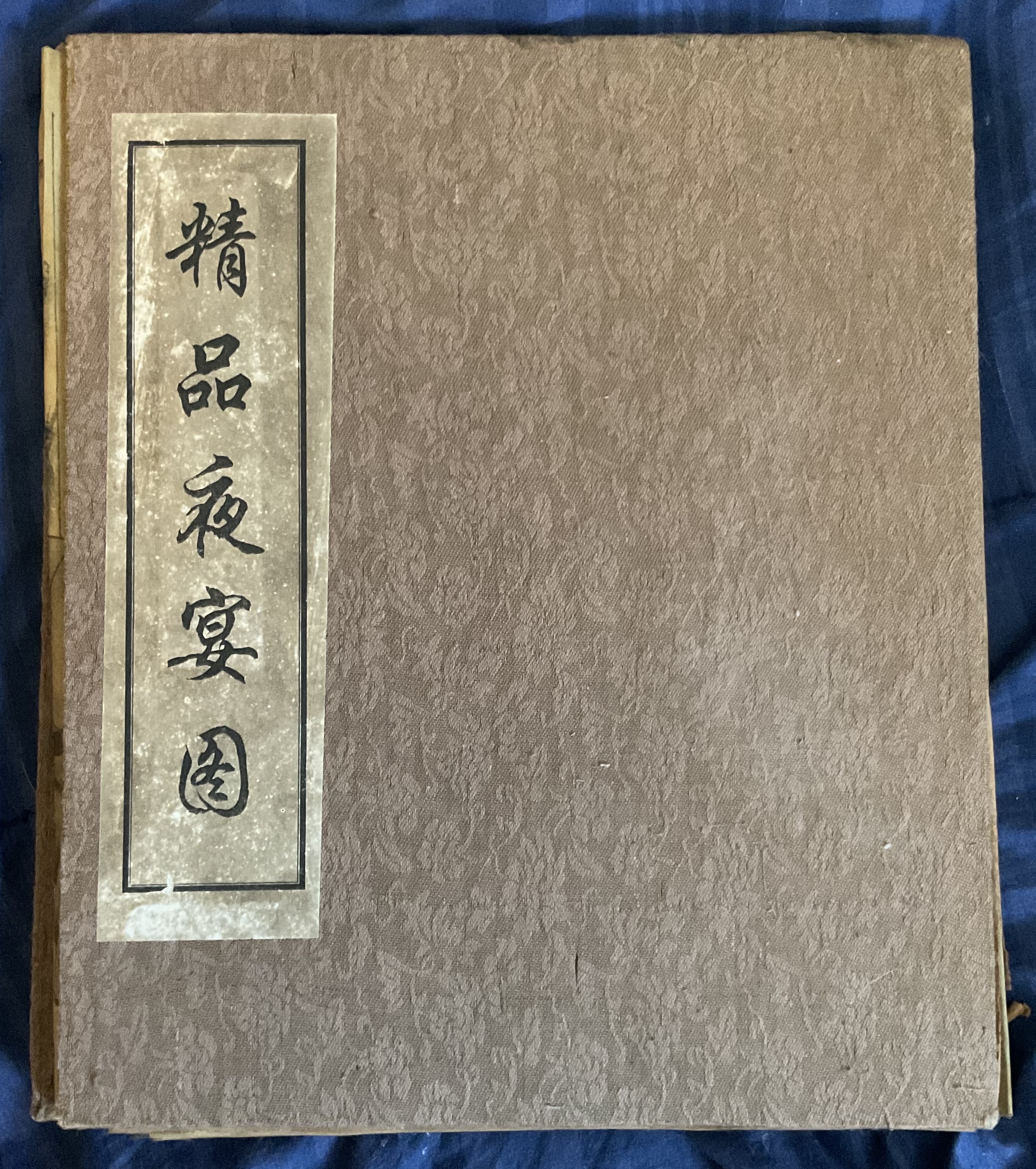
INSPIRED BY The Night Banquet of Han Xizai
$200 – $500
Comments
No comments yet. Be the first to share your thoughts!