Upgrade for PDF reports, more daily appraisals, and ad-free experience.
Egyptian clay head
⚠️ Legal Disclaimer
This appraisal is provided for informational and educational purposes only and does not constitute a certified, licensed, or formal appraisal.
Appraisal results are generated using automated systems, including artificial intelligence, and are based solely on the information and images submitted by the user, along with publicly available data. As such, results may contain inaccuracies, omissions, or errors.
InstAppraisal does not authenticate items. No determination of authenticity, origin, materials, maker, or age should be considered verified. Many items—particularly luxury goods, watches, jewelry, coins, art, and designer products—are frequently counterfeited and may closely resemble genuine examples. Authenticity cannot be confirmed from images alone.
Any statements regarding authenticity are expressions of opinion only and should not be relied upon as fact. Independent professional authentication is strongly recommended before any purchase, sale, or valuation decision.
Appraisal values are estimates only and may vary significantly based on condition, provenance, market demand, and additional information not available at the time of review.
Appraisals must not be relied upon for insurance, legal, tax, estate, or financial purposes without independent professional verification.
InstAppraisal disclaims all liability for any losses, damages, or disputes arising from reliance on this appraisal, including transactions conducted based on the information provided.
By using this service, you acknowledge and agree that you assume all risk associated with reliance on appraisal results.
Re: Egyptian clay head
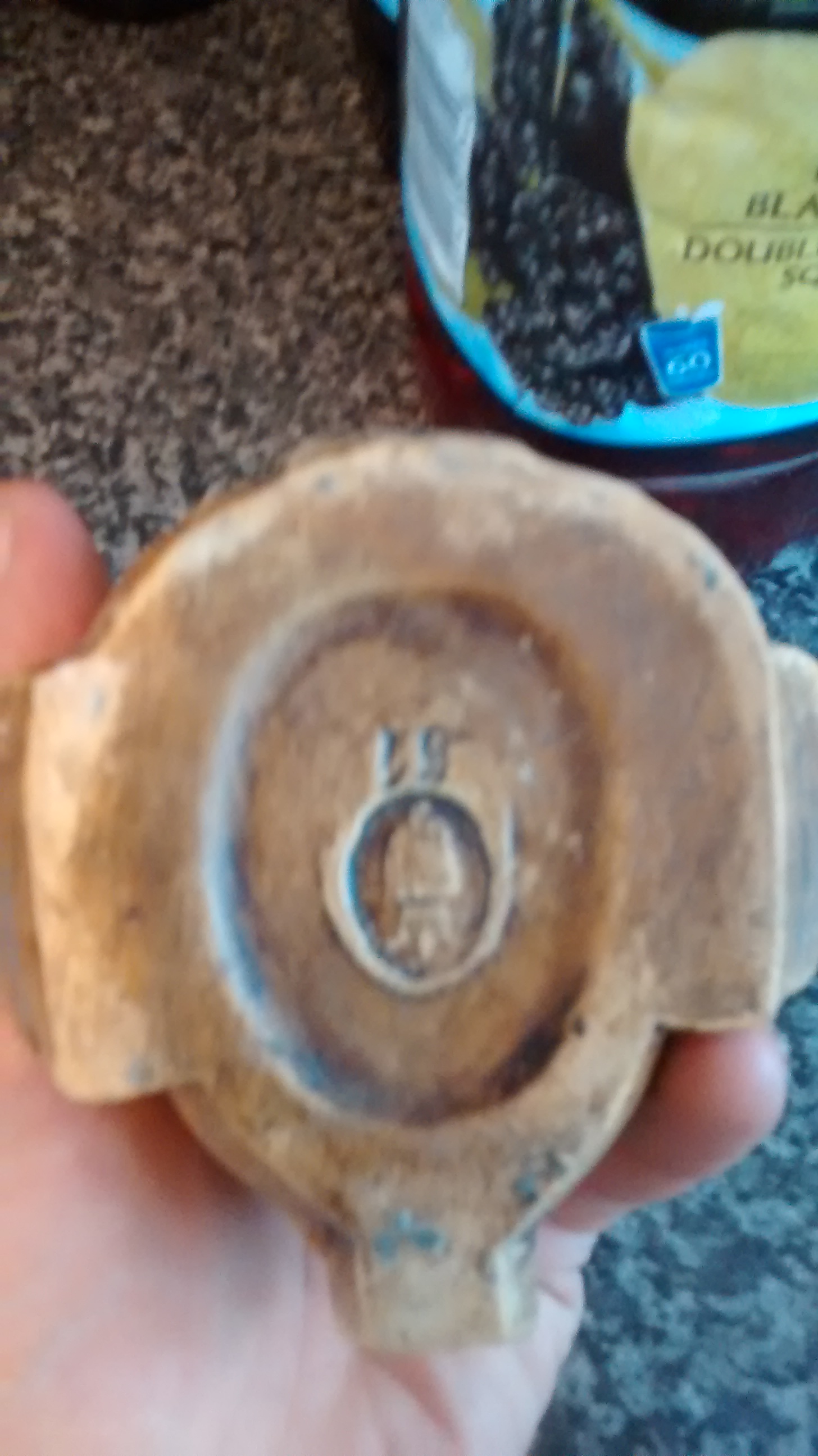
The bad news: Memories in your family are probably a little foggy, as this piece is almost certainly not older than 130 years old, and is probably only 90 years old. The mark on the back is held upside down and the quality of the photo is very grainy, but I'm very certain that its probably the hallmark of the Wahliss porcelain factory.
The good news: Wahliss made very fine porcelain and earthenware, and their pieces are considered fairly desirable.
The ugly news: This piece is so unique that I have no idea on how to price it. It was likely made in the 1920s after Howard Carter's discovery of Tut's tomb in 1922 sparked a craze for all things Ancient Egypt.