
Photos Submitted for Appraisal
Click any image to enlarge
AI Appraisal
Collectors with this item
Want to appraise yours? Upload photos for a free appraisal →
Description
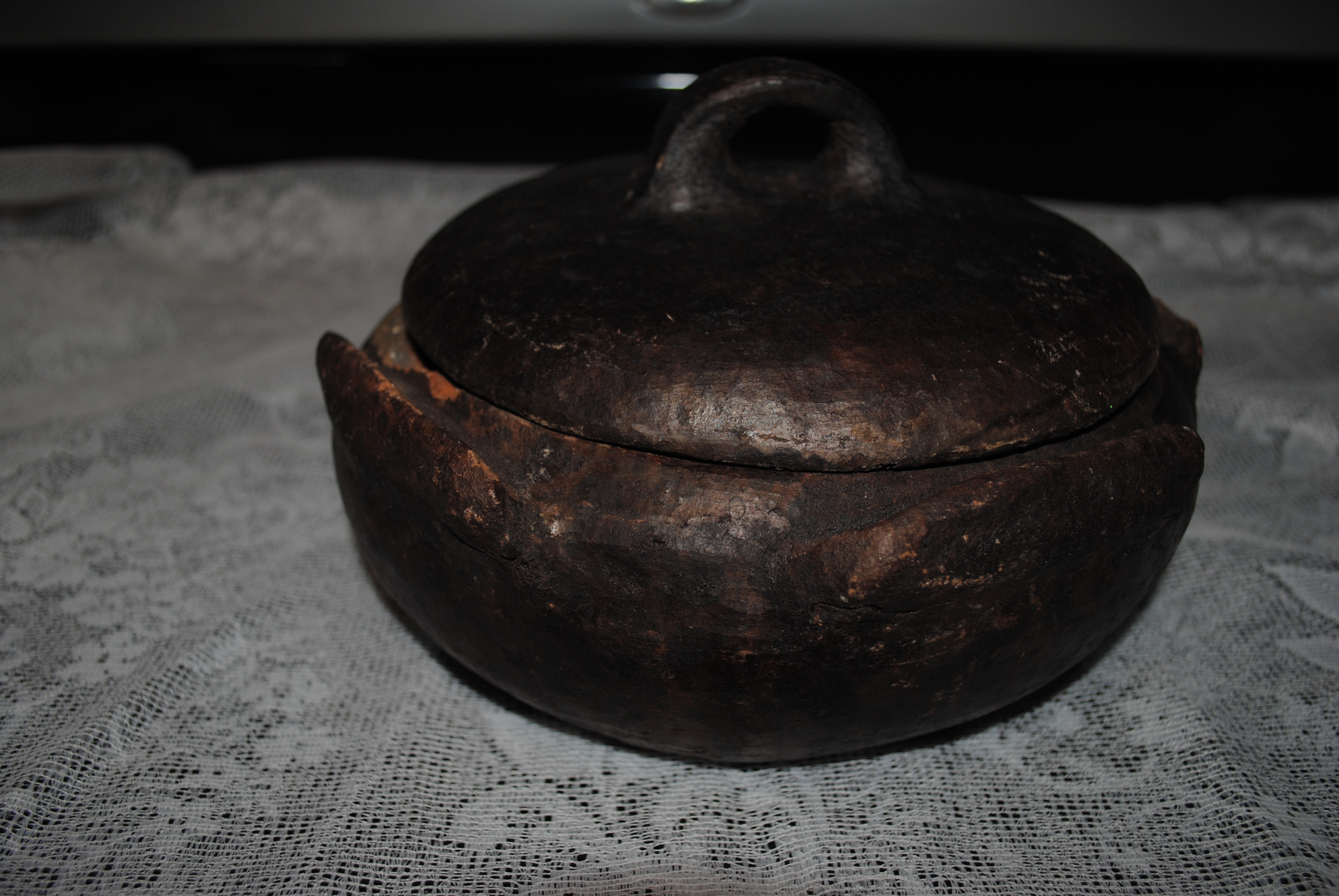
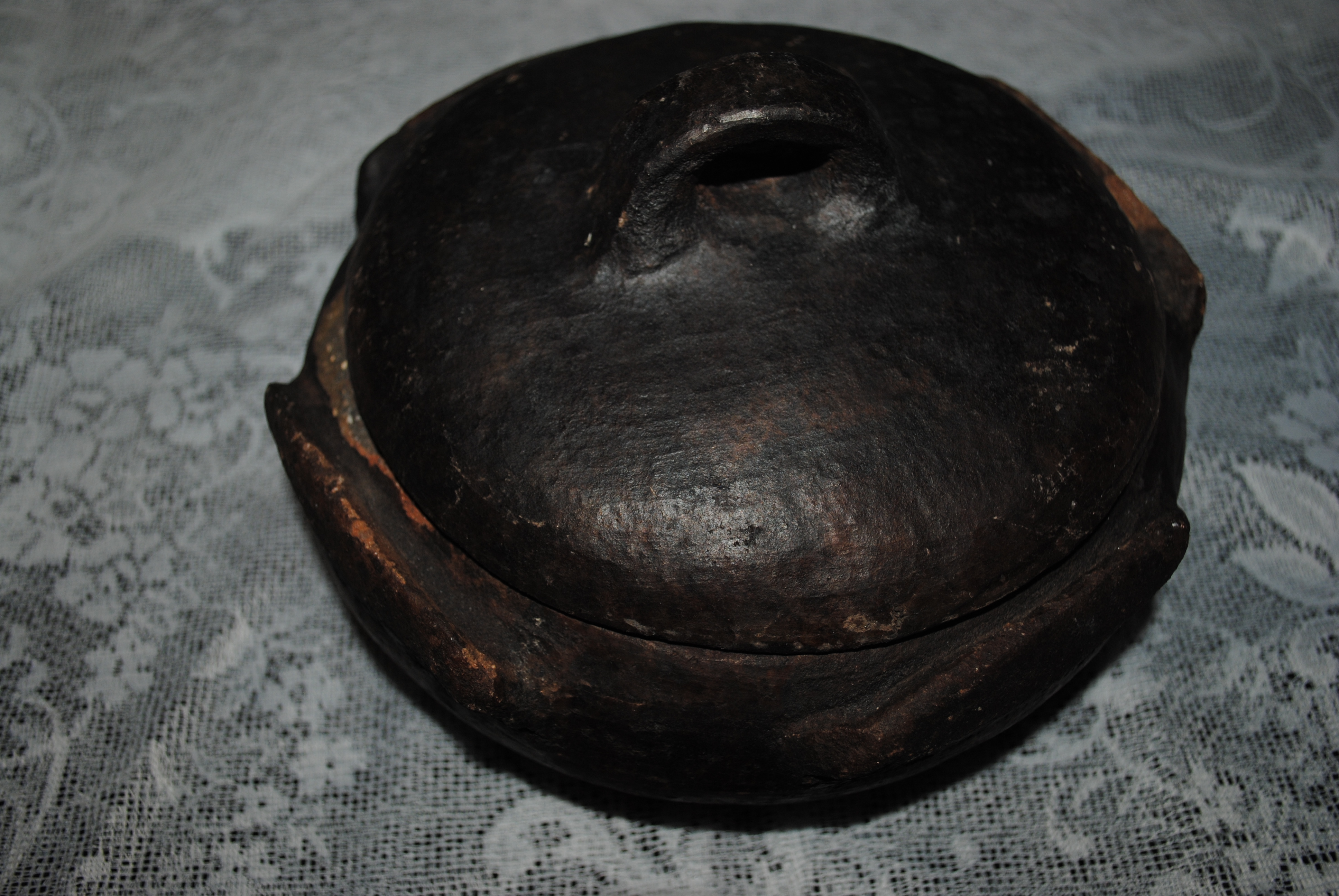
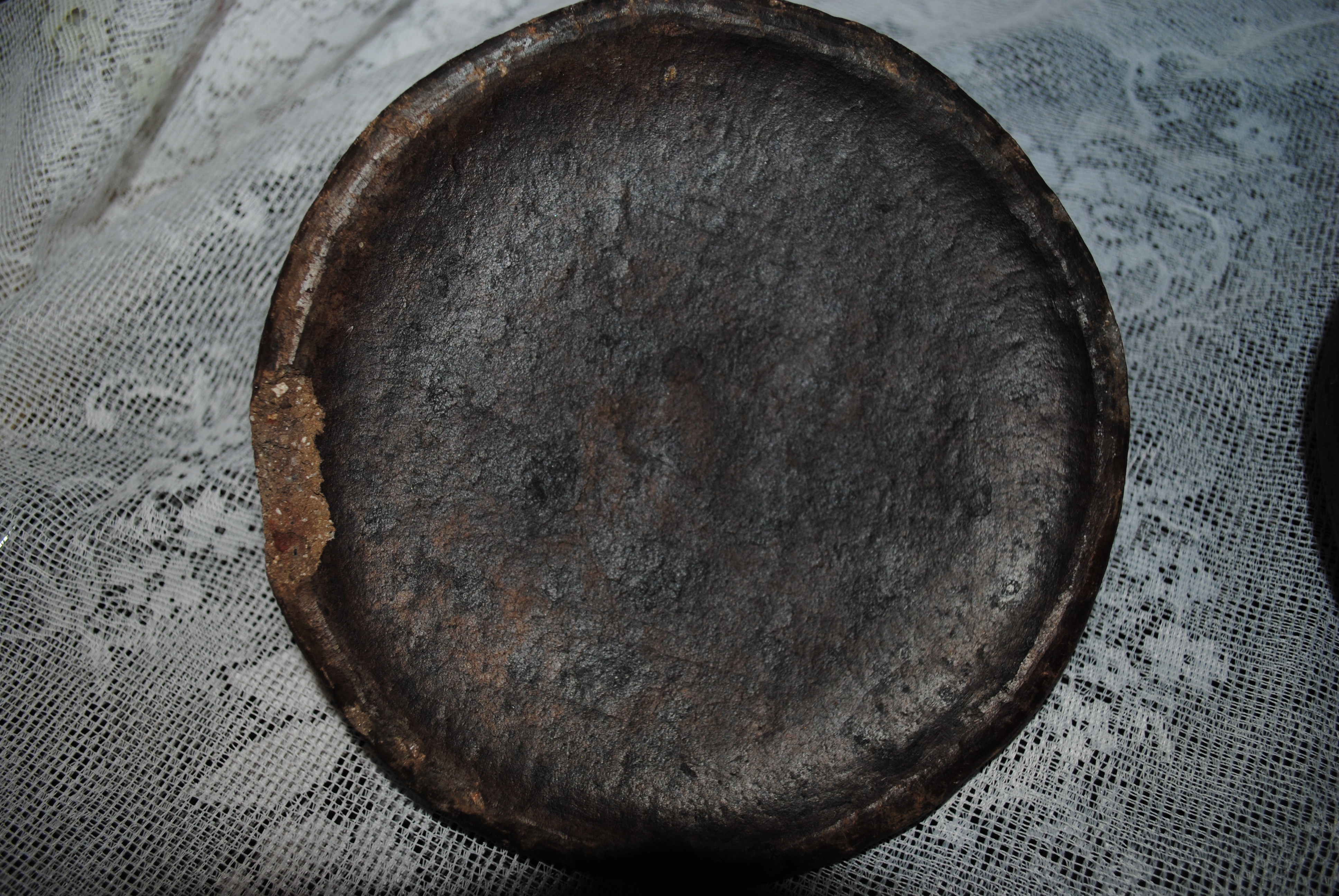
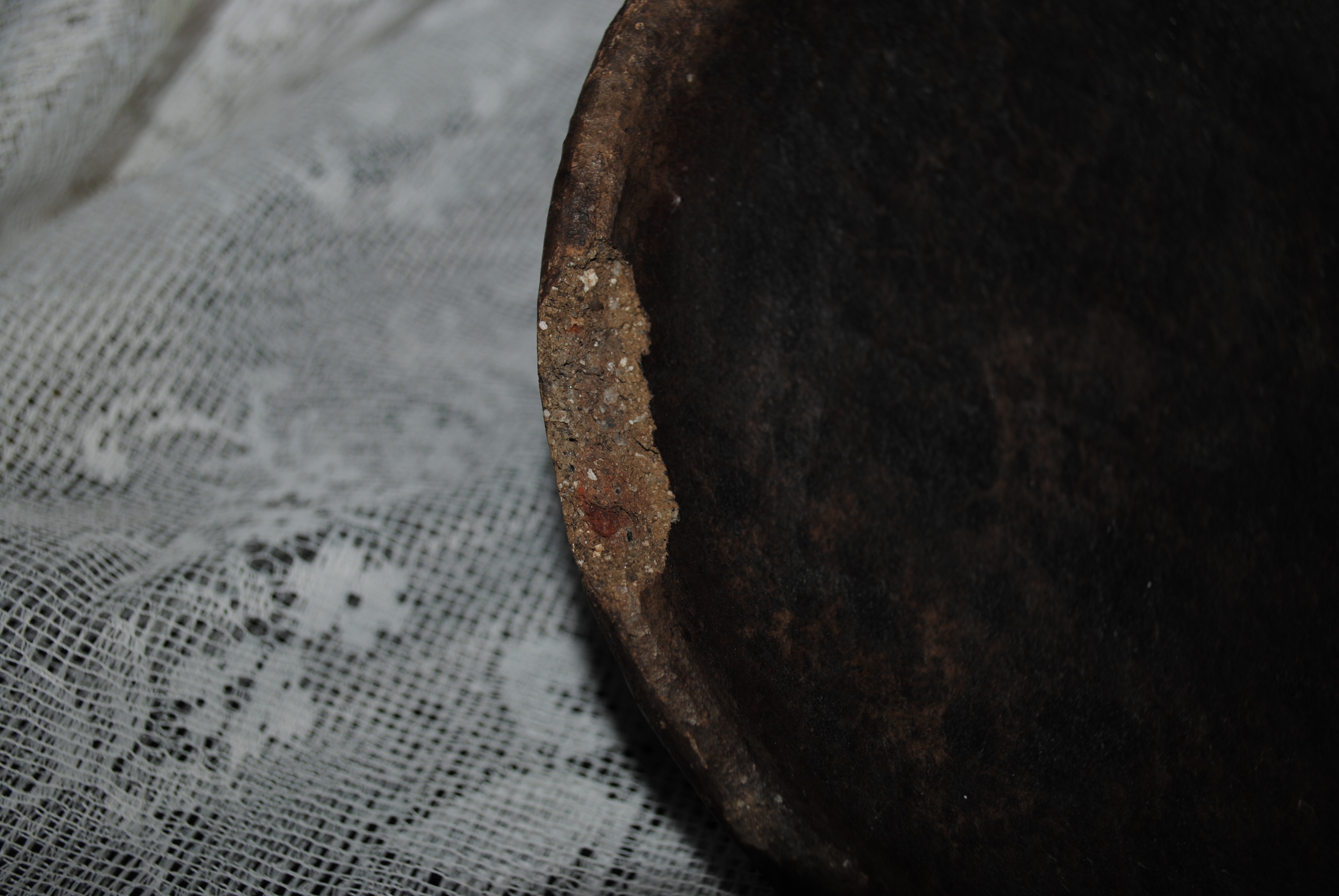
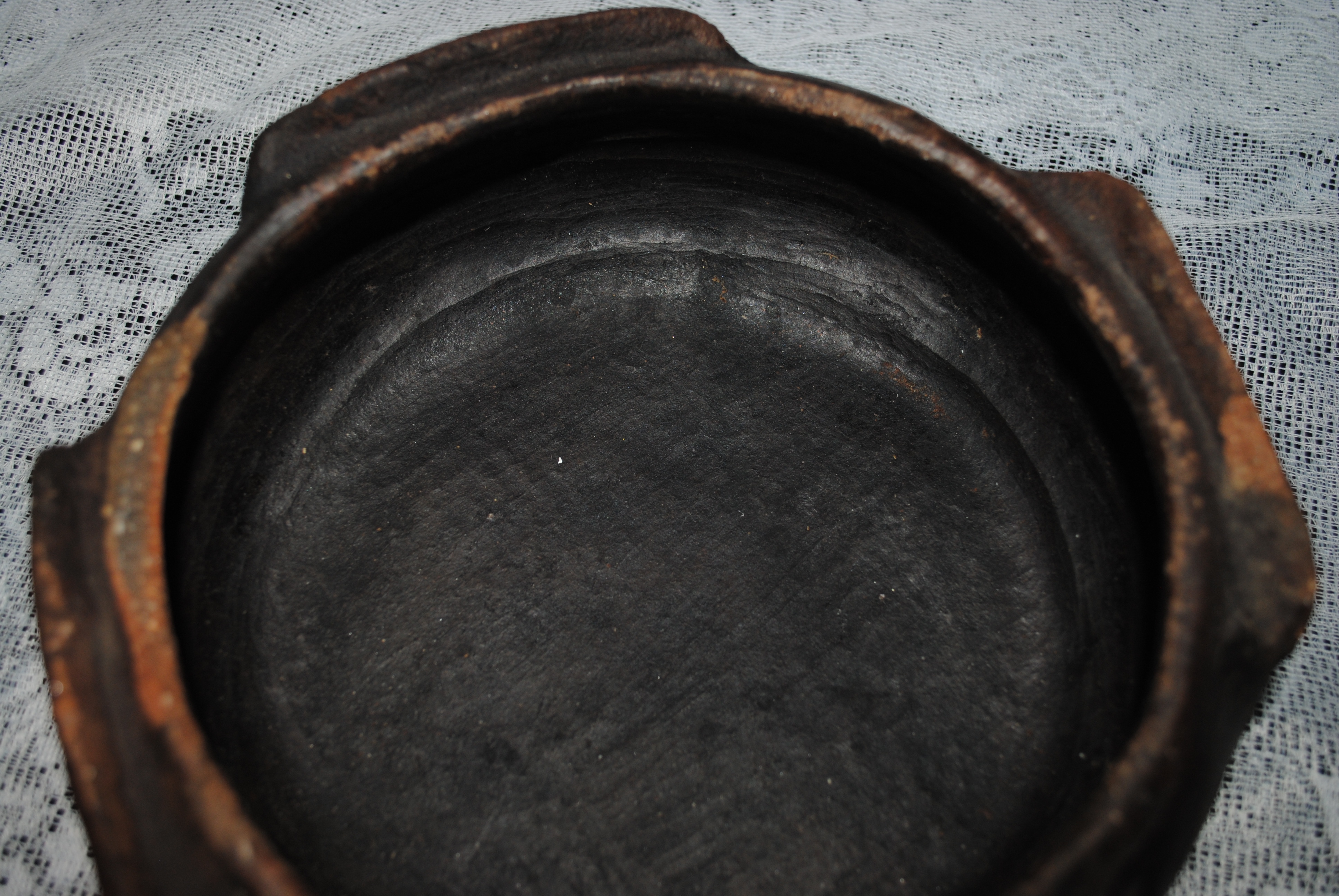
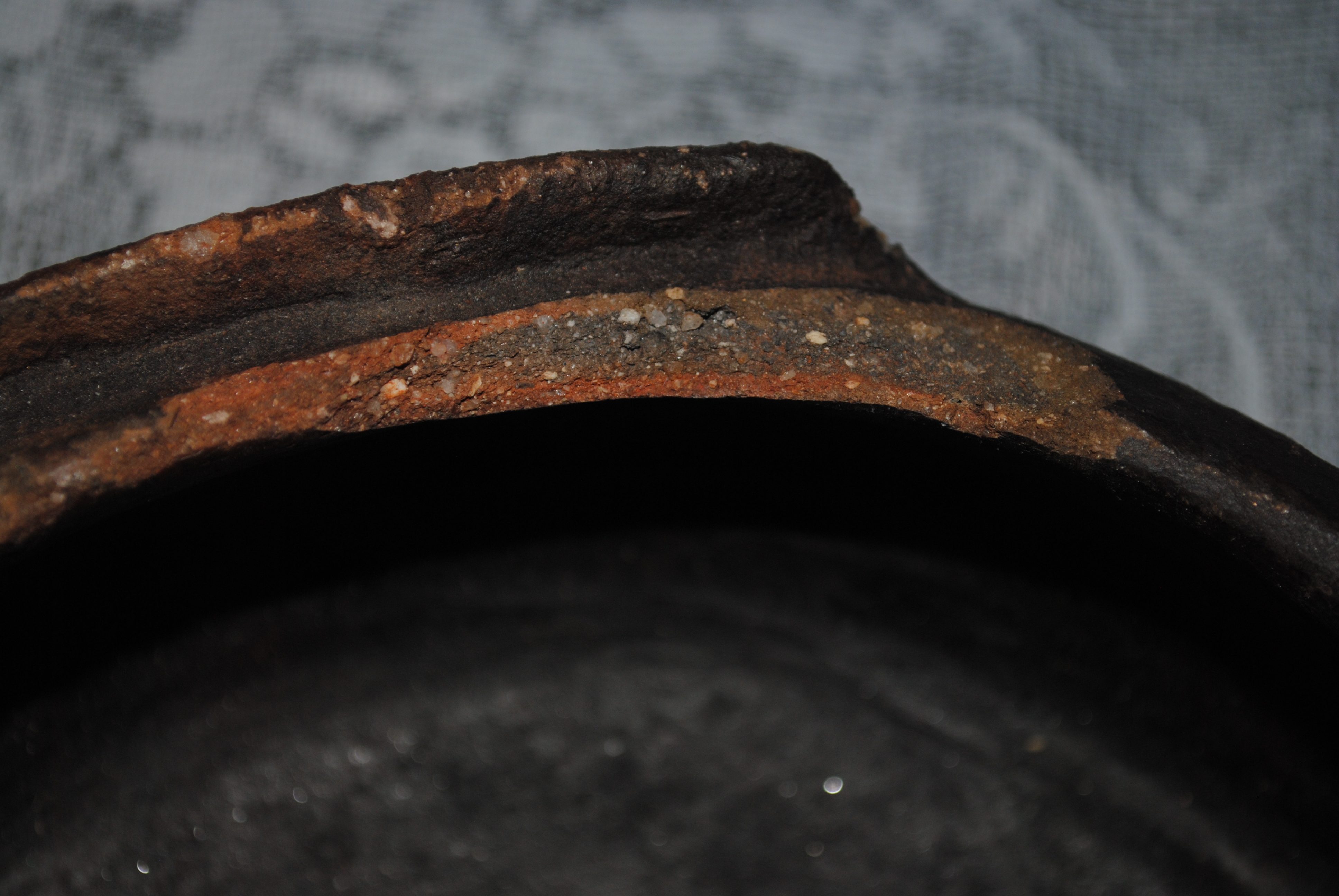
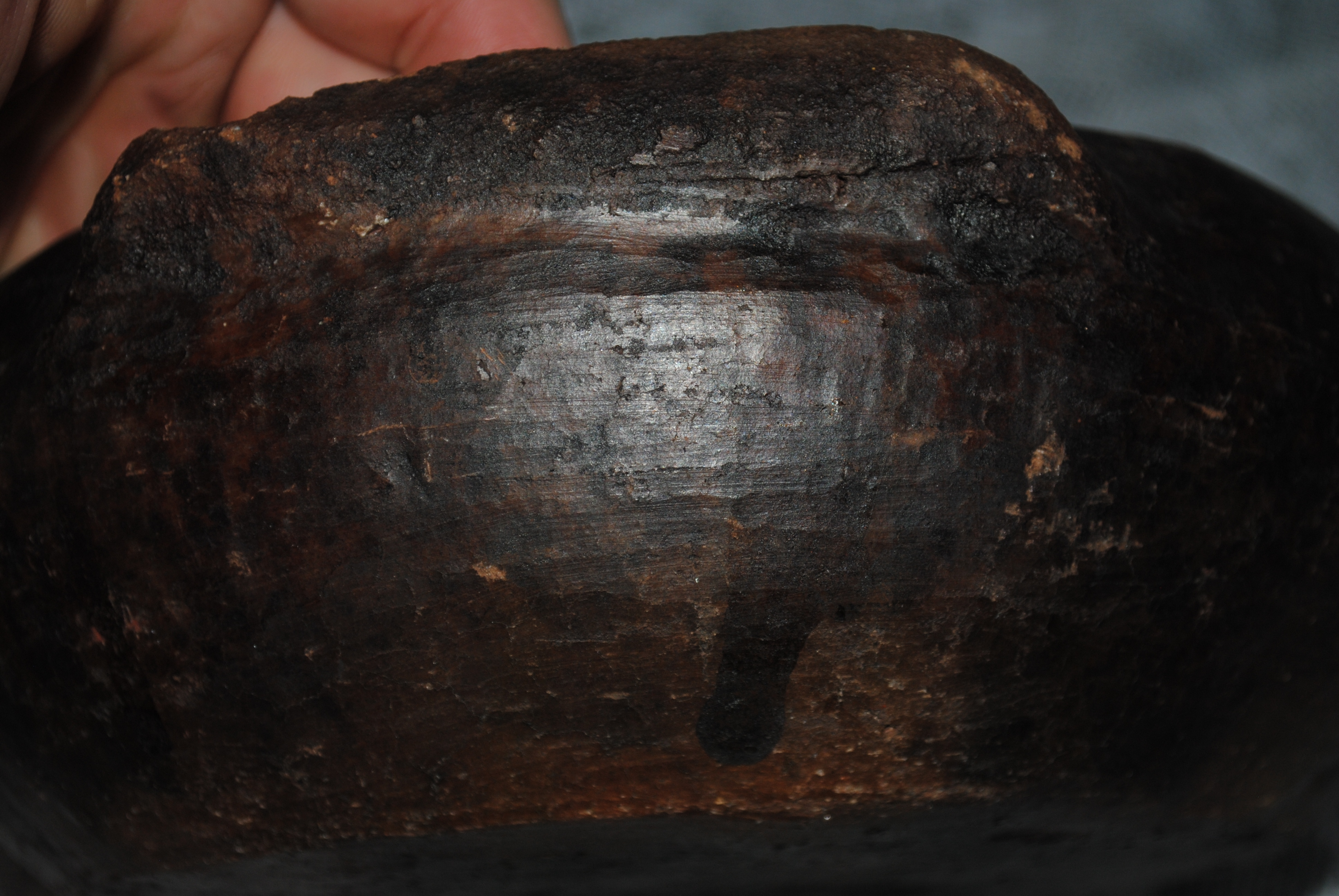
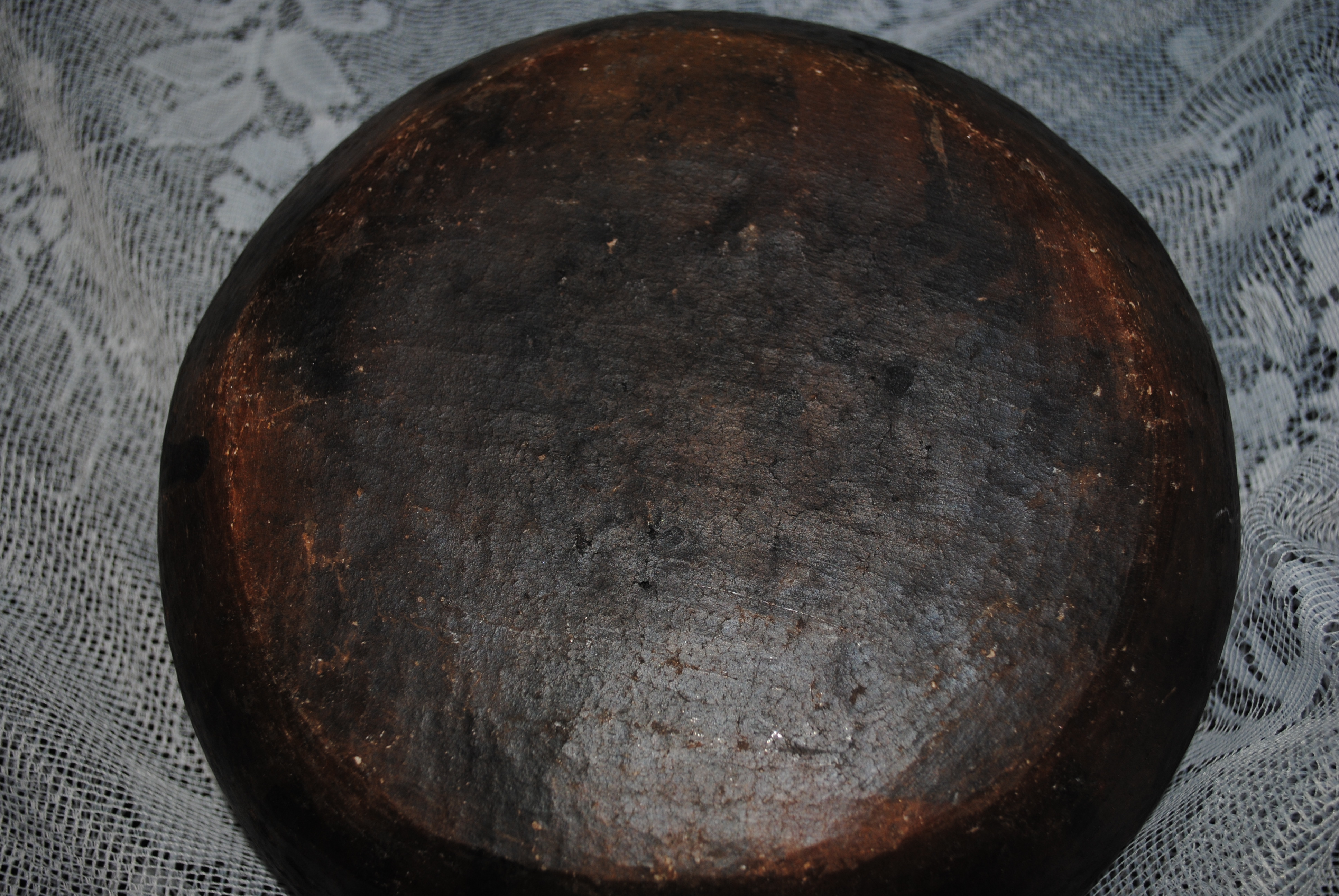
I don't know what to say about the item but that it seems dense and heavy. It is quite dark in color and where its chipped you can see what appears to be streaks of oxidized iron perhaps. Has a strong clay smell.
Category
Pottery
Size and dimensions of this item
8" x 6"
Weight
4 lbs. 6 oz.
⚠️ You have 1 free appraisal left today
Upgrade for 15-30/day →
Want more from your appraisals?
View Plans →
Upgrade for PDF reports, more daily appraisals, and ad-free experience.
Collector Discussion
Do you recognize this piece? Collectors often identify maker marks, share comparable sales, or suggest additional research steps.
Re: Primitive Stoneware Pot
BRAZIL - Clay Pot (Panela de Barro)
When proto-Brazilians first learned that many foodstuffs were improved, or even simply made edible, by the application of heat, they basically used two ways to apply that heat. In the rain forests of the Amazon basin and the coastal mountains, on the savannahs of western and central Brazil and on the beaches of the the country's immense coastline, Amerindians cooked their food either by direct exposure to fire (grilling, basically) or by indirect exposure. Indirect exposure involved placing the food in some sort of fired clay container and heating the food in liquid inside the pot or pan. Even the most primitive tribes of Amerindians seem to have known the technique of firing clay to make ceramic products and to have learned that once fired, ceramics can be exposed to high levels of heat without damage. Metals were unknown to these tribes, and wood was unsuitable in the presence of fire, so without clay pots they would only have been able to grill food.
not sure what the worth is, they still use these today. Good Luck