
Photos Submitted for Appraisal
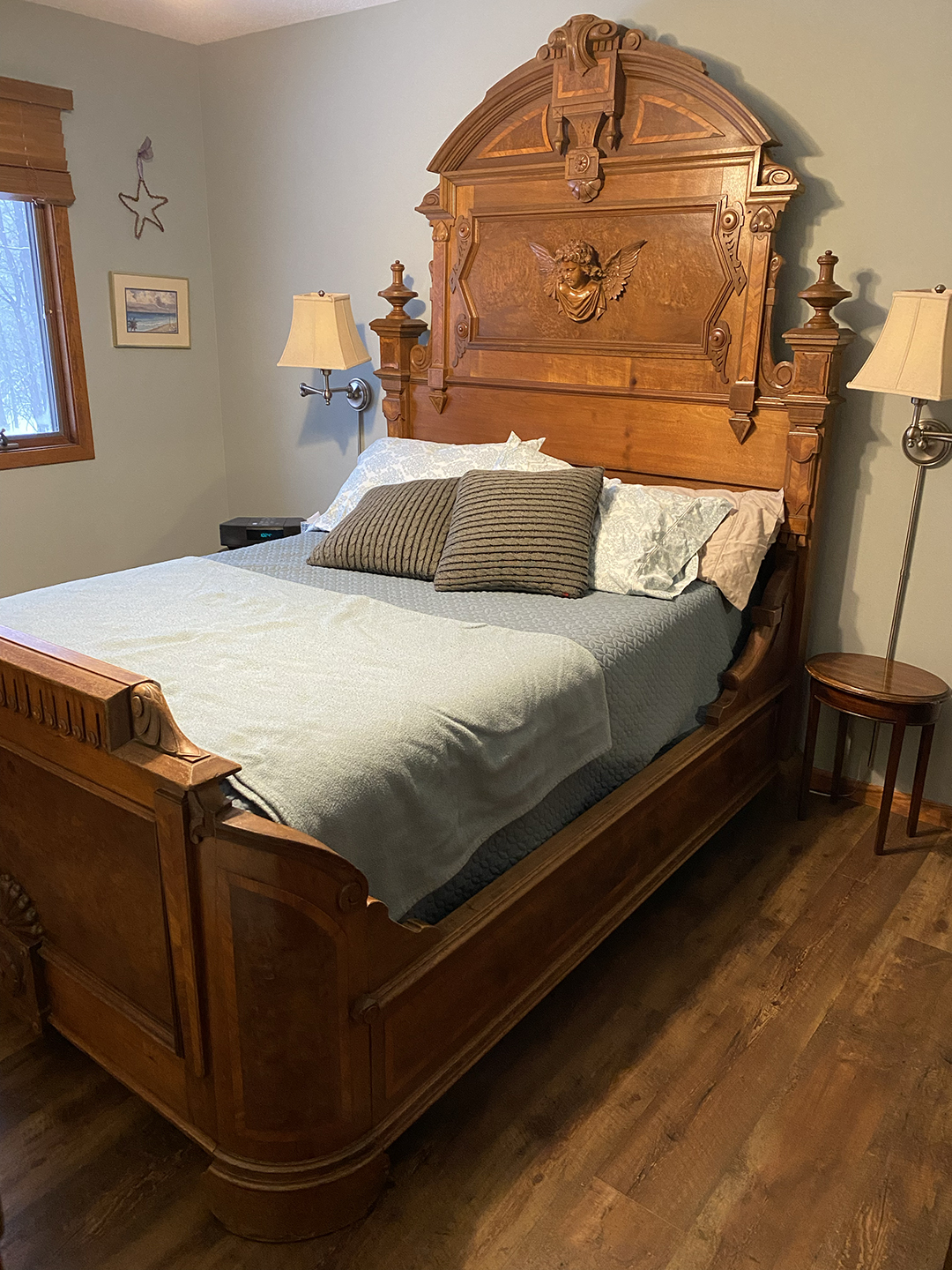
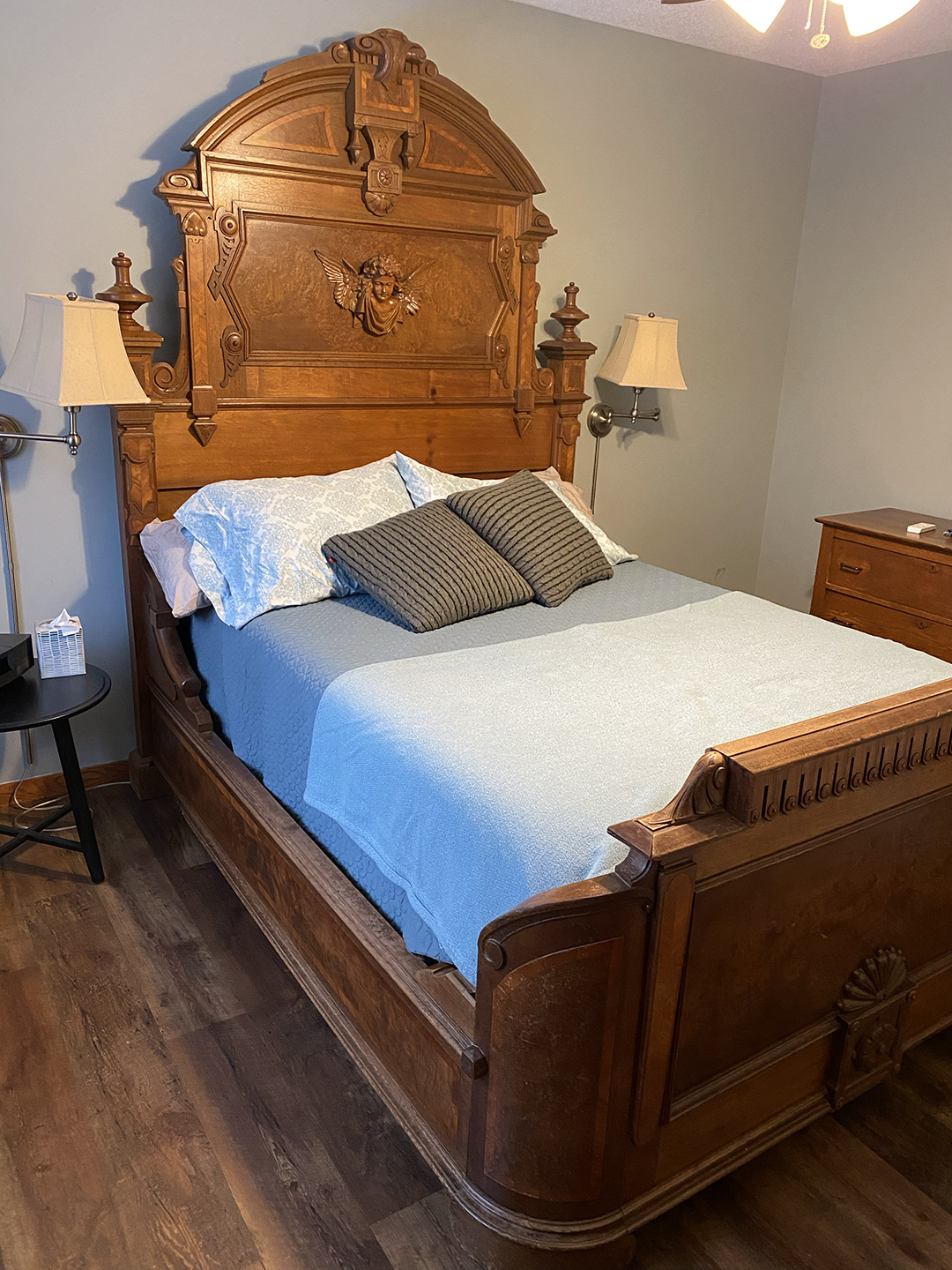
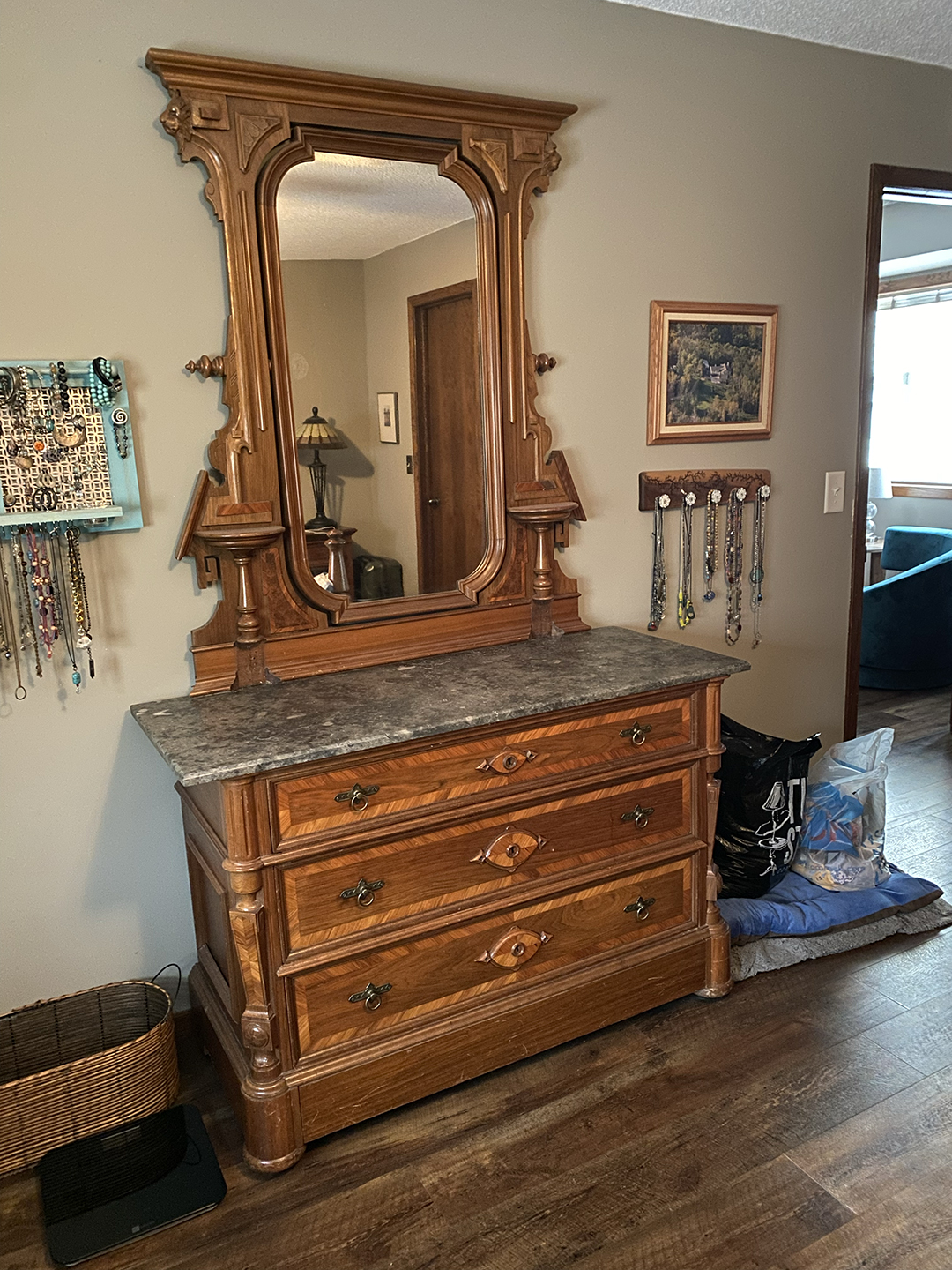
🔍 Click to enlarge and inspect marks, signatures, and condition detailsTap to zoom and inspect details

AI Appraisal
Description
We were told these pieces are from the late 1800s. The bed is a full size. Supposedly they are from Romania
Category
Furniture
Medium
Wood, Dresser has a stone top
Distinguishing marks
Can't find any
Condition
Good
Size and dimensions of this item
Full size bed. 4 drawer dresser. The 4th drawer is hidden
Date Period
late 1800s?
Price Paid (If known)
Pieces included in home purchase
Collectors with this item
Want to appraise yours? Upload photos for a free appraisal →
⚠️ You have 1 free appraisal left today
Upgrade for 15-30/day →
Want more from your appraisals?
View Plans →
Upgrade for PDF reports, more daily appraisals, and ad-free experience.
Collector Discussion
Do you recognize this piece? Collectors often identify maker marks, share comparable sales, or suggest additional research steps.
This set is in the Victorian…
This set is in the Victorian Renaissance Revival style, Circa 1860-80. The Renaissance Revival style is often considered a reaction to the Rococo Revival, even though it was in use as early as 1850. It is characterized by an eclectic use of both Renaissance and 18th-century Neoclassical motifs on straight-lined forms loosely based on 16th-century French models. Porcelain, bronze, or mother-of-pearl plaques were popular embellishments on pieces within scribed, linear classical motifs. The Renaissance Revival styles of the1860s and 1870s marked the first period in which fine designs were used for mass-produced furnishings.
Furniture from the 1870s ranged from works made in shops employing skilled craftsmen to the products of large Midwestern factories. The New York shops, in particular, produced work with elegant detail and elaborate inlays, while the factories, centered primarily in Grand Rapids, manufactured pieces with turned and cut elements that could be produced more readily in volume and at lower cost. Since the Renaissance Revival style was based on rectangular shapes and prominent motifs, it could be successfully interpreted with either type of production.
Walnut was the most popular wood, with some veneer introduced as surface decoration. Light woods were favored in reaction to the prevailing dark woods of the Empire and Rococo Revival styles. Common motifs were flowers, fruit, cartouches, medallions, contoured panels, caryatids, scrolls, classical busts, and animal heads, as well as architectural elements, usually without any structural intent, such as pediments, columns, and balusters. Upholstery was prominently featured on chairs and sofas.
The style last peaked in popularity during the 1980's, demand and values for furniture of this type has fallen steeply since that time. Currently at auction comparable suites to this one are failing to reach minimum reserve bids In the $1500.00- $2000.00 range and being withdrawn from sale.