
Photos Submitted for Appraisal
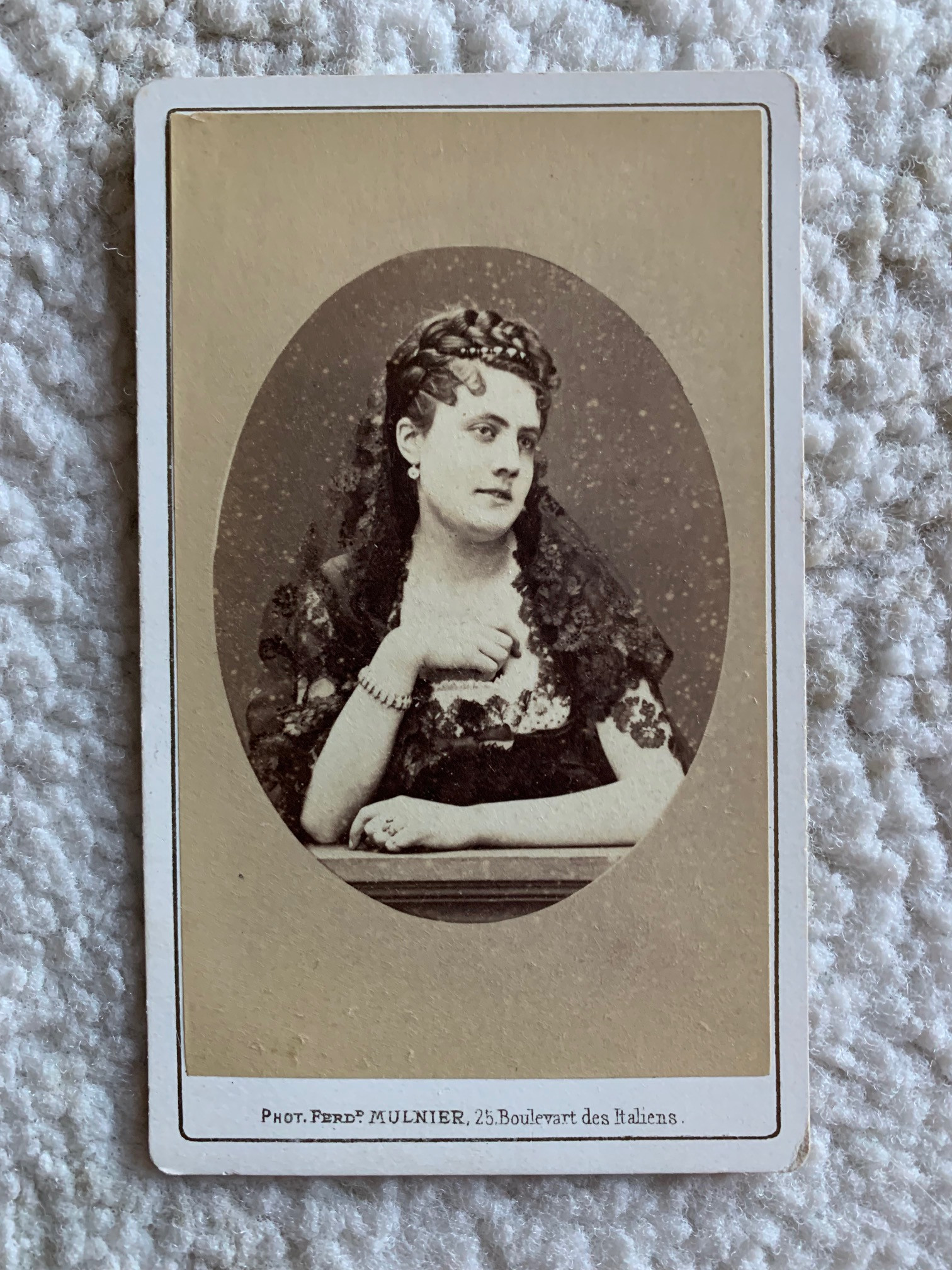
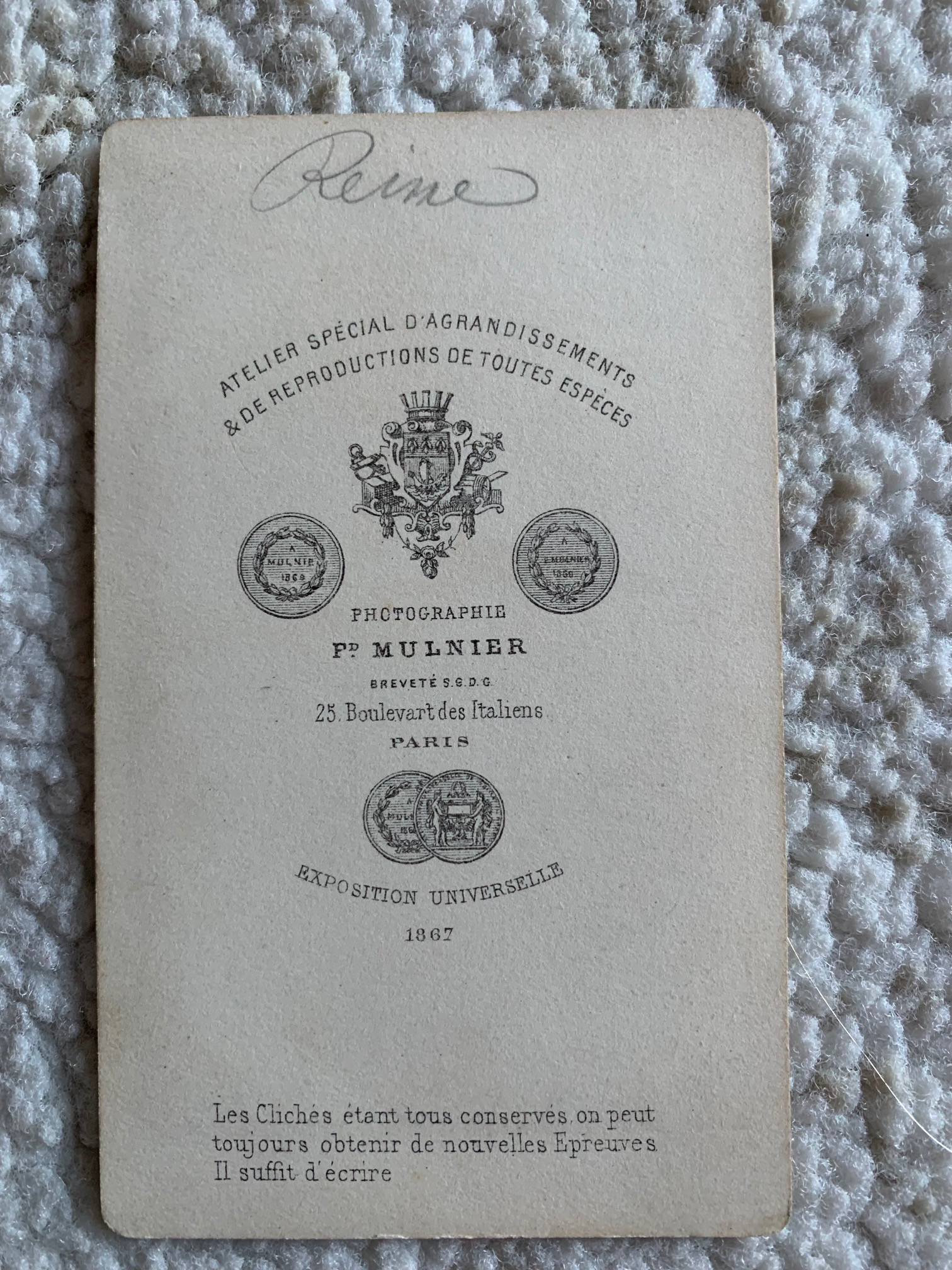
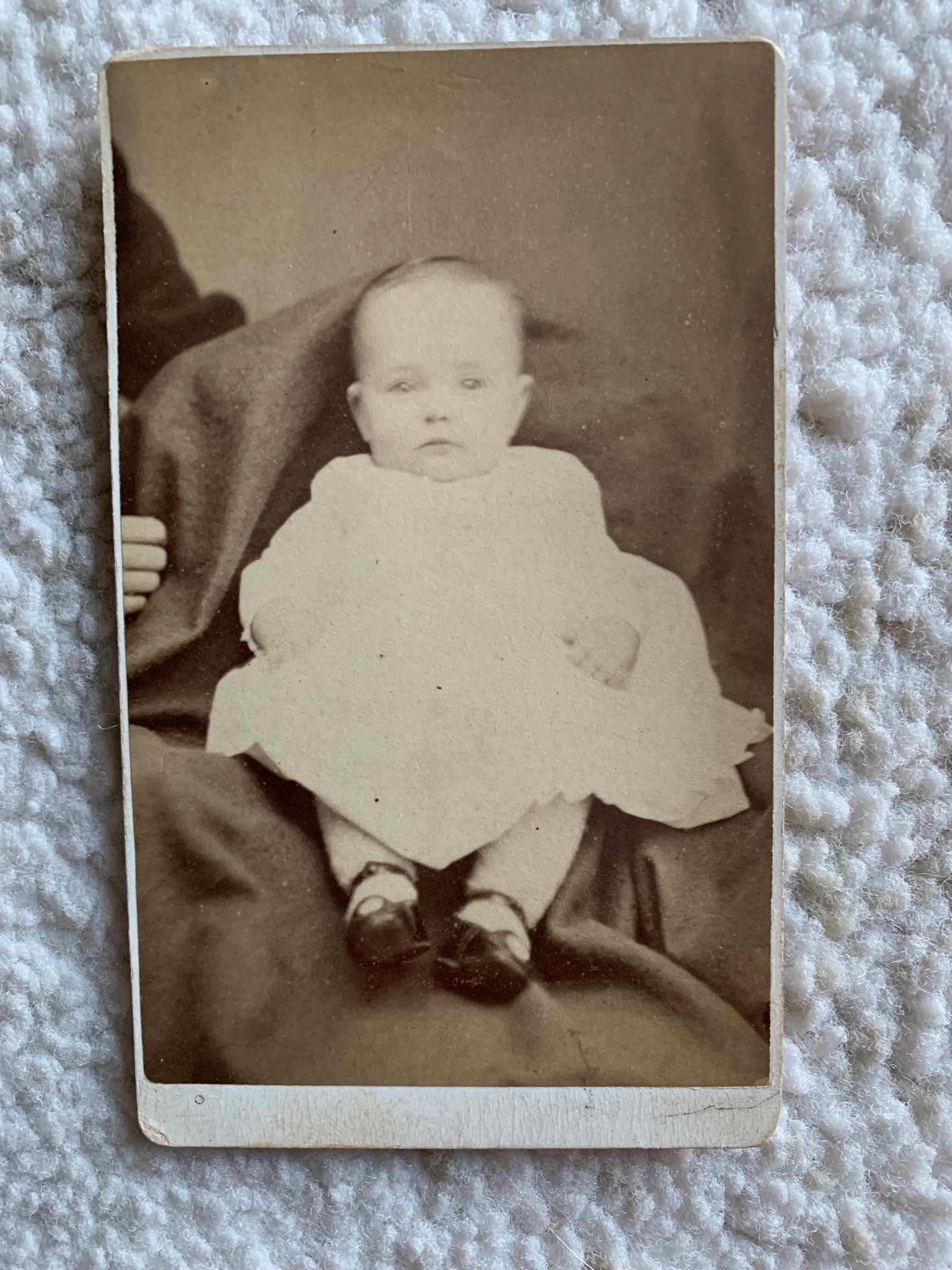
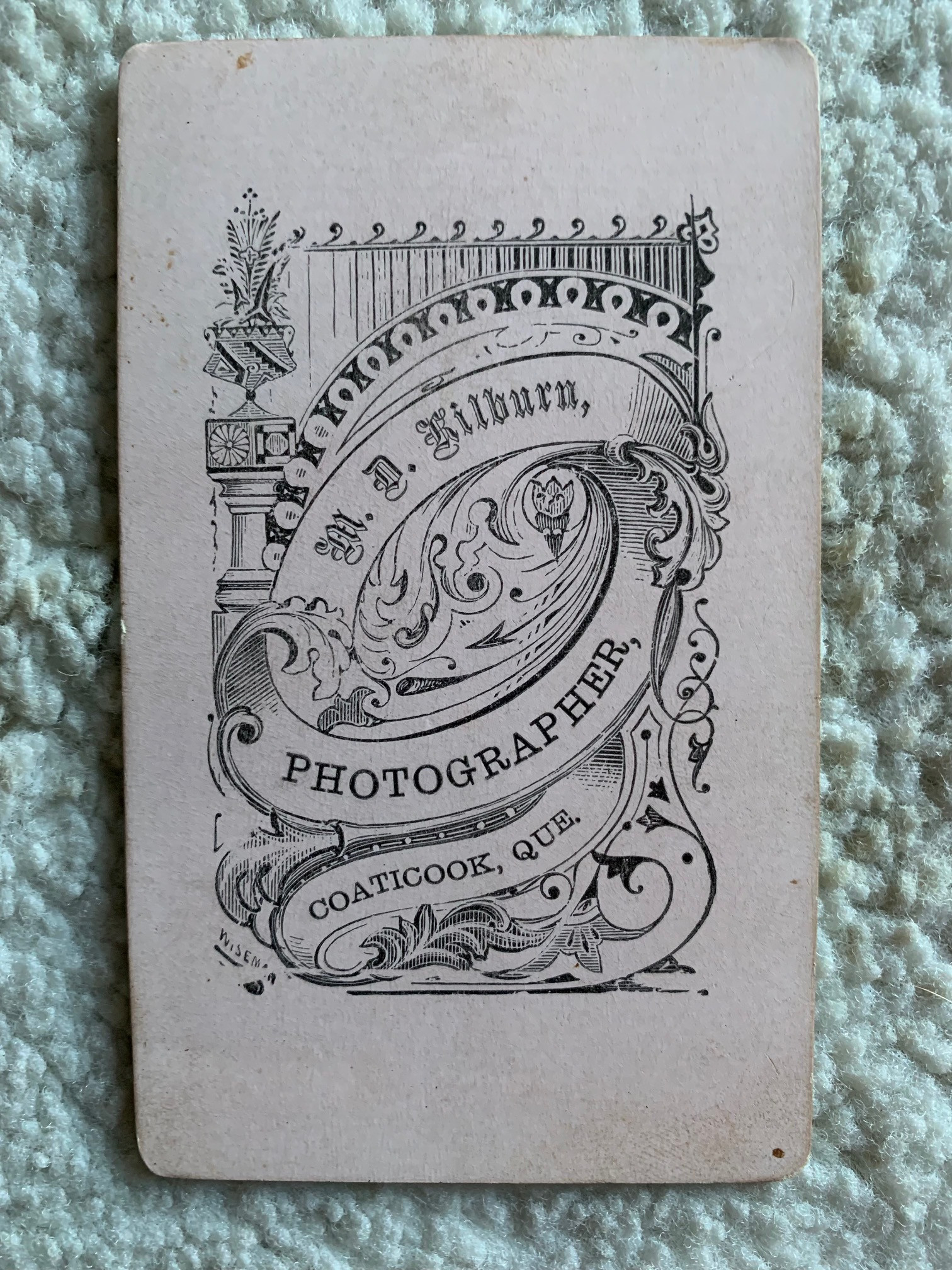
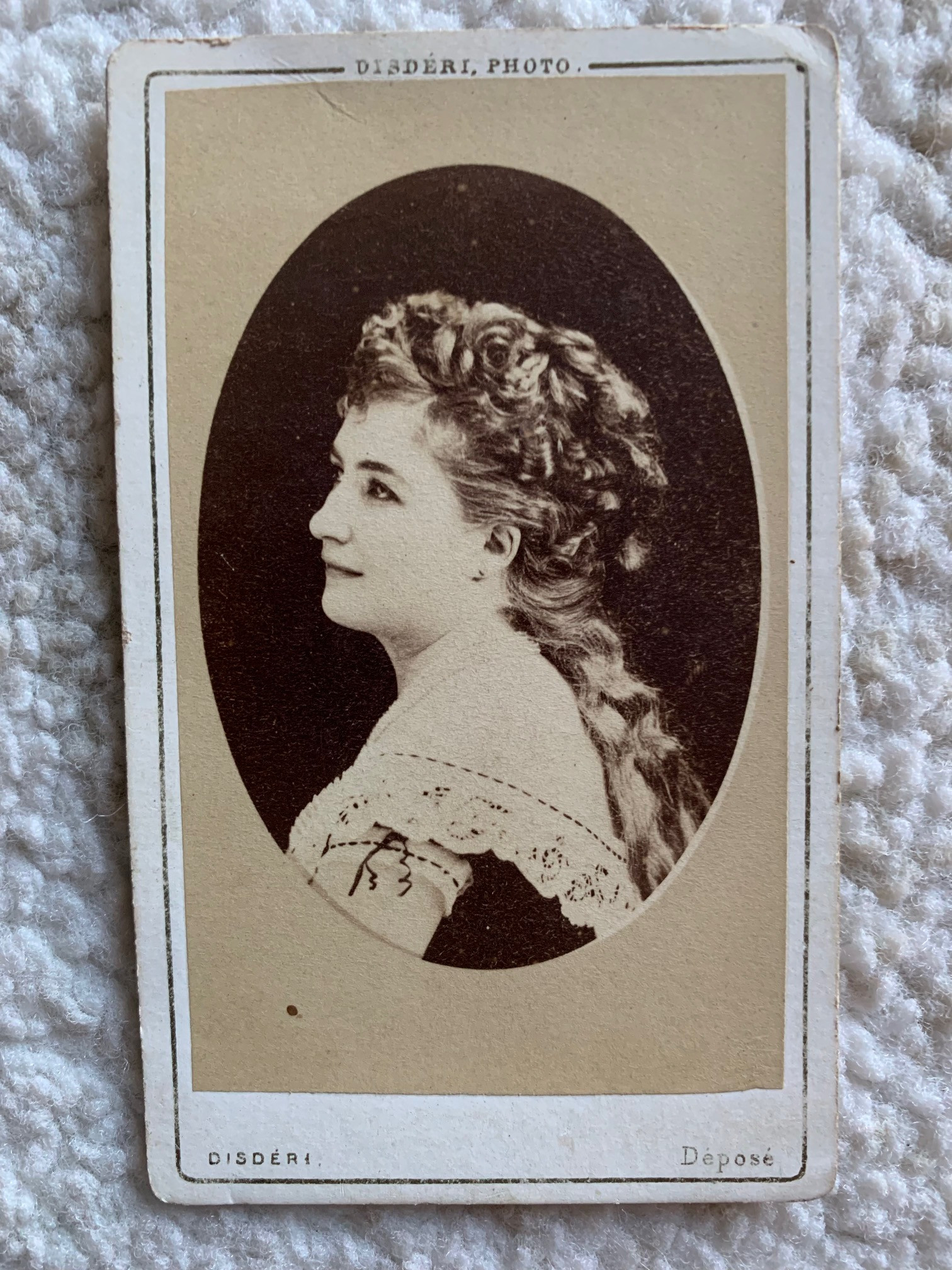
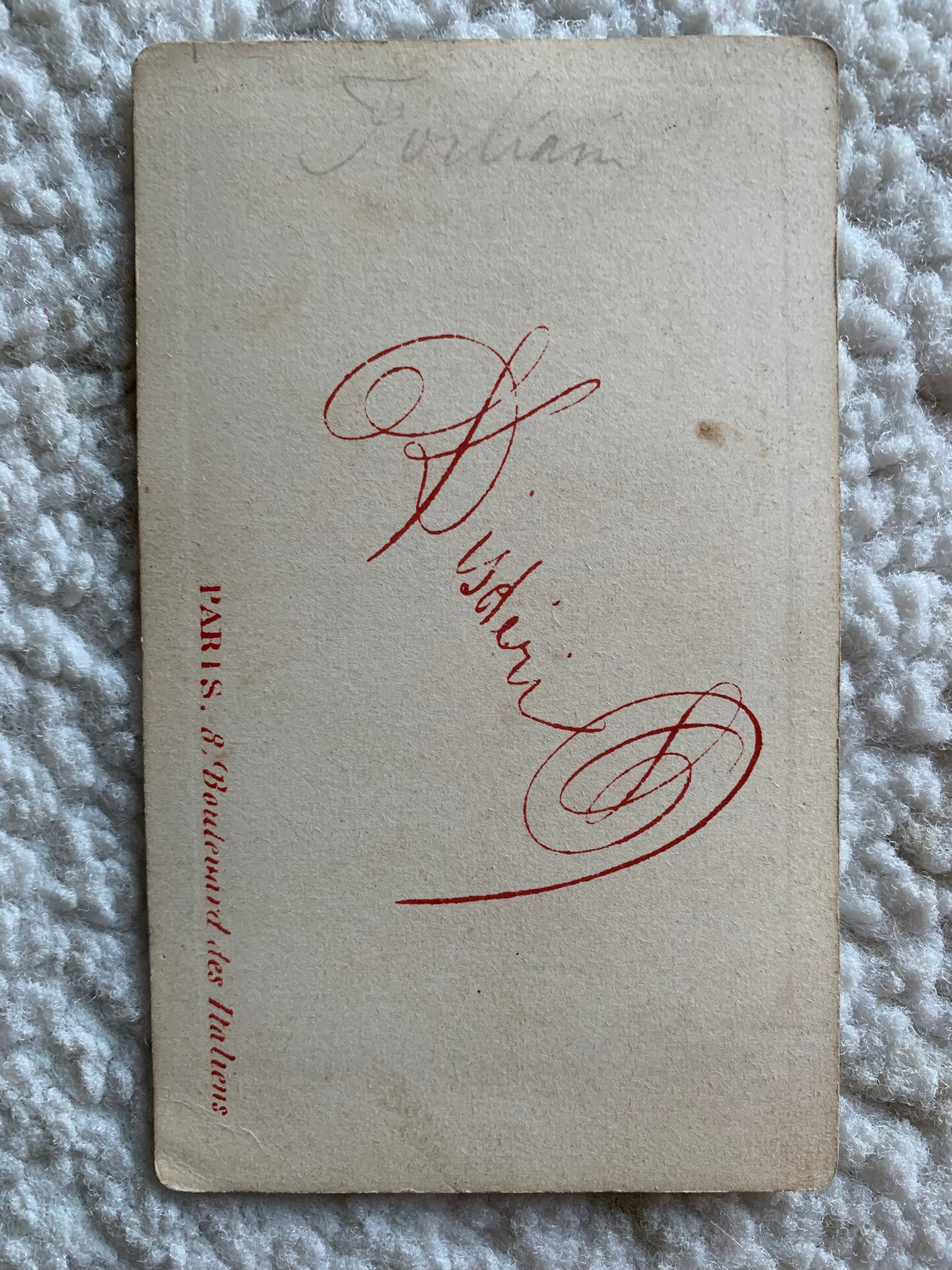
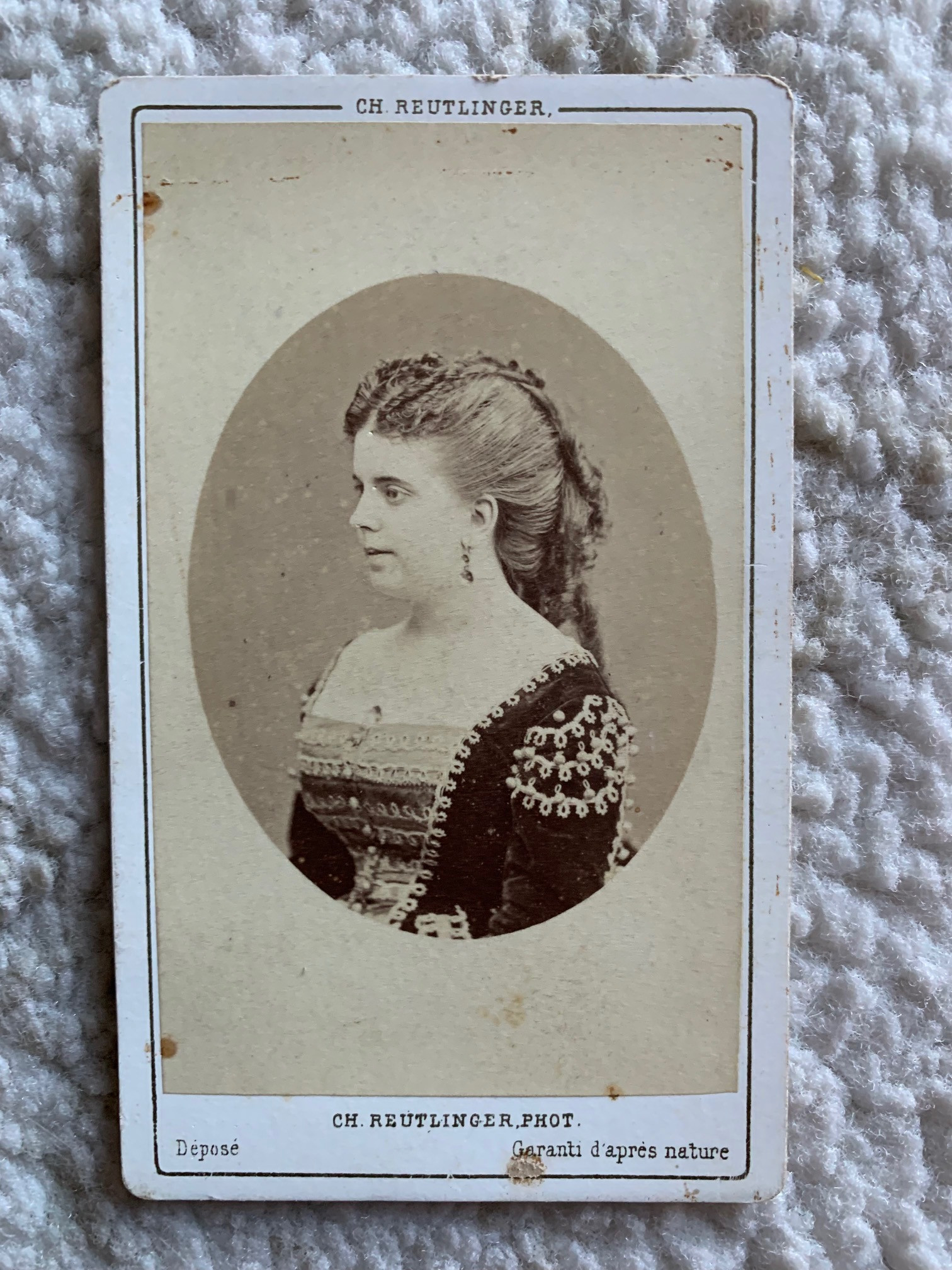
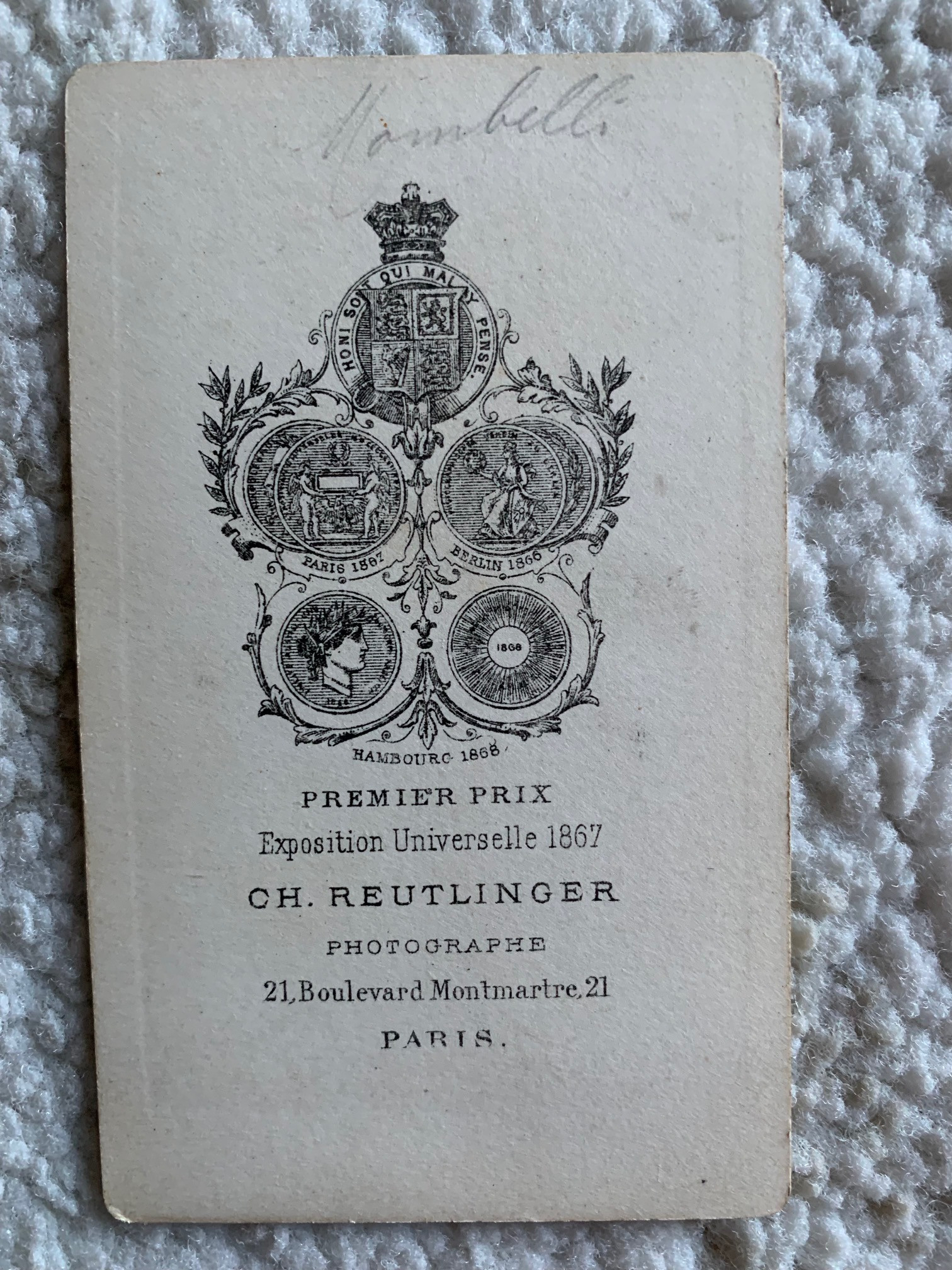
🔍 Click to enlarge and inspect marks, signatures, and condition detailsTap to zoom and inspect details

AI Appraisal
Description
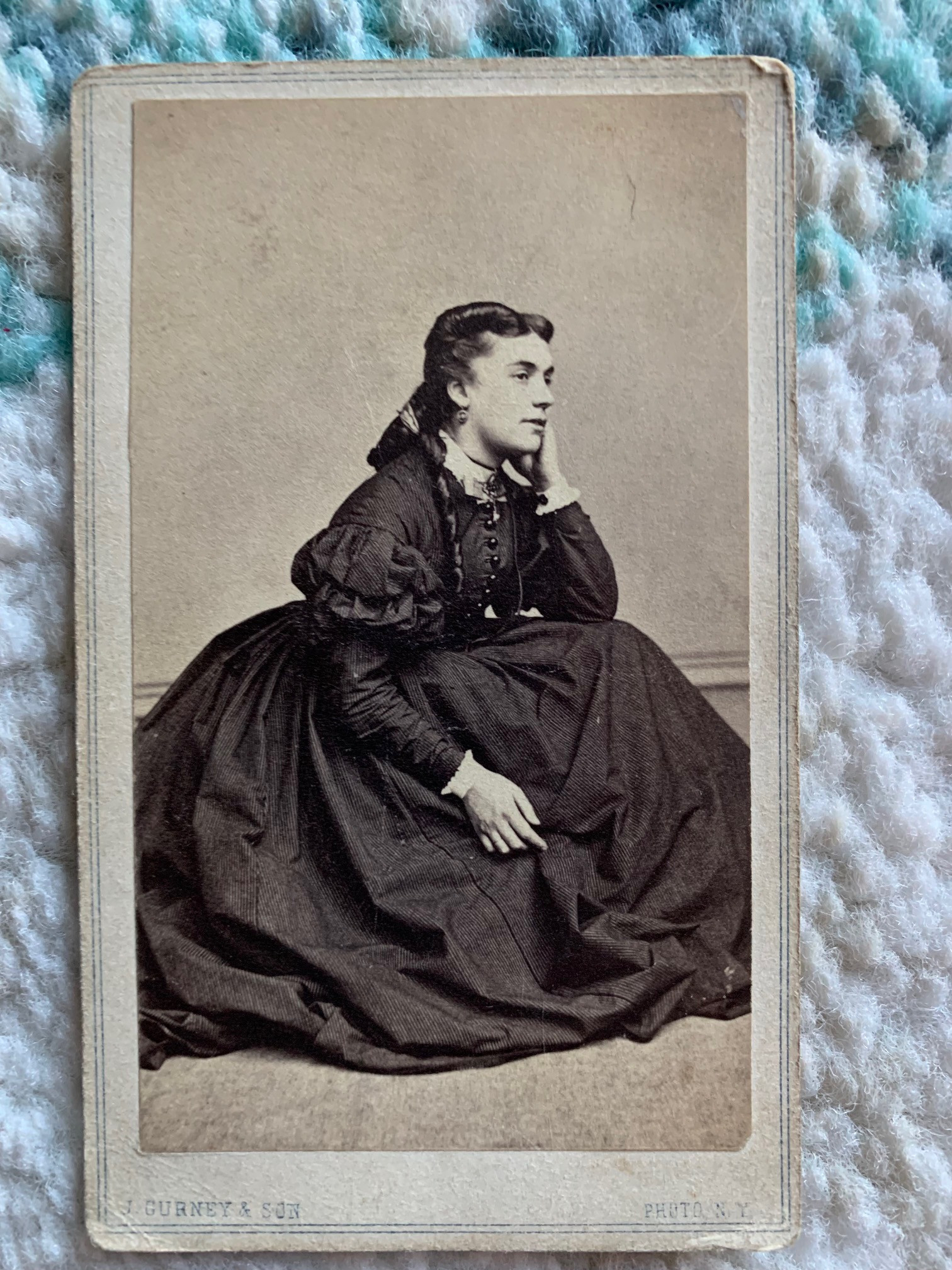
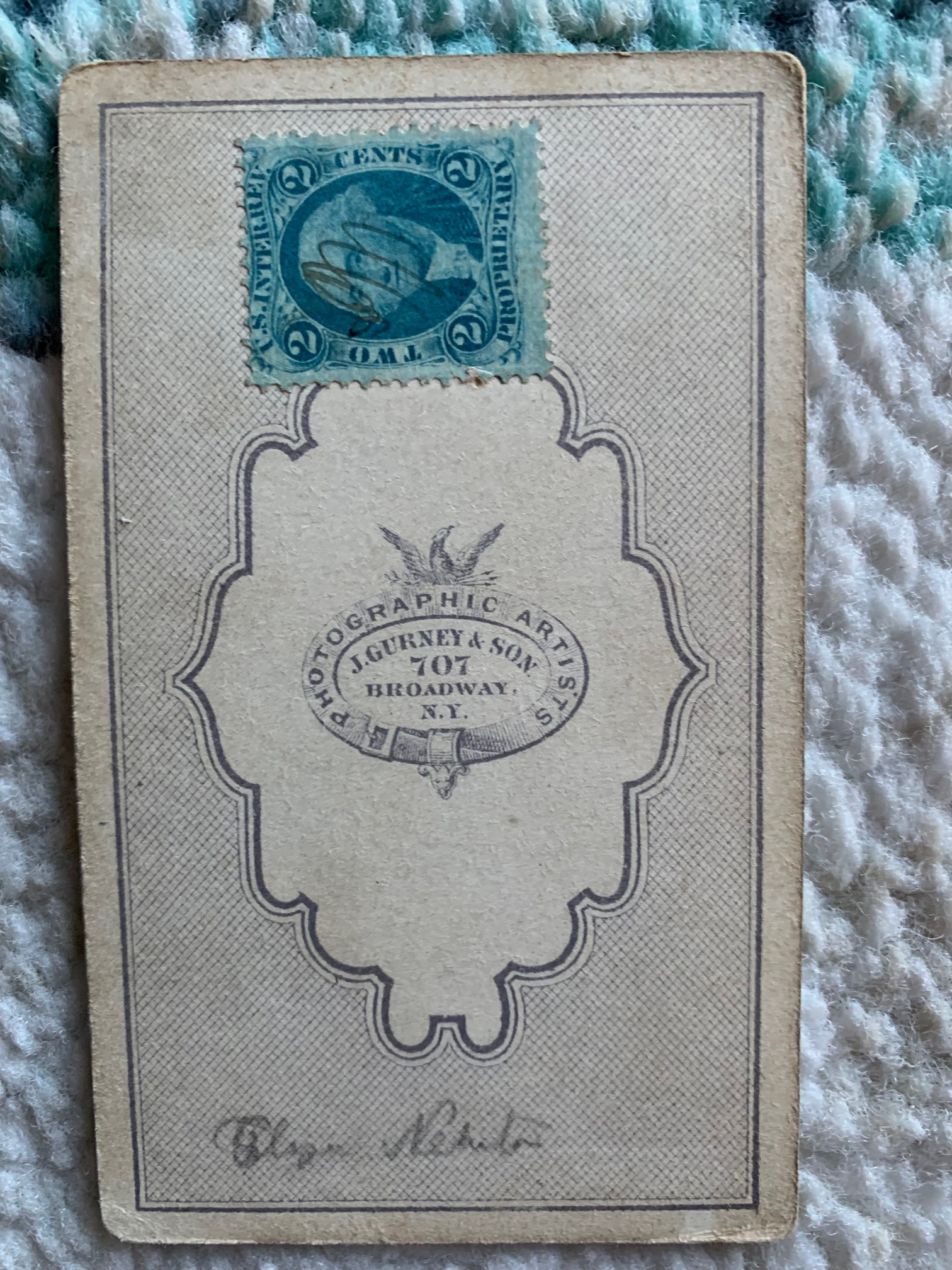
I've learned these are referred to as CDV. I can't imagine which generation of my family these are from. I don't know why they have been kept for so long. I have more than shown here but don't know what I'm supposed to be looking for. Do they have value to someone?
Category
Other
Medium
print, cardstock, possibly photo
Distinguishing marks
various photographers and studios
Condition
Good
Size and dimensions of this item
2 1/2" x 4"
Date Period
mid-1800s
Collectors with this item
Want to appraise yours? Upload photos for a free appraisal →
⚠️ You have 1 free appraisal left today
Upgrade for 15-30/day →
Want more from your appraisals?
View Plans →
Upgrade for PDF reports, more daily appraisals, and ad-free experience.
Collector Discussion
Do you recognize this piece? Collectors often identify maker marks, share comparable sales, or suggest additional research steps.
Carte de Visite (CDV) Collection
Description
Your collection consists of several Carte de Visite (CDV) photographs, a popular medium of portrait photography during the mid-19th century. These small, collectible photo cards measure approximately 2.5" x 4" and were mounted on thick cardstock. CDVs gained widespread popularity due to their portability and affordability, and many were created by notable photography studios of the time.
The collection features:
Historical Context
Carte de Visite photography was introduced in France in the 1850s and quickly spread worldwide. The format's small size allowed for easy sharing and collecting, making it a cultural phenomenon during the Victorian era. Prominent figures, such as royalty and politicians, were frequently photographed in CDV format, fueling demand.
Studios such as Disdéri and Reutlinger helped establish Paris as a hub for photographic innovation. In America, studios like Gurney & Son catered to a growing middle-class market eager to document their lives.
Condition
The photographs appear to be in good vintage condition, with minor signs of wear such as edge discoloration and faint foxing, consistent with their age. The studio marks and back designs remain legible and intact, which adds to their value.
Value and Market Trends
The value of CDVs depends on several factors:
Based on the details provided:
Recommendations
Conclusion
Your CDV collection provides a fascinating glimpse into 19th-century portrait photography and family history. While the majority of CDVs have moderate value, those by renowned studios or featuring notable sitters may hold significant interest to collectors or historians. Proper research and preservation will help you determine their full historical and monetary value. Hope that this information helps.